
Live Beautifully at Home


12 Best Hanging Wall Planters Ideas for a Stylish Indoor Garden
 Rhonda
My Blue Creek Home Founder & Editor
I spent over 12 years in decorative painting and faux finishing, starting with a faux finishing company I co-owned in Mississippi that...
October 12, 2026
10 min read
Leave a comment
Rhonda
Rhonda
My Blue Creek Home Founder & Editor
I spent over 12 years in decorative painting and faux finishing, starting with a faux finishing company I co-owned in Mississippi that...
October 12, 2026
10 min read
Leave a comment
Image Notice. Some images featured in this article may originate from third-party sources and are used for illustrative purposes only. Please review our Image Credits Policy for full attribution information.
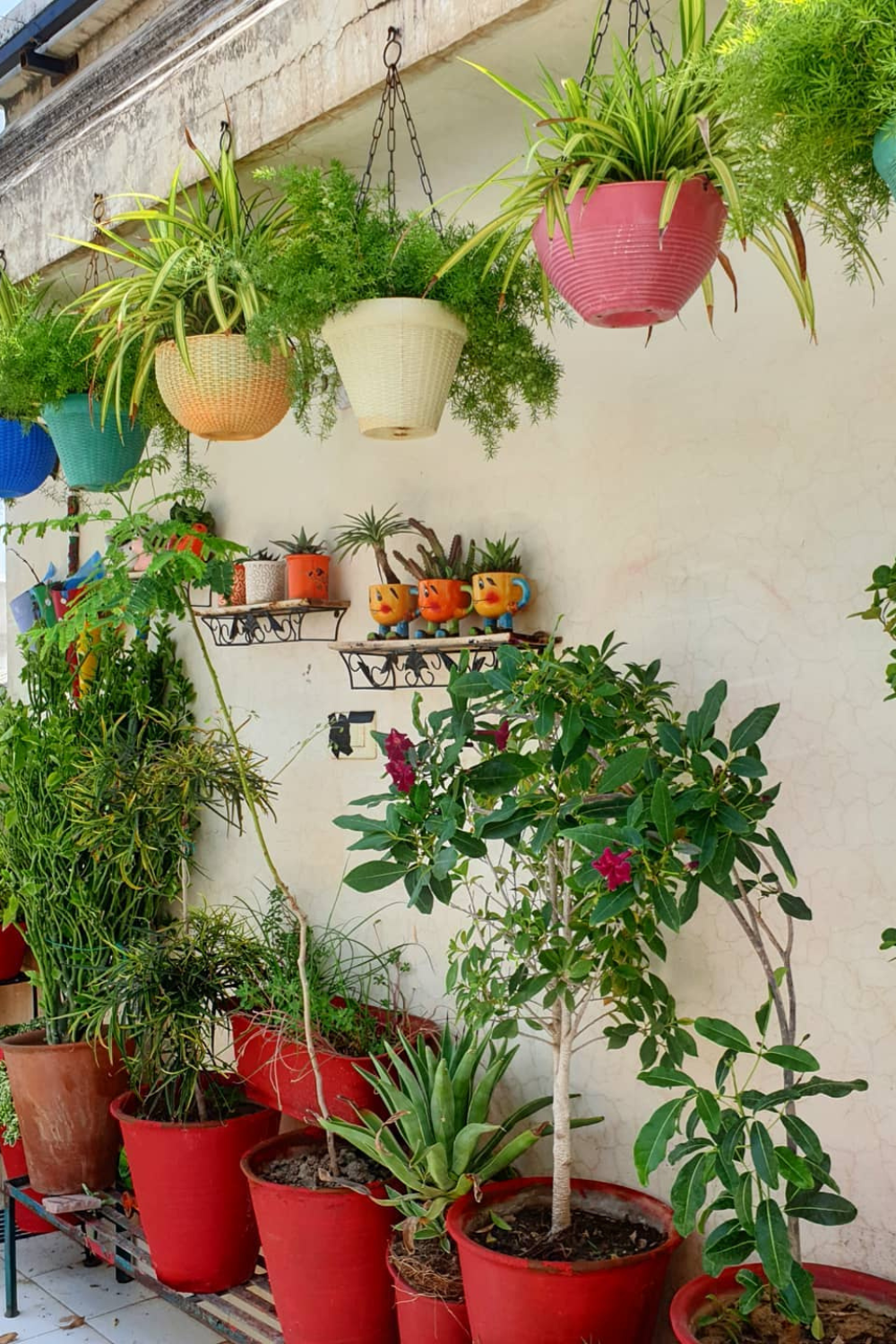
Hanging wall planters make it easier to bring plants into your home without giving up valuable floor space. They add natural color, soften empty walls, and give trailing greenery room to grow. Whether you have a small apartment, a narrow hallway, or a bright living room, wall mounted planters can help your space feel fresh and welcoming.
The best part is that you do not need a large collection of plants or expensive accessories to make this look work. A few well placed pots, a simple hanging basket, or a small arrangement of wall planters can bring new life to an overlooked corner.
Think about the wall you want to decorate before choosing your plants. A spot near a window may suit light loving greenery, while a darker hallway needs plants that can tolerate lower light.
Check the weight limit of your wall hooks and choose suitable anchors for your wall type. Water resistant pots or removable inner containers can also help protect painted walls from moisture.
Hanging Wall Planters in Woven Baskets
Credit: @arlin__s
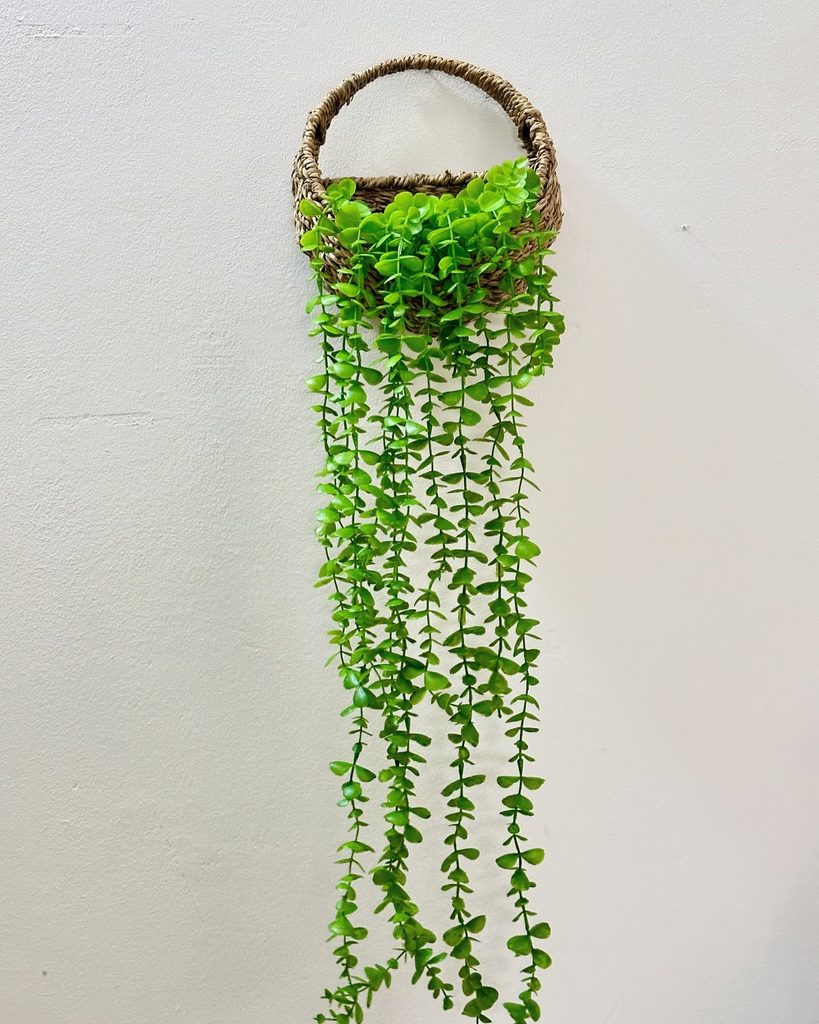
Woven baskets bring warmth and texture to hanging wall planters, making them a lovely choice for homes with natural materials and soft colors. The combination of woven fibers and leafy greenery gives your walls a relaxed, welcoming feel that suits bohemian, farmhouse, and coastal decorating styles.
Choose a basket with a sturdy handle and a shape that supports your plant without making the arrangement feel bulky. You can place a lightweight nursery pot inside the basket to make watering easier and help protect the natural fibers. Trailing plants work especially well because their leaves soften the basket’s edges as they grow.
A Green Wall for Your Staircase

Credit: @cultivatingchange1
A staircase wall offers plenty of vertical space for hanging wall planters, especially when floor space is limited. Arranging several pots along the stairs creates a gentle flow of greenery that connects different levels of your home and makes an ordinary passage feel more inviting.
Start with a few lightweight planters at different heights, leaving enough space for the plants to grow without crowding one another. Pothos and heartleaf philodendrons are useful choices for this style because their trailing stems add movement. Secure every planter carefully, particularly above steps where a falling pot could cause an injury.
Sculptural Hanging Wall Planters
Credit: @distinctivespaces
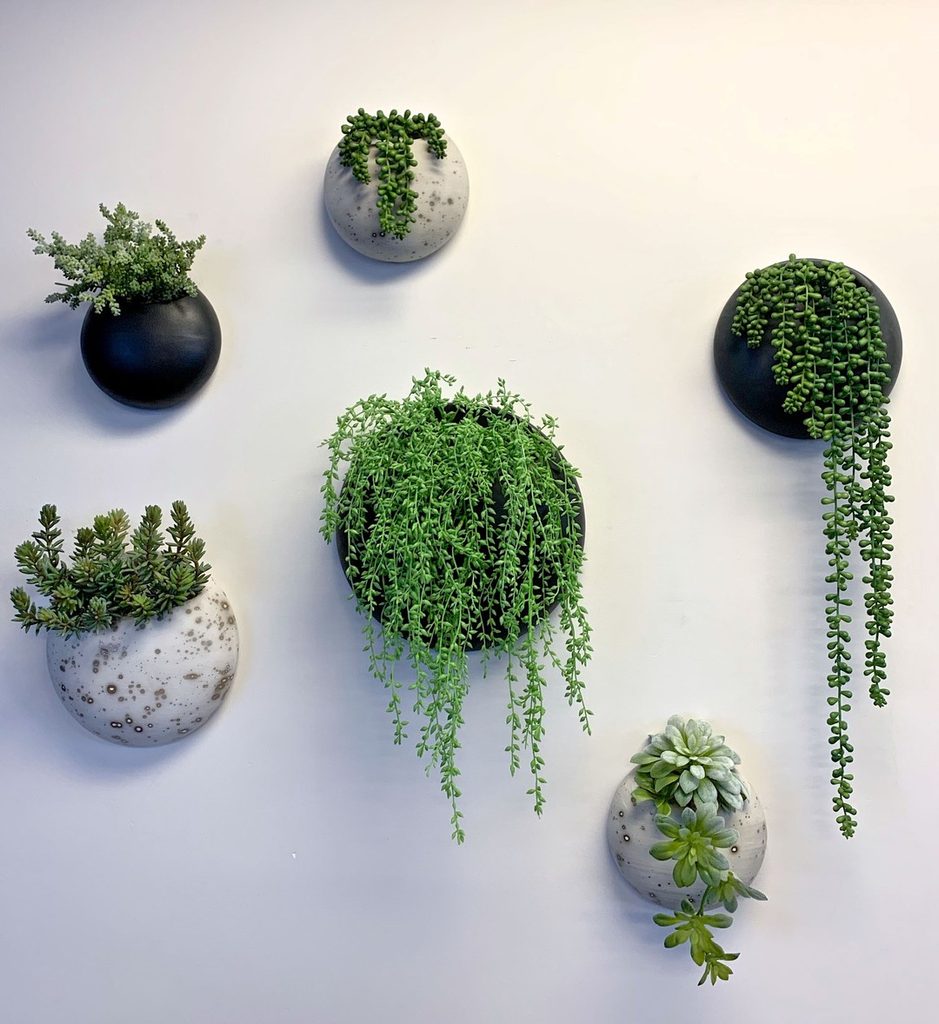
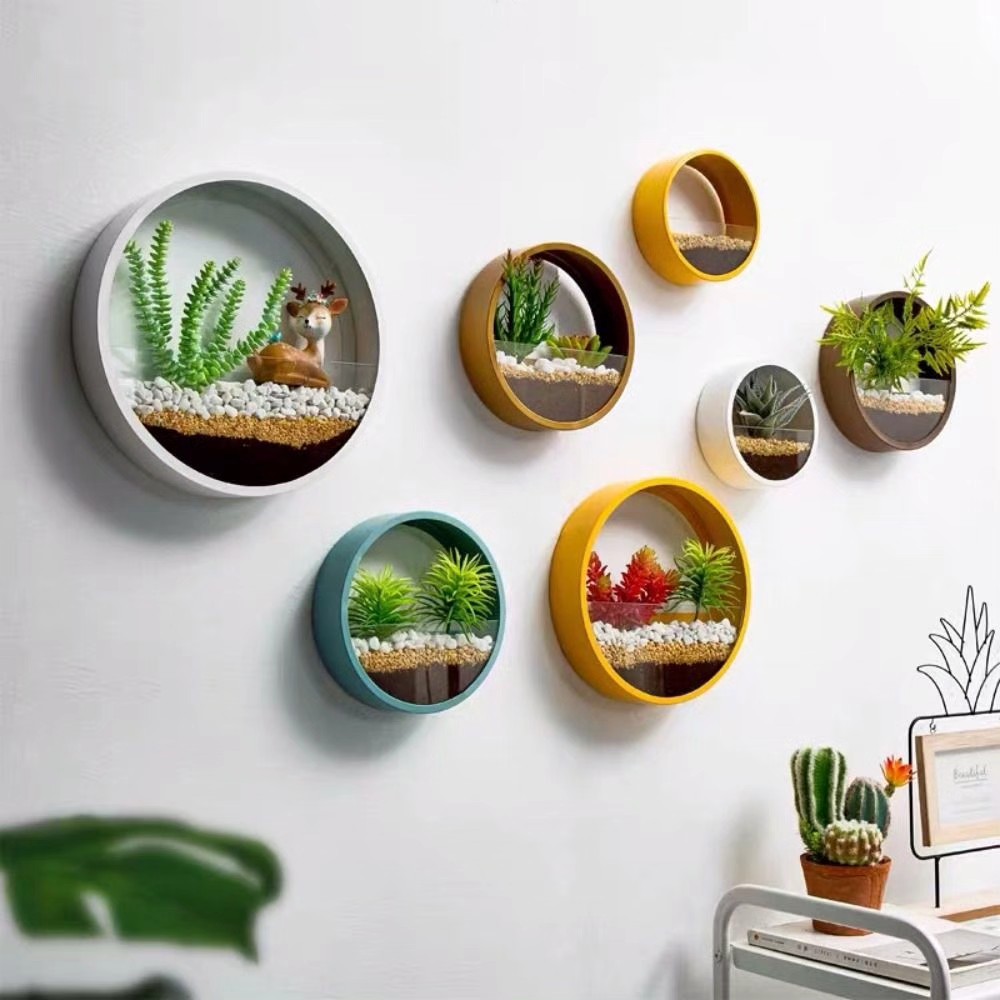
Round wall planters can turn a plain wall into a living display without requiring shelves or large pieces of furniture. Their curved shapes create a softer look, while a thoughtful mix of green leaves and different plant forms gives the arrangement a collected, artistic feel.
Try grouping three or five planters with different sizes and finishes, keeping the spacing loose enough for each piece to stand out. Small succulents and compact plants can work well in suitable containers, but check the drainage and light requirements of each variety before planting. This approach suits a living room, a reading corner, or a quiet bedroom wall.
Trailing Plants in Hanging Pots
Credit: @envision03d
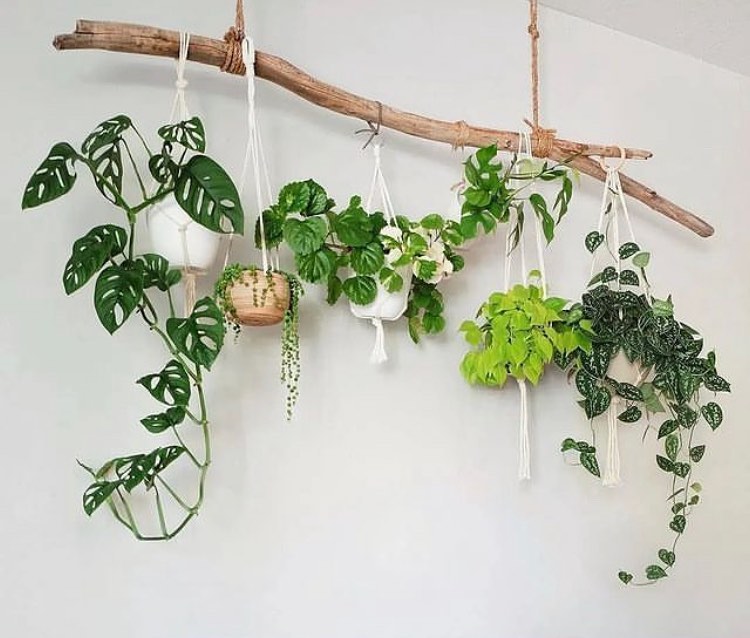
Long trailing plants bring movement to hanging wall planters and make use of vertical space that would otherwise remain empty. This style works particularly well in rooms with high ceilings, beside large windows, or above a seating area where the greenery can become part of the room’s natural character.
Choose a plant with growth habits that suit the height of your wall, and leave enough clearance around doors, walkways, and furniture. Pothos, heartleaf philodendrons, and other suitable trailing houseplants offer different leaf shapes and shades of green. Rotate the pots occasionally if the plants receive light mainly from one direction, helping their growth stay more balanced.
A Colorful Outdoor Hanging Garden
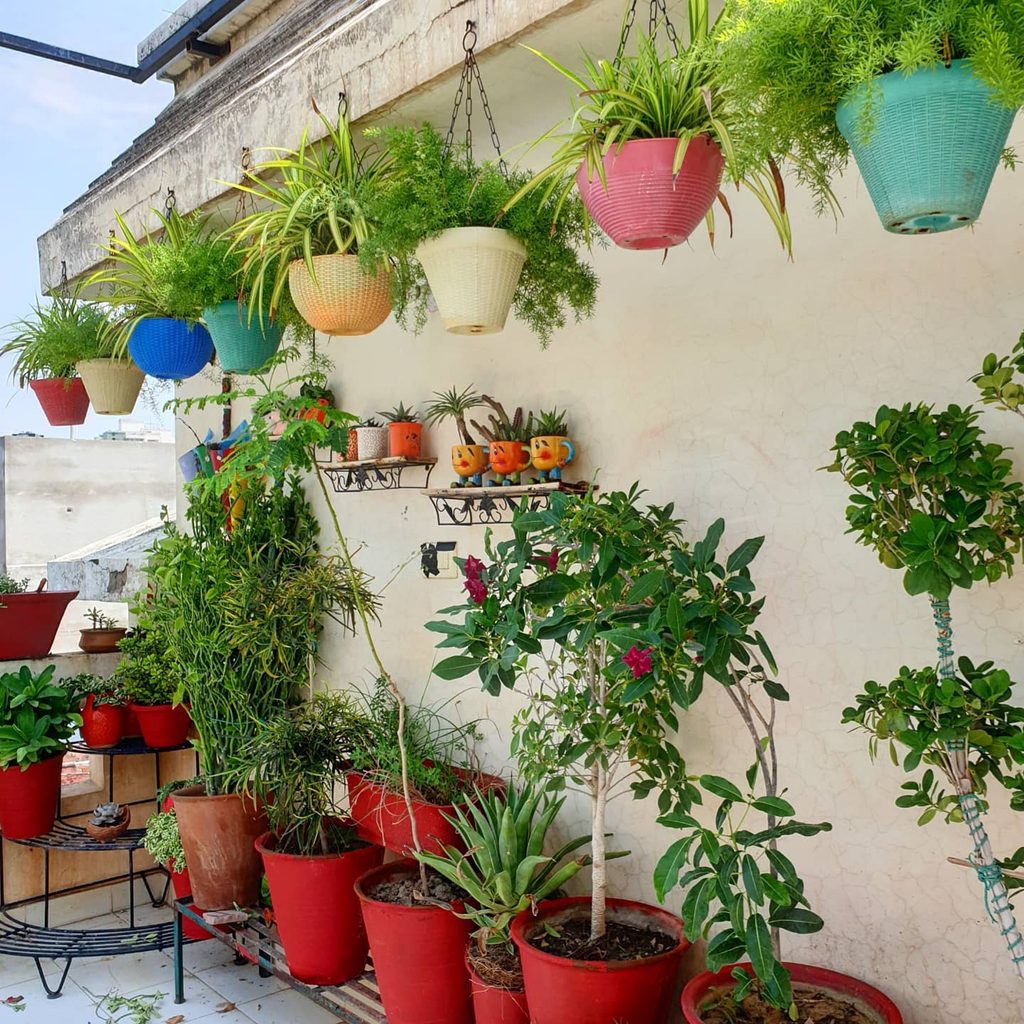
Credit: @fungardening.ig
Colorful containers can make hanging wall planters feel cheerful and full of personality on a balcony, terrace, or sheltered patio. Bright blue, turquoise, coral, and yellow pots bring an easy sense of fun, especially when paired with plants that have different shades of green or seasonal flowers.
Choose outdoor containers made to handle the weather in your area, and check that their drainage holes allow excess water to escape. Lightweight plastic and resin pots can be practical for balconies, while sturdy hooks keep the arrangement secure. If your outdoor space receives strong afternoon sun, select plants that can tolerate those conditions instead of relying on appearance alone.
A Natural Branch Plant Display
Credit: @mk_creationz
A natural branch creates a relaxed base for hanging wall planters and adds an organic detail that feels at home in rustic, cottage, or bohemian interiors. The irregular shape of the wood makes the arrangement more interesting, while hanging pots at different heights creates a gentle rhythm across the wall.
Look for a dry, sturdy branch that can safely support the combined weight of the pots and their contents. Use suitable wall fixings and strong hanging cords, and test the weight before adding plants. Macrame holders, small woven baskets, and simple ceramic pots can all work beautifully, especially when you repeat a few natural colors throughout the arrangement.
Succulent Wall Planters
Credit: @mothernaturemellows
Succulents offer a compact way to enjoy hanging wall planters when you prefer small plants and simple shapes. Their varied forms create visual interest, from upright rosettes to rounded trailing stems, making them well suited to decorative wall containers in bright rooms.
Choose containers with enough depth for the plants’ roots and use a free draining potting mix designed for succulents. Most varieties need plenty of light, so a bright location is important for healthy growth. If you love the look of living greenery but have a dim hallway, consider placing your succulent display somewhere brighter instead of asking the plants to adapt to unsuitable conditions.
Modern Hanging Wall Planters in Black
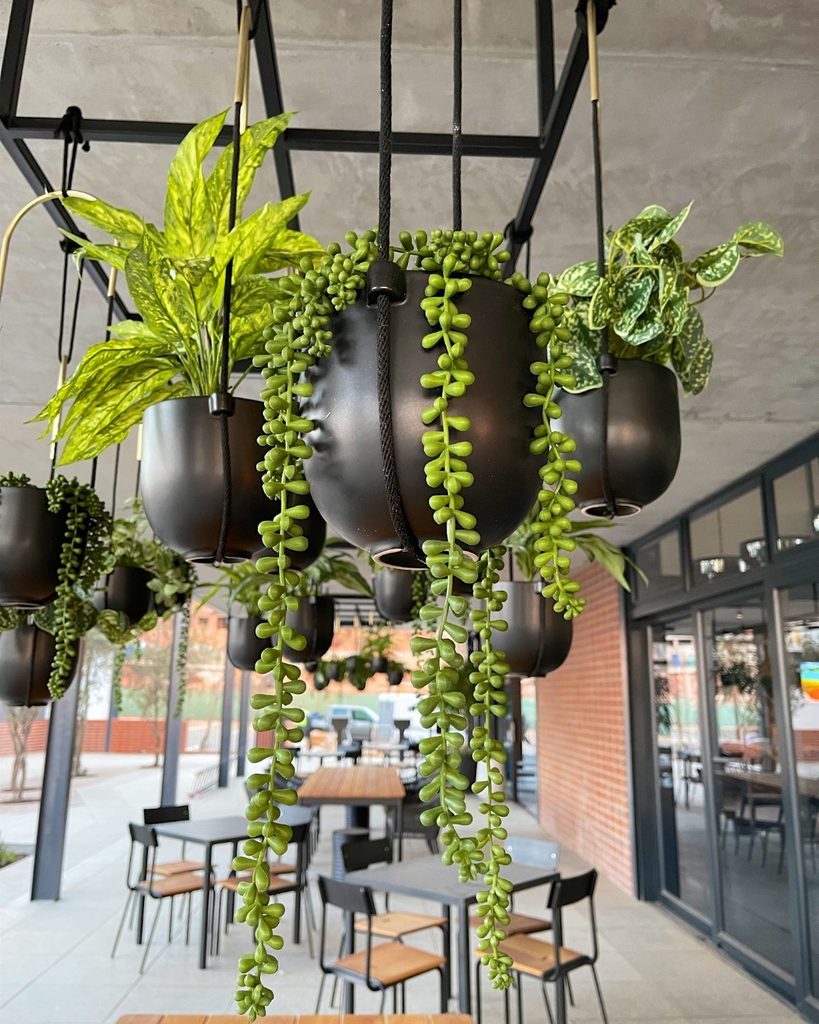
Credit: @distinctivespaces
Black containers give hanging wall planters a clean, modern appearance that works especially well with dark window frames, simple furniture, and neutral walls. The deep color creates a strong contrast with green leaves, helping even a small plant collection feel like a planned part of the room.
For a balanced arrangement, combine matte black pots with plants that have different leaf shapes and lengths. A compact upright plant can sit beside a trailing variety, adding variety without making the display feel messy. If your room already has dark accents, repeating that finish in the planters can help connect the entire space.
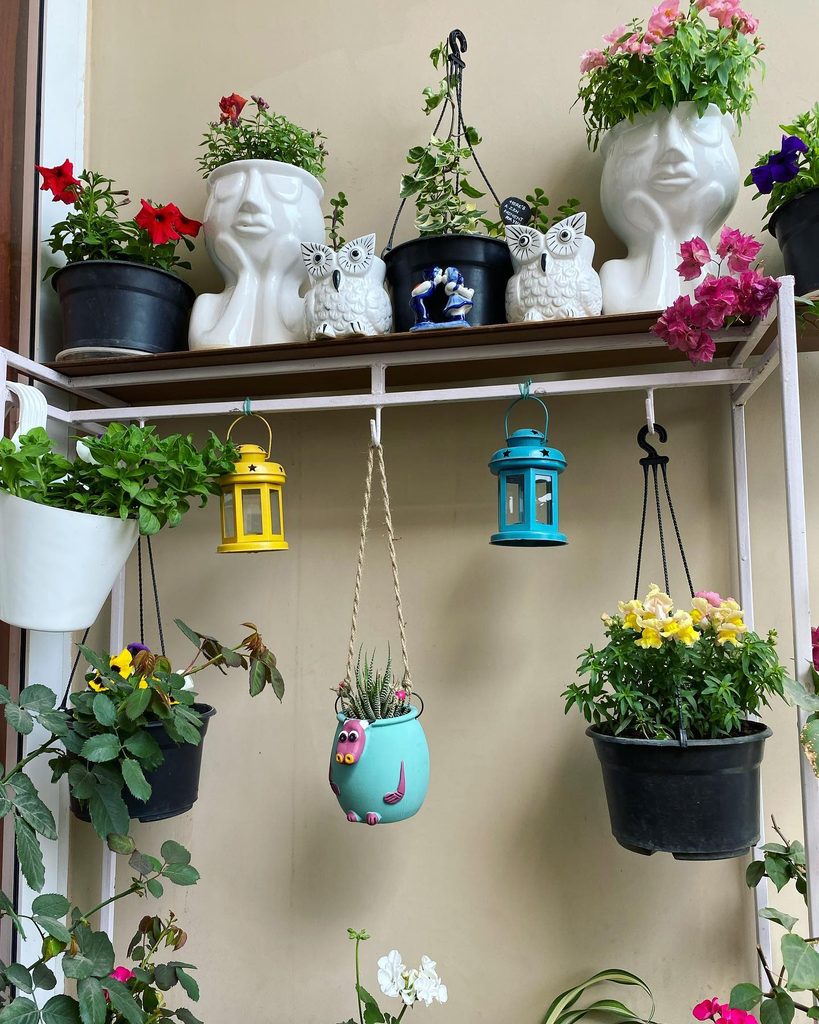
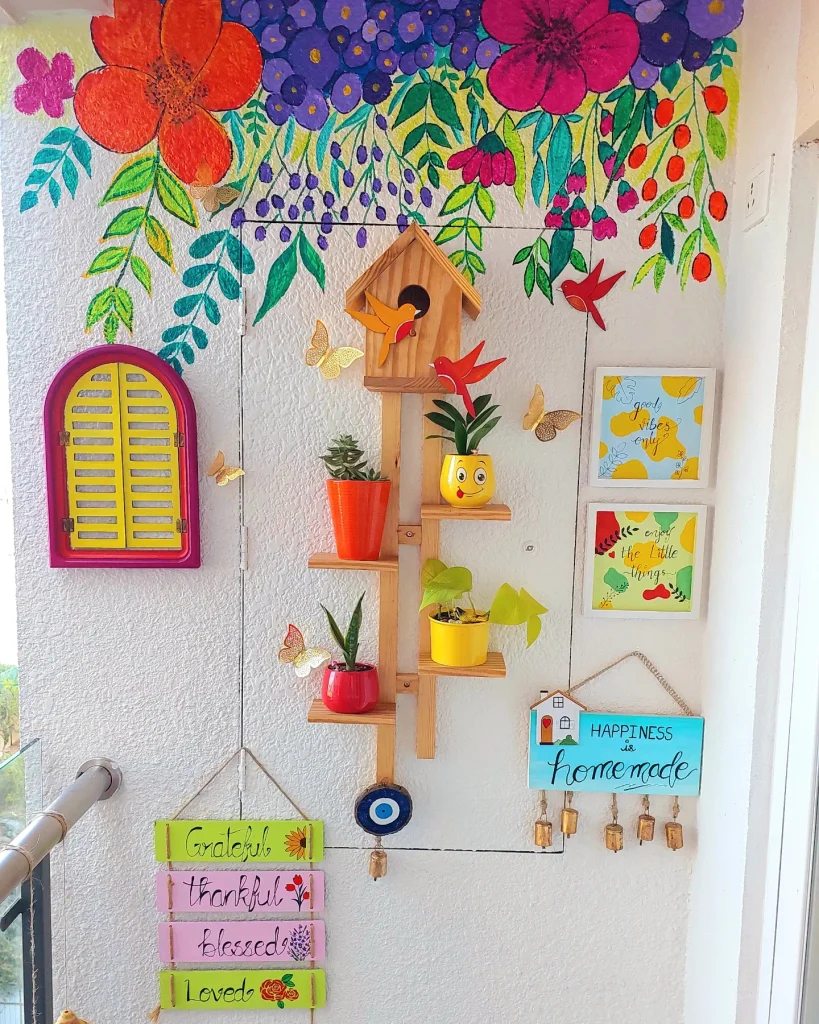
Playful Pots for a Balcony
Credit: @rachelkathleenhome
Decorative pots with unusual shapes or cheerful details can make hanging wall planters feel personal and welcoming. This approach works well on a balcony or in a casual outdoor corner where flowers, greenery, and small decorative objects can share the space without following a strict color scheme.
Mix playful containers with a few simple pots to keep the display from becoming too busy. You can use colorful flowers for seasonal interest or compact foliage plants for a greener appearance throughout the year. Make sure every hanging container has proper drainage and secure support, particularly if the balcony is exposed to strong winds.
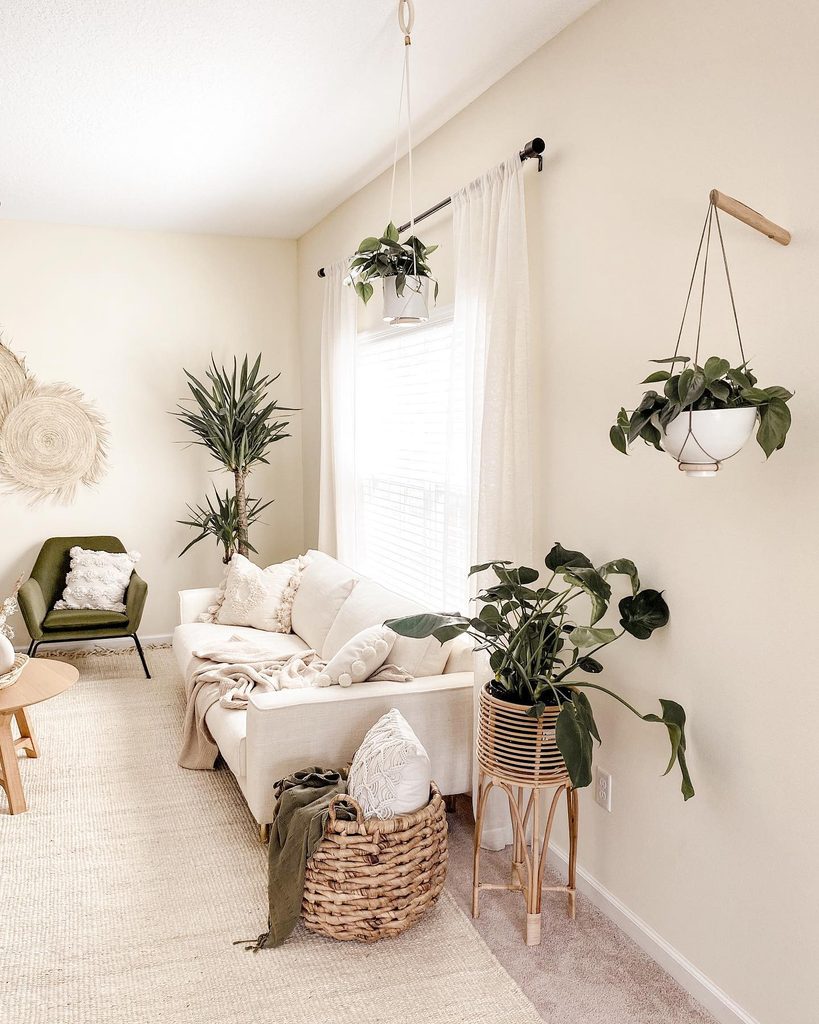
A Soft Neutral Hanging Garden
Credit: @scot_sale
Neutral containers are an easy way to bring hanging wall planters into a calm, understated interior. White, cream, beige, and pale wood finishes complement natural textiles and light furniture, allowing the plants to provide most of the color without making the room feel crowded.
This style is particularly useful in a small home where visual simplicity can help the rooms feel open. Combine one or two hanging pots with a larger floor plant, keeping the finishes similar so the greenery feels connected. If you are working with Narrow Entryway Ideas, wall mounted greenery can add character while leaving the floor clear for shoes, baskets, and everyday movement.
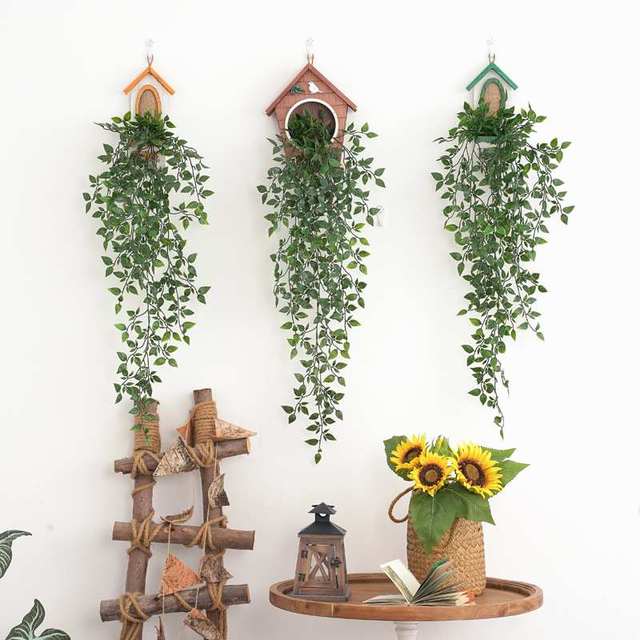
Decorative House Shaped Planters
Credit: @sugandha.saxena19
House shaped planters bring a playful decorative detail to hanging wall planters, making them a charming choice for a family home, craft corner, or small reading area. Their unusual shapes can add personality to a plain wall without requiring a large piece of artwork or a collection of decorative shelves.
Choose a few coordinating planters and let the foliage provide a natural contrast to the wooden or painted frames. Small trailing plants are especially useful because their stems soften the outlines and create a fuller appearance over time. Keep the arrangement at a practical height, away from doors and other areas where hanging stems could get in the way.
A Lush Hanging Living Room
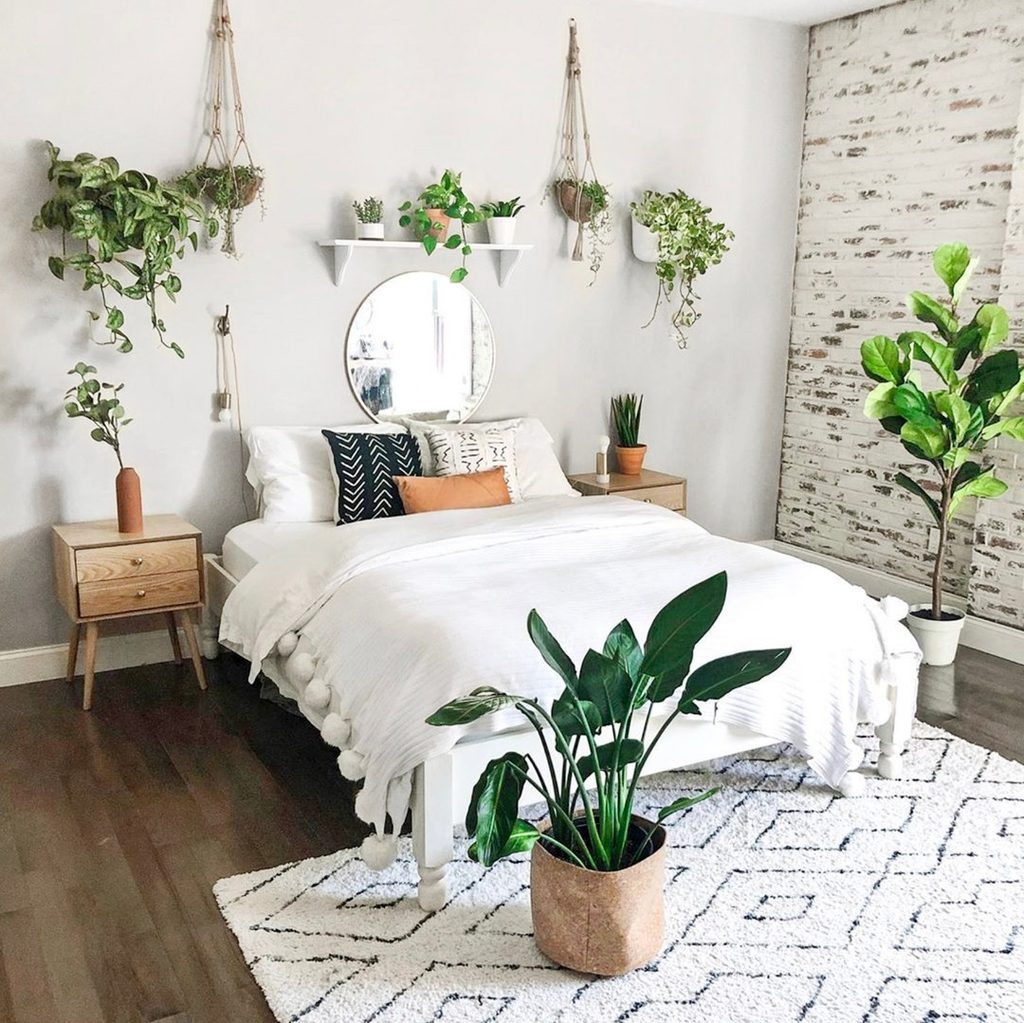
Credit: @wallygrowplanters
A living room can feel more relaxed when greenery is arranged at different heights, with hanging wall planters helping to connect the upper walls with the plants and furniture below. This creates a natural sense of depth and can make a large blank wall feel more welcoming without adding another piece of furniture.
Choose plants according to the available light and the amount of care you can comfortably provide. A combination of trailing foliage and compact upright plants gives the display variety, while matching or coordinating pots help keep the arrangement visually connected. Leave enough room around the sofa, windows, and walkways so the greenery adds comfort without becoming an obstacle.
Choosing Plants for Your Wall
The right plant makes all the difference when you want hanging wall planters to remain attractive over time. Before buying pots, consider how much sunlight the wall receives, whether the room is warm or cool, and how often you can water your plants.
Trailing plants are useful for creating a cascading effect, while compact varieties work better in small decorative containers. Consider these options when choosing your greenery.
Pothos is a practical choice for many indoor spaces because it grows along long stems and adapts to a range of indoor conditions. It generally prefers bright, indirect light and allows the soil to dry somewhat between waterings.
Heartleaf philodendron has soft, heart shaped leaves and trailing stems that suit hanging containers. Give it bright, indirect light when possible and avoid leaving its roots in standing water.
Spider plants can add a light, arching shape to a hanging display. They grow well in bright, indirect light and may produce small plantlets that can be rooted to create new plants.
Installing Hanging Wall Planters Safely
A beautiful arrangement needs secure support, especially when the planters contain damp soil and mature plants. Before installing hanging wall planters, check what your wall is made from and choose fixings designed for that surface and the expected weight.
Drywall, brick, concrete, and timber walls all need different installation methods. A lightweight adhesive hook may be suitable for a small decoration in some situations, but heavier pots usually need stronger support and the correct anchors.
Measure the wall before drilling so you can plan the spacing and keep the display away from doors, light switches, and busy walkways. Mark each position lightly with a pencil, then step back to check that the arrangement looks balanced before making permanent holes.
Making Wall Greenery Easy to Maintain
Good plant care helps your hanging wall planters stay attractive without turning them into another demanding household task. Choose a location that meets the needs of your plants and makes watering, trimming, and checking the leaves comfortable.
Water each plant according to its needs instead of following one schedule for every pot. Check the soil before watering, and allow excess water to drain fully so the roots are not left sitting in moisture.
Trim long stems when they begin to block a window, brush against furniture, or reach into a walkway. Regular trimming also gives you an opportunity to remove damaged leaves and keep the arrangement at a manageable size.
Dust can collect on leaves, especially in rooms that are used every day. Wipe suitable foliage gently with a damp cloth when needed, and check the undersides of the leaves for signs of pests as part of your normal care routine.