
Live Beautifully at Home


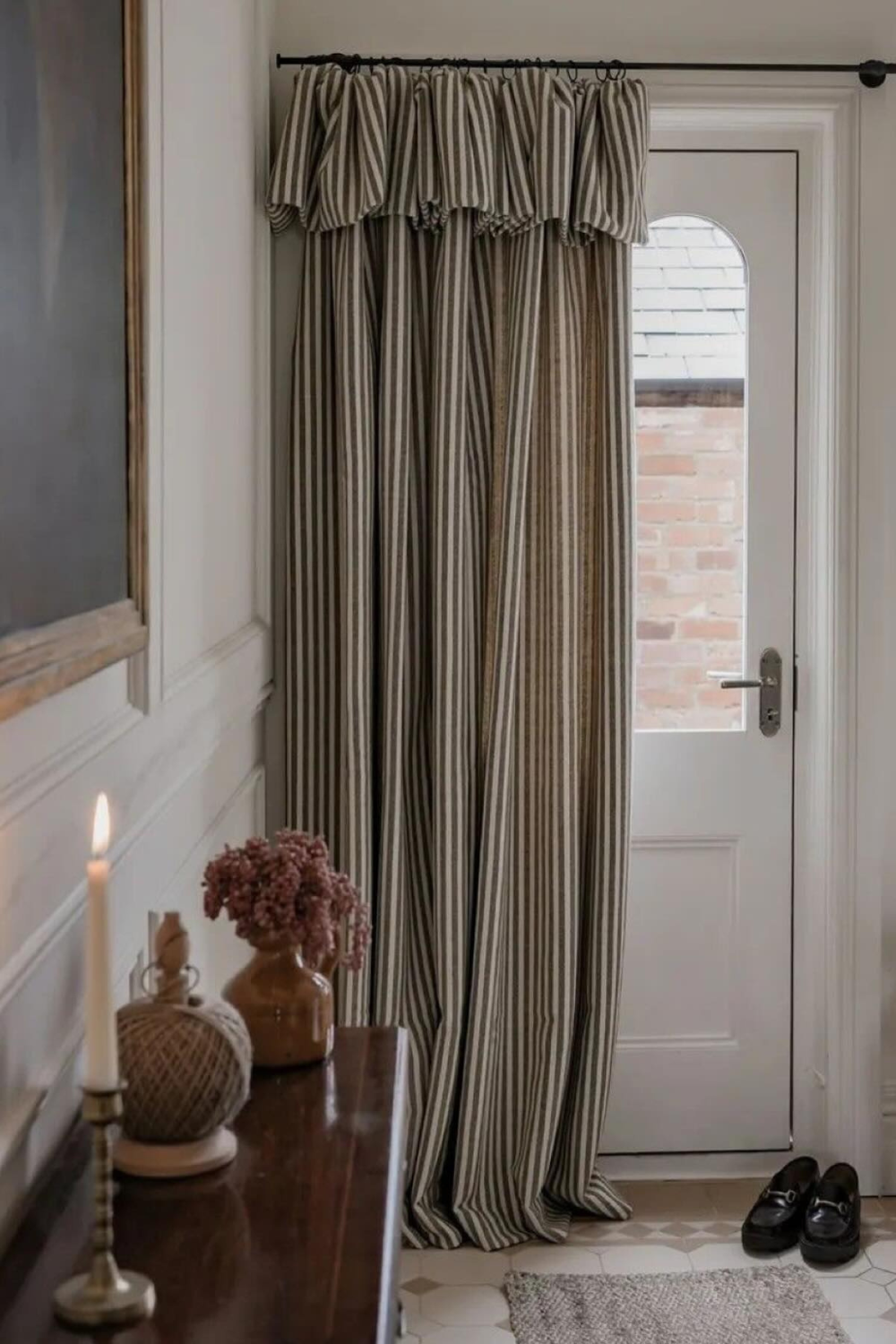
10 Stunning Front Door Window Covering Ideas to Refresh Your Entryway
 Rhonda
My Blue Creek Home Founder & Editor
I spent over 12 years in decorative painting and faux finishing, starting with a faux finishing company I co-owned in Mississippi that...
October 13, 2026
9 min read
Leave a comment
Rhonda
Rhonda
My Blue Creek Home Founder & Editor
I spent over 12 years in decorative painting and faux finishing, starting with a faux finishing company I co-owned in Mississippi that...
October 13, 2026
9 min read
Leave a comment
Image Notice. Some images featured in this article may originate from third-party sources and are used for illustrative purposes only. Please review our Image Credits Policy for full attribution information.
Front door window covering ideas can help you make your entryway feel more private, comfortable, and welcoming without losing the natural light that makes a home feel open. Whether your front door has a large glass panel, a narrow sidelight, or several decorative windows, the right covering can make a noticeable difference in how your entrance looks and functions.
The best choice depends on how much privacy you need, how much daylight you want to keep, and the style of your home. Soft curtains bring warmth, Roman shades add a neat fabric finish, and frosted window treatments let light filter through while making it harder to see inside.
Your entryway also deserves practical details that work with everyday life. A well chosen window covering should be easy to open when you want more light, simple to maintain, and suitable for a door that gets regular use.
Measure each glass panel carefully before ordering a covering, especially if your door has an unusual shape or a narrow sidelight. A close fit helps the treatment sit neatly and keeps it from interfering with the handle, lock, or door frame.
Roman Shades for Front Door Windows
Credit: @indigoblinds_sk
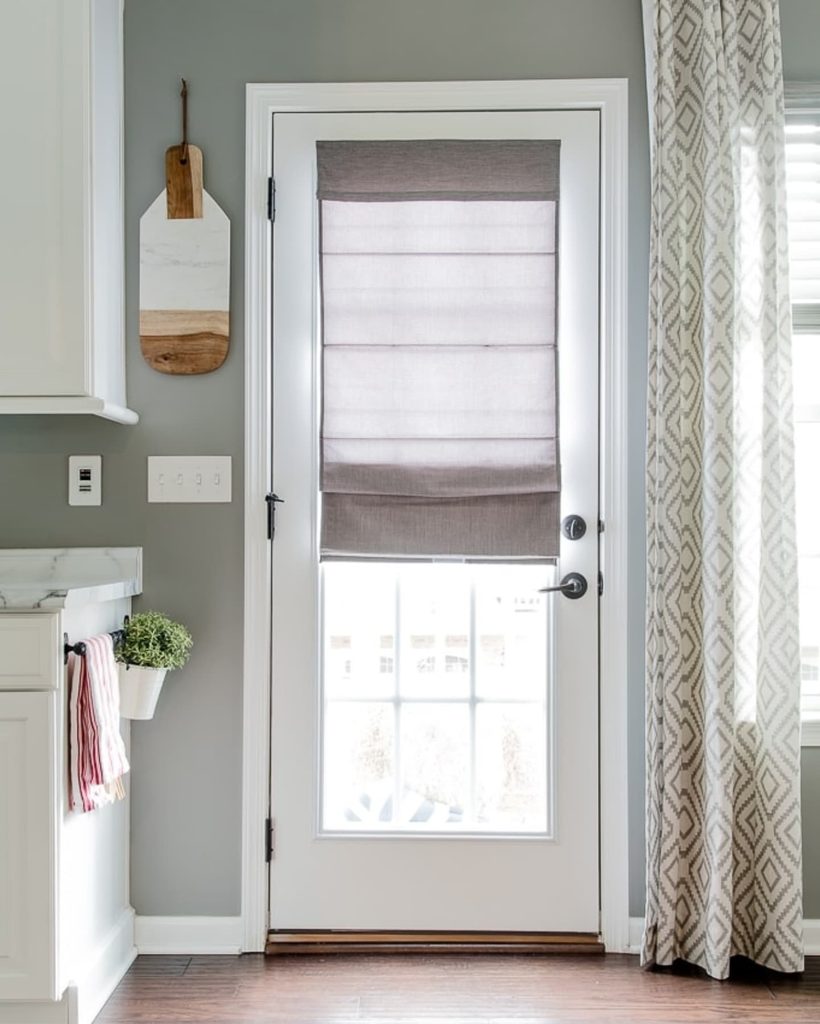
Roman shades are one of the most versatile front door window covering ideas because they combine the softness of fabric with the tidy shape of a traditional window shade. They work especially well on doors with tall glass panels, where you want to control privacy without adding bulky curtains that take up valuable space.
Choose a light gray, warm beige, or soft white fabric to complement your existing wall color and trim. A Roman shade with a cordless lift system can make daily adjustments easier, and a top mounted installation can help keep the treatment neatly contained within the window frame.
Add an Outdoor Door Awning
Credit: @designyourawning
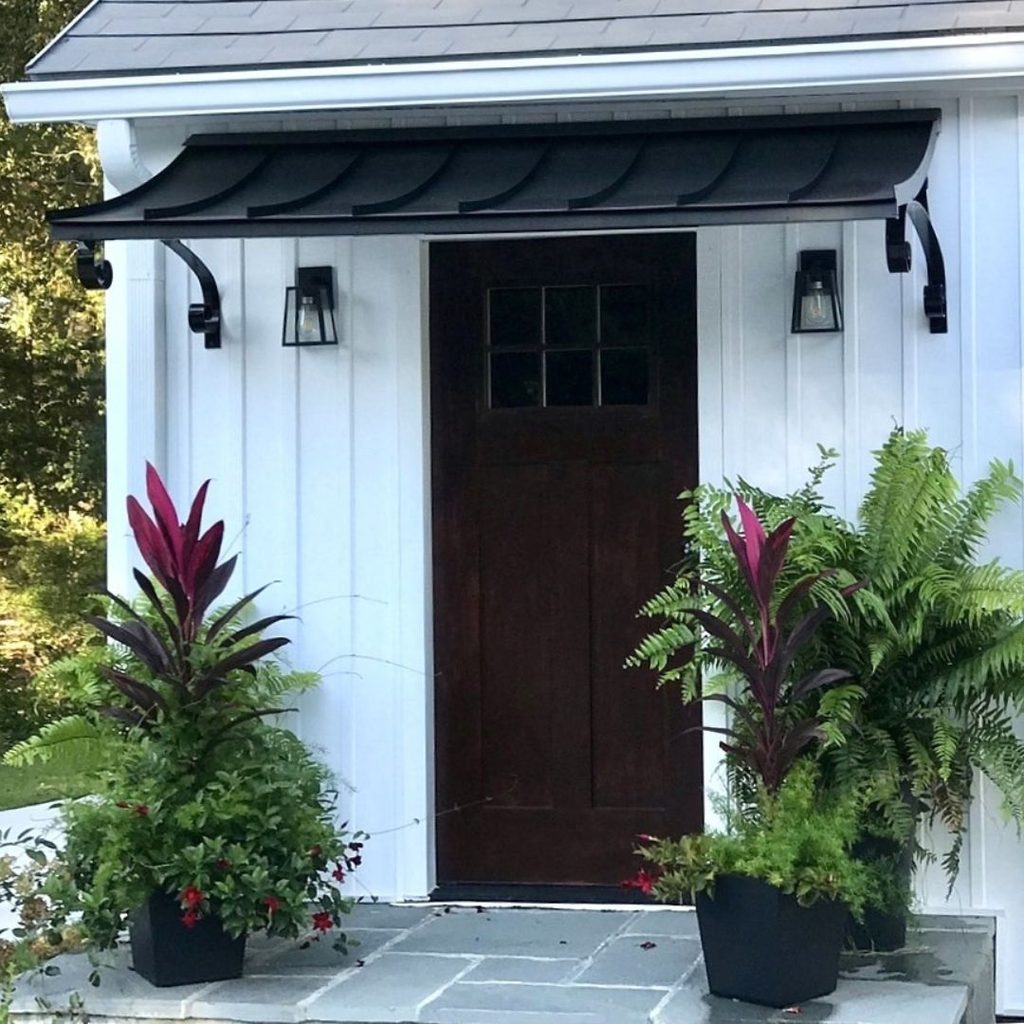
An exterior awning offers a different approach to front door window covering ideas, especially when your entrance receives strong sunlight. It can shade the doorway, reduce direct glare, and create a more defined entrance while adding an architectural feature to the front of your home.
Look for a weather resistant design that complements your roof, siding, and exterior lighting. A black metal awning works well with white siding and dark hardware, while a simpler design can suit traditional homes just as comfortably. Check local building rules and ensure the awning is securely installed for the wind and weather conditions in your area.
Frosted Film for Front Door Glass
Credit: @lustaluxdirect
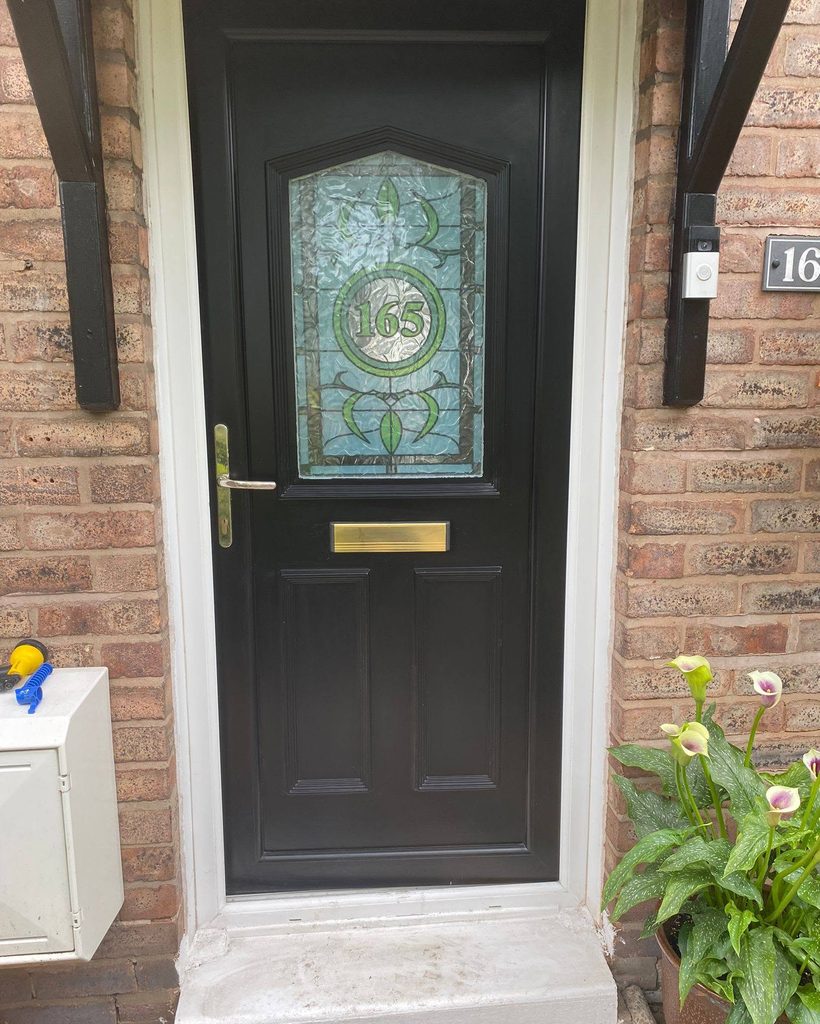
Frosted window film is a practical choice when you want daylight to enter your home without giving passersby a clear view of your hallway. It is particularly useful for front doors that face a sidewalk, shared entrance, or neighboring property, where privacy matters throughout the day.
You can cover the full glass panel or apply film only to the areas where privacy is most important. Choose a plain frosted finish for a simple appearance, or select a subtle decorative pattern if you want extra character. Before applying the film, clean the glass thoroughly and check that the product is suitable for your particular type of door glazing.
Choose a Door With Built In Blinds
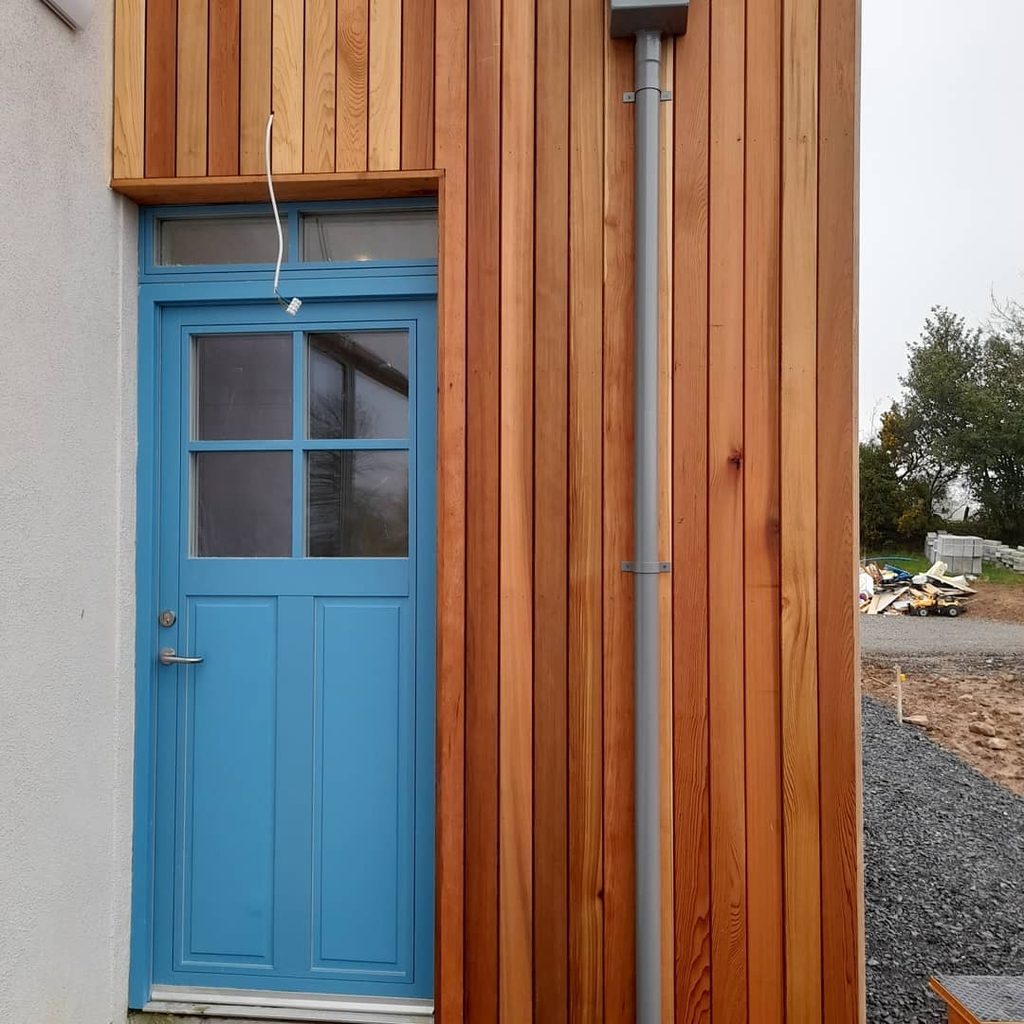
Credit: @rationel_midlands
Built in blinds offer a convenient solution for homeowners who prefer a clean, uncluttered entryway. The blinds sit between the panes of glass, allowing you to adjust the amount of light and privacy without having fabric hanging beside the door or collecting dust in the hallway.
This option works especially well when replacing an older exterior door or planning a larger renovation. You can choose blinds that tilt or raise according to the door system, making it easier to adjust them throughout the day. Compare the available operating mechanisms, glass specifications, and repair options before committing, since the built in design is usually a more permanent investment.
Hang Full Length Door Curtains
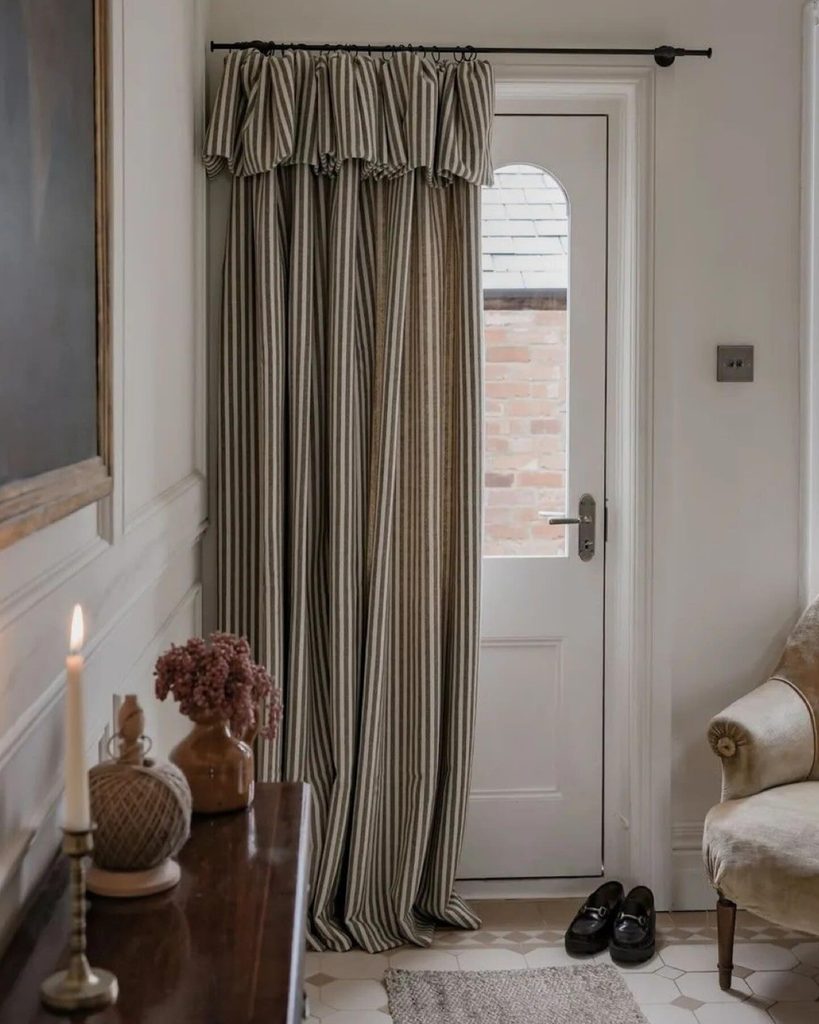
Credit: @redecorate_adelaide
Full length curtains can make a front entrance feel warmer and more connected to the rest of your home. They are particularly suitable for traditional interiors, country homes, and entryways where the door opens into a living room or a small sitting area rather than a narrow hallway.
Choose a curtain rod that extends beyond the window so the fabric can be moved aside easily when you want daylight. Linen blends and cotton fabrics create a relaxed look, while heavier lined curtains offer more privacy and can help reduce drafts around an older doorway. Keep the fabric clear of the door swing and choose a length that does not create a tripping hazard.
Layer Curtains With a Roman Shade
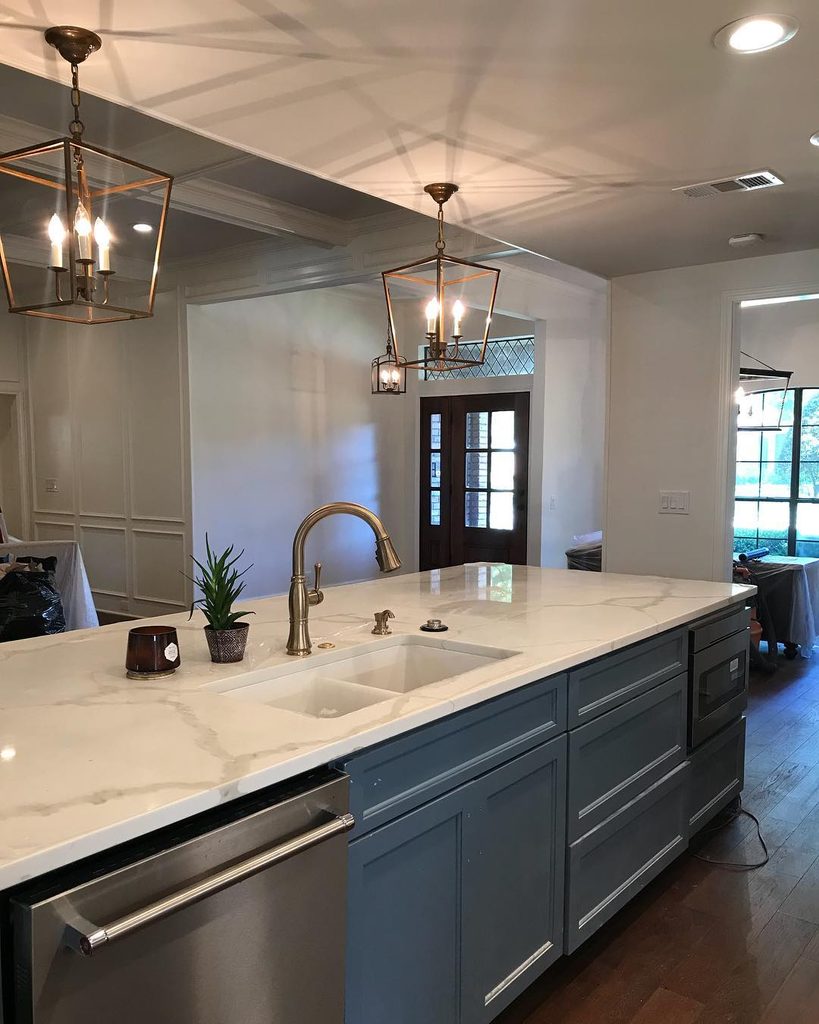
Credit: @sarahavituaphotography
Layering a Roman shade with curtains gives you flexible light control and a softer, more decorated entrance. The shade can provide everyday privacy, while the curtains add texture, color, and a sense of height to the room. This combination is especially useful when your front door sits within a larger wall that can accommodate a curtain rod.
For a balanced look, pair a plain shade with striped curtains or combine two fabrics in similar neutral tones. You can also introduce a subtle pattern that connects the entryway to nearby furniture, rugs, or cushions. When considering front door window covering ideas for a layered look, make sure the curtain stack will not block the doorway or interfere with the handle.
Replace the Door With a Solid Panel
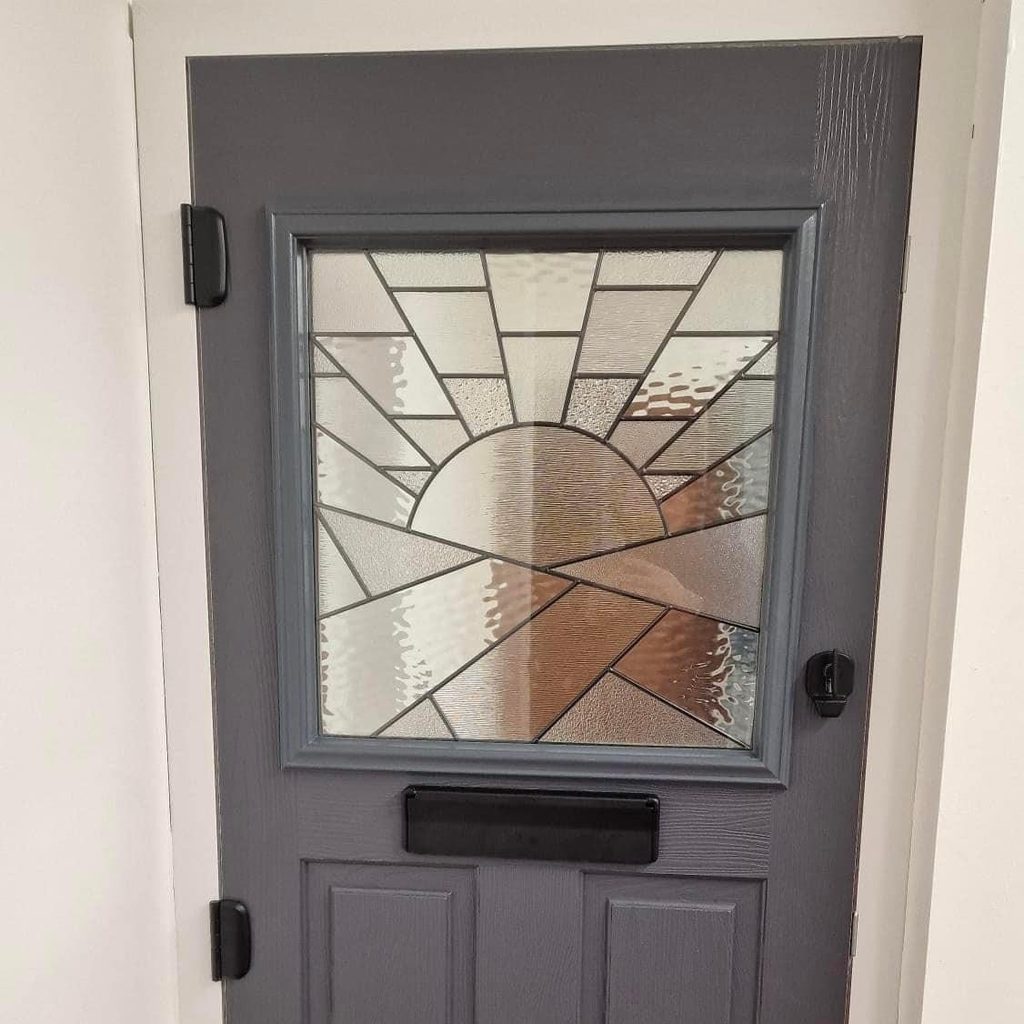
Credit: @valuedoors.co.uk
A solid front door is worth considering when privacy is more important to you than having a glass panel. It removes the need for a separate window treatment and gives you greater freedom to choose a bold paint color, decorative panel design, or statement door handle.
This solution can work particularly well in homes where the front door opens directly into a bedroom corridor, a busy family space, or an entryway that is difficult to screen from outside. If you want to retain some daylight, consider a small frosted glass panel or a separate glazed section beside the door. Compare the security, insulation, and installation requirements before replacing your existing door.
Add a Fabric Screen Inside
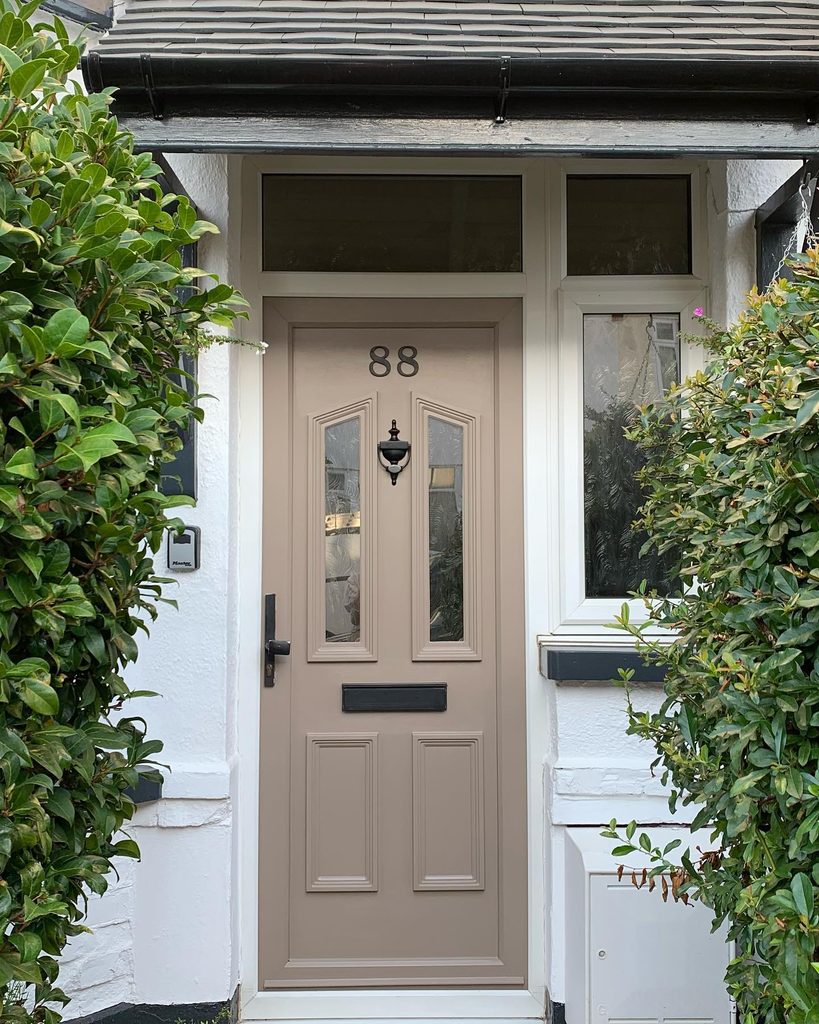
Credit: @toshhome
A fabric screen can provide a layer of privacy when you want to soften the view through your front door without changing the glass itself. This approach is useful for renters or homeowners who prefer a flexible solution that can be adjusted as their needs change.
Choose a freestanding screen only when your entryway has enough room to keep the walking path clear. In a compact hallway, a slim fabric panel or a curtain fitted above the glass can achieve a similar effect without taking up floor space. Coordinate the fabric with your entry rug and wall colors so the extra layer feels connected to the rest of the room.
Use a Neutral Privacy Blind
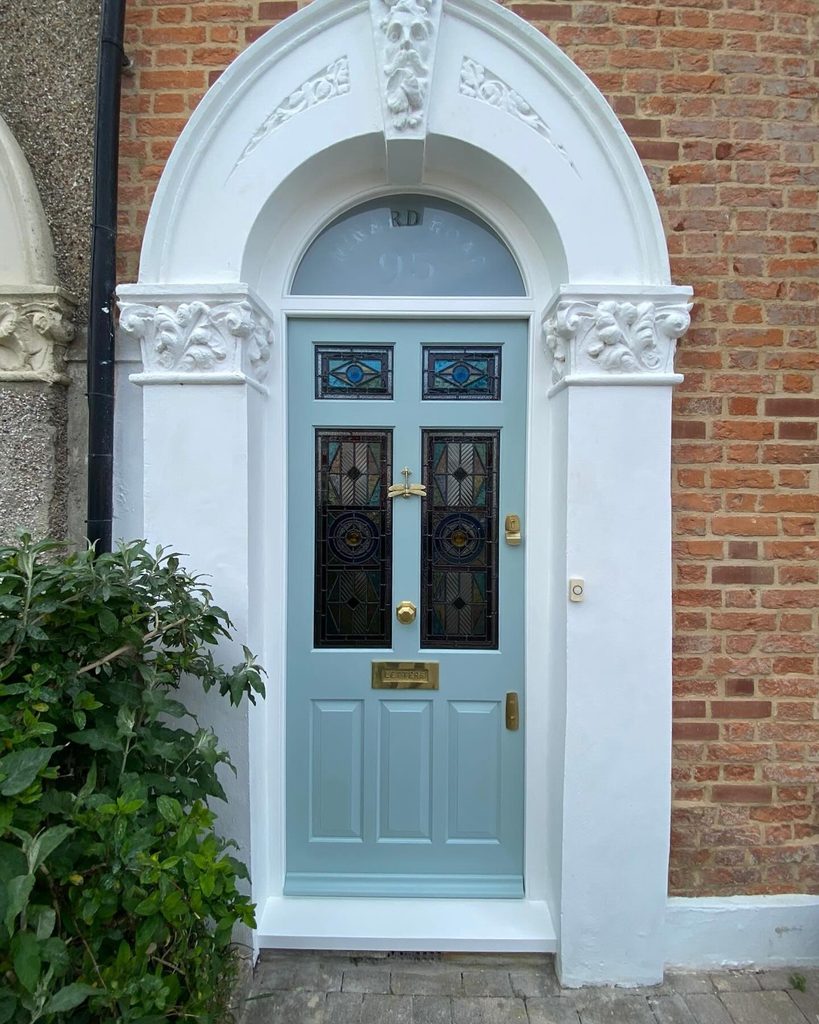
Credit: @greenwichjoinery
A neutral privacy blind is a reliable option for homeowners who want a simple treatment that blends into the architecture of the door. White, cream, taupe, and pale gray are easy to coordinate with many paint colors, making them suitable if you like to update your decor over time.
For a traditional home, choose a blind with a softly textured finish that complements the door panels and surrounding trim. A more modern entrance may benefit from a smooth fabric with clean edges. When comparing front door window covering ideas, pay attention to the blind’s mounting depth and operating controls so you can use the door comfortably every day.
Cover Narrow Side Windows
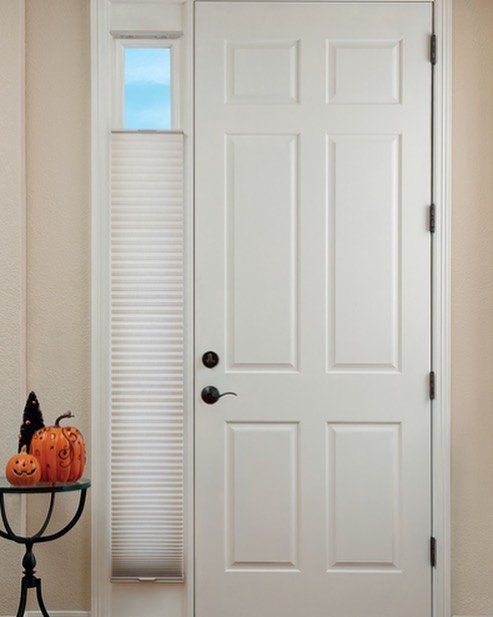
Credit: @windowdesignsetc
Narrow glass panels beside a front door can be tricky because they bring in plenty of light but may give visitors a direct view into your home. Covering these sidelights individually allows you to preserve the character of your entrance while gaining the privacy you need.
Slim cellular shades, custom fitted Roman shades, and privacy film can all work well on narrow windows. Measure the width at several points and check the available mounting space before choosing a product. If your hallway is small, a close fitting treatment can also help keep the entrance visually simple and leave more room for practical details such as Shoe Storage Under Stairs Ideas in a nearby hallway.
How to Choose the Right Front Door Window Covering
The most suitable front door window covering ideas depend on your privacy needs, the shape of your glass, and the way your entrance is used. Before purchasing anything, think about the balance between daylight, visibility, comfort, and the amount of maintenance you are willing to handle.
Start by deciding how much of the glass needs to be covered. If you want to prevent people from seeing directly into your hallway, a full coverage blind or frosted film may be enough. If you mainly want to soften bright sunlight, a light filtering shade could be a better fit.
Your door style matters, too. A traditional paneled door can suit a fabric Roman shade or curtains, while a contemporary door may look best with a simple blind or a minimal privacy film. A door with several small glass sections might need individual treatments, whereas a single large panel gives you more options.
Make Your Entryway Feel Private and Welcoming
The best front door window covering ideas combine practical privacy with a design that suits the rest of your home. A simple shade can make a busy entrance more comfortable, while curtains, frosted film, or built in blinds can offer different levels of light control according to your needs.
Before settling on a treatment, check the measurements, mounting options, cleaning requirements, and nighttime privacy. If you are replacing the door itself, consider the glass design and insulation along with the appearance.
Small details can make the entrance feel more inviting, too. A tidy shoe area, a well placed rug, warm lighting, and a few useful storage pieces can help the doorway feel organized without crowding the space.
You do not need an elaborate solution to make your entryway work better. Choose a covering that fits your daily routine, complements your door, and gives you the right balance of natural light and privacy.