
Live Beautifully at Home


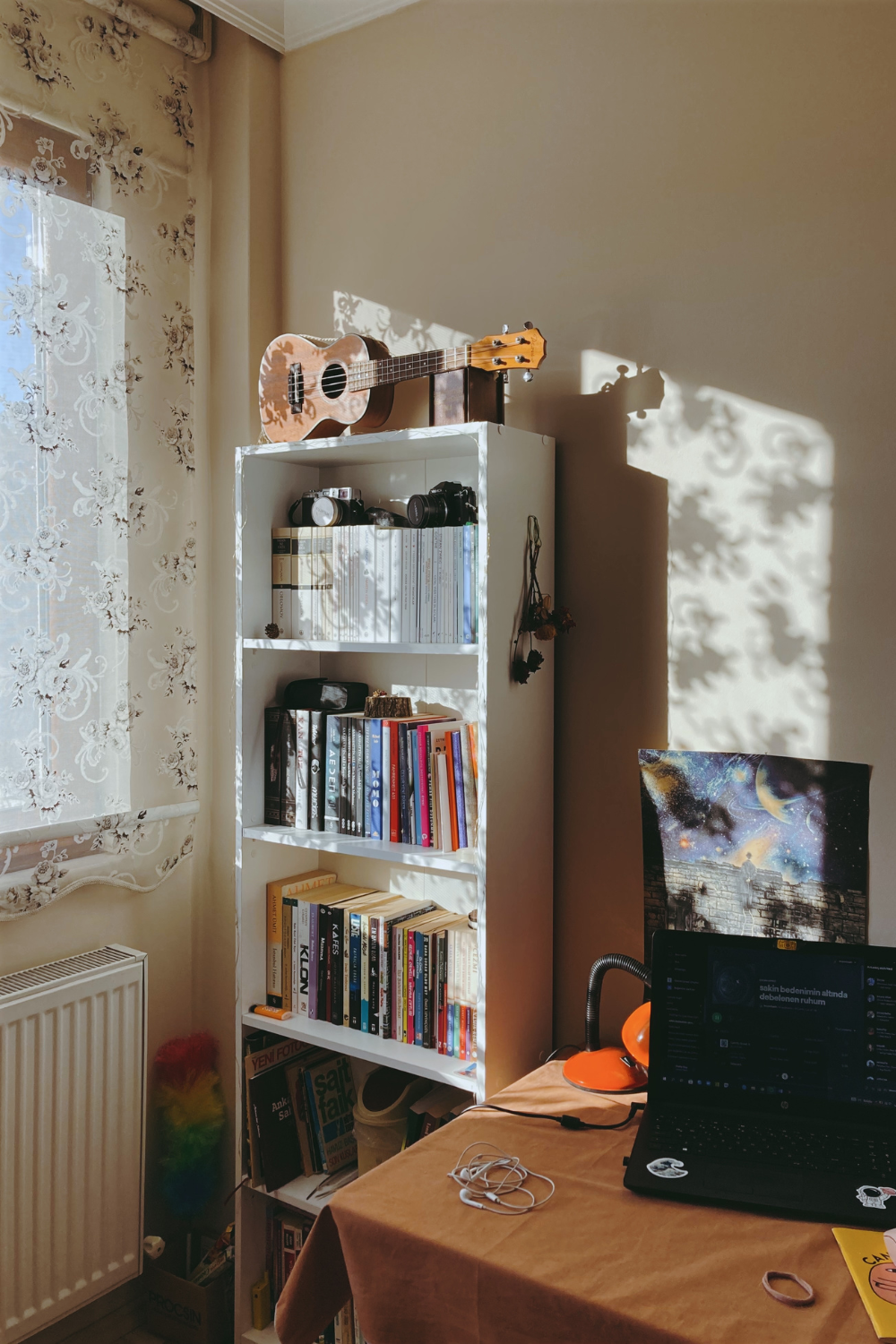
How to Decorate a Study Table That Feels Beautiful and Inspiring Every Day
 Rhonda
My Blue Creek Home Founder & Editor
I spent over 12 years in decorative painting and faux finishing, starting with a faux finishing company I co-owned in Mississippi that...
November 10, 2026
12 min read
Leave a comment
Image Notice. Some images featured in this article may originate from third-party sources and are used for illustrative purposes only. Please review our Image Credits Policy for full attribution information.
A study table has a funny way of collecting things. A notebook sits beside an old coffee cup, pens disappear under papers, and little things that have nothing to do with studying somehow find their way onto the desk. Before long, a space that was meant to help you focus starts feeling crowded.
I think decorate a study table is one of those small home projects that makes a bigger difference than we expect. It is not about buying expensive organizers or filling every corner with pretty accessories. It is about creating a spot where you feel comfortable sitting down, getting your thoughts together, and enjoying the time you spend there.
The right lamp, a few useful accessories, some thoughtful colors, and a little breathing room can change the whole feeling of a desk. I love the idea of making a study area feel personal without losing the practical side of it.
A study table deserves the same attention as any other piece of furniture in your home. It is a place for reading, writing, planning, working, and sometimes just sitting quietly with your thoughts.
What I Keep in Mind Before Decorating a Study Table
Credit: Canva
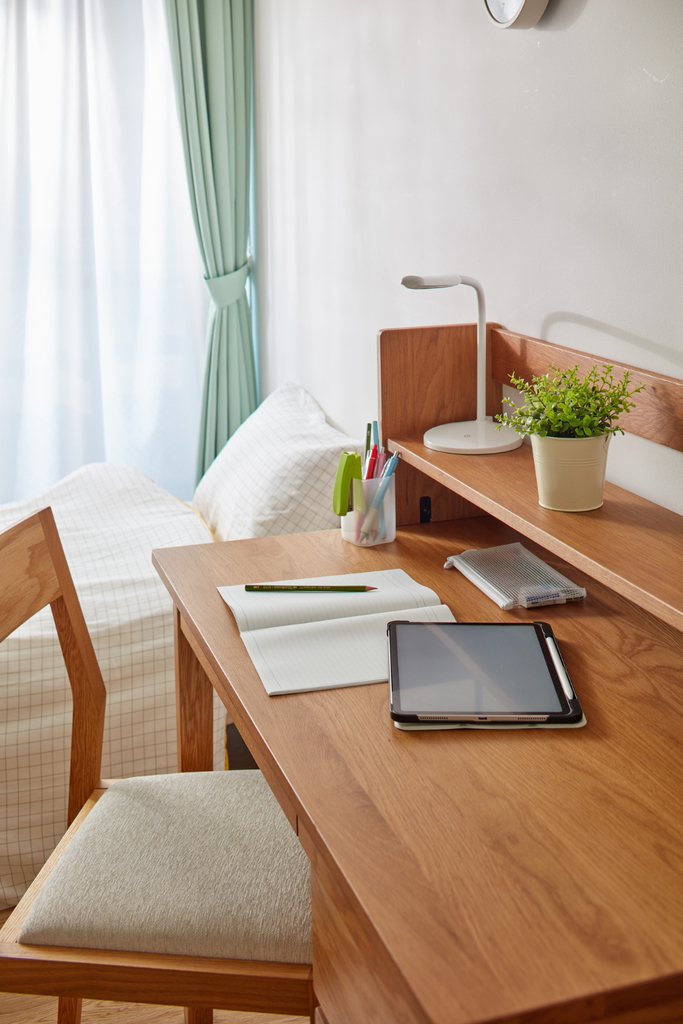
• Keep the middle of the desk open so there is enough room for writing and working.
• Choose a desk lamp with warm, comfortable lighting that does not create strong shadows.
• Use a small tray to collect pens, paper clips, sticky notes, and other everyday supplies.
• Choose two or three main colors to keep the accessories connected.
• Add one personal detail, such as a framed print, a small plant, or a favorite photograph.
What I Gather Before I Start
I prefer to decide what the desk needs before shopping. A few useful pieces are enough to create a comfortable setup.
• Desk lamp, approximately $18 to $40.
• Pen holder or small desk organizer, approximately $8 to $20.
• Decorative tray, approximately $8 to $18.
• Small indoor plant or simple artificial plant, approximately $6 to $20.
• Framed artwork or a small wall print, approximately $10 to $25.
• Desk mat, approximately $12 to $30.
• Cable clips or a small cable organizer, approximately $5 to $12.
• Storage basket for notebooks and extra supplies, approximately $8 to $18.
How I Choose the Right Spot for My Study Table
Before thinking about decorations, I would pay attention to where the study table sits. This is one of the details people sometimes overlook, yet the position of the desk affects how comfortable the whole area feels.
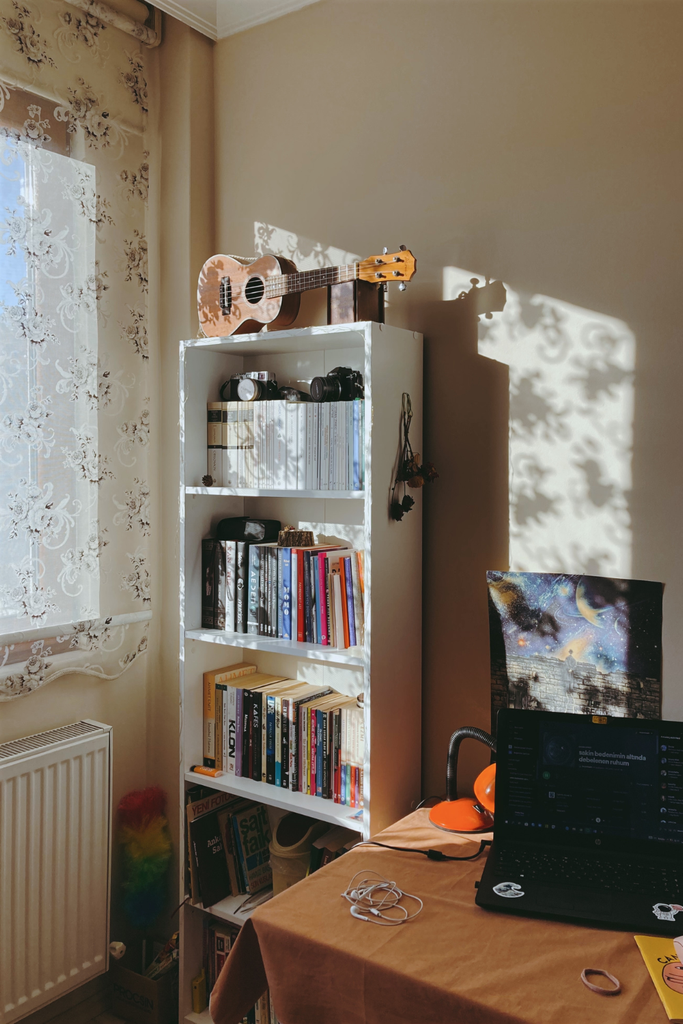
Natural light is my first consideration. A position near a window makes a study area feel lighter and more pleasant during the day. If you write or read regularly, daylight is especially helpful.
Ideally, I would position the table so natural light reaches the work surface without creating glare on a computer screen. For a right handed person, placing the window on the left can reduce shadows from the writing hand. For a left handed person, the opposite arrangement may feel more comfortable.
If the room is small, try placing the desk against a wall. This arrangement gives the area a clear purpose and leaves more open floor space.
A corner can work beautifully too. An L shaped desk is useful when you need room for a computer, books, and paperwork, although a simple rectangular table is often enough.
Credit: Canva
How I Decorate a Study Table Without Filling Every Inch
This is where I think a little restraint makes all the difference. It is tempting to buy several pretty accessories, especially when looking at beautifully styled desk photographs. But a desk covered with decorative objects can quickly become difficult to use.
I like to divide the surface into three simple areas.
The first area is the main working space. This should remain as open as possible. Leave enough room for a notebook, a laptop, or an open book. If you regularly use large notebooks, measure them before choosing a desk mat or organizer.
The second area is for everyday essentials. This is where I would place the pen holder, a small notebook, and perhaps a tray for loose items.
The third area is for something decorative. A small plant, a framed photograph, or a pretty ceramic object can give the desk personality without taking over the surface.
How I Use Colors to Make the Study Area Feel Comfortable
Color has a huge influence on how a room feels. A study table does not need to be completely neutral, but I would avoid introducing too many unrelated colors.
I usually like to start with the color of the desk itself. Natural wood works beautifully with cream, beige, white, sage green, and soft brown accessories.
A white desk gives you more freedom. You can introduce dusty pink, pale blue, warm gray, or muted green without making the arrangement feel too busy.
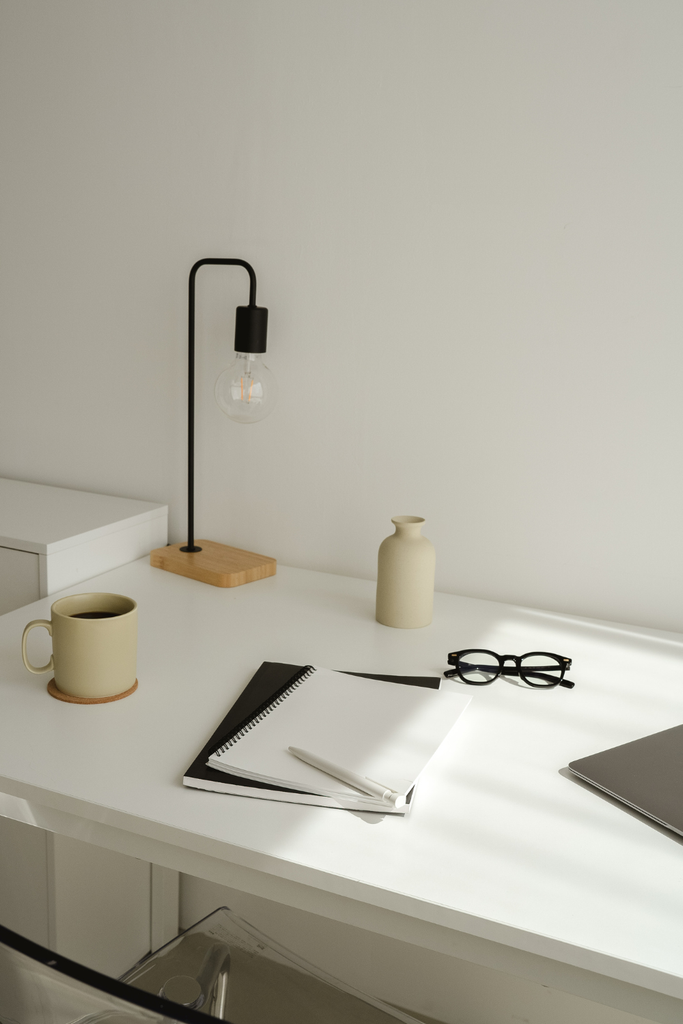
For a darker wooden desk, I would choose lighter accessories to create contrast. A cream desk mat, a white pen holder, and a soft beige lamp can make the surface feel lighter.
You can also use color to create a particular mood.
For a calm, natural look, combine light wood, cream, and sage green. Add a small leafy plant and a woven basket for warmth.
How I Choose Lighting That Makes Studying Easier
A pretty study table is lovely, but poor lighting can make the whole experience uncomfortable. This is one part of the arrangement where I would spend a little more attention.
A desk lamp should provide enough light for reading and writing without creating harsh glare. Look for an adjustable lamp so you can direct the light toward your notebook or keyboard.
For general desk use, a lamp with approximately 400 to 800 lumens is a useful starting point. The exact brightness depends on the room, the distance from the desk, and your personal comfort.
I like warm white lighting around 3000K for a cozy feeling. If you spend long periods reading documents or working on detailed tasks, a neutral white option around 4000K may feel more suitable.
How I Organize Books, Stationery, and Everyday Supplies
A study table becomes messy when everything is kept within reach, even the things you only use once a month. I find that the easiest way to organize a desk is to separate daily supplies from occasional supplies.
Start by taking everything off the table. Sort the items into three groups: things you use every day, things you use sometimes, and things that belong somewhere else.
Keep your everyday supplies close. Pens, pencils, a notebook, sticky notes, and a charger are common examples.
Items you use occasionally can go into a drawer, a storage basket, or a small shelf beside the desk.
Books deserve a little attention because they can quickly take over the working surface. If you regularly use two or three books, keep them in a vertical file holder or a small book stand.
This is also a good time to think about home office organization if your study table doubles as a work area. A few matching storage pieces can make a shared workspace feel much easier to manage.
How I Add Plants and Personal Details Without Creating Clutter
This is the part where the desk starts feeling like it belongs to you. Practical accessories make a study table useful, but small personal details make it a place you enjoy spending time in.
I love the idea of adding a plant because greenery brings a little life to a desk. A small pothos, succulent, or artificial plant can work beautifully.
Choose a plant according to the light available. A succulent needs plenty of bright light, while pothos can adapt to different indoor conditions, including some lower light environments.
Keep the plant in a pot with drainage if it is a real plant. Place a saucer underneath to protect the desk from water marks.
If you prefer something that needs no care, a good quality artificial plant is perfectly fine. The goal is to create a pleasant arrangement, not another responsibility.
How I Make a Small Study Table Feel Bigger
Small study tables need a slightly different approach. When the surface is limited, every accessory takes up valuable room.
I would begin by measuring the available surface. Write down the width and depth before purchasing organizers, lamps, or decorative trays.
A narrow desk measuring approximately 36 to 42 inches wide can still work well for a laptop, notebook, lamp, and a few small accessories.
The trick is to use vertical storage. Wall mounted shelves, pegboards, and small organizers can hold useful supplies without taking over the desk.
A monitor stand with storage underneath is another clever option. It creates space for a keyboard, notebooks, or small accessories when the monitor is not in use.
If the desk has no drawers, consider a slim rolling storage unit that fits underneath. This is especially useful when the table is positioned against a wall.
How I Keep Cables and Technology Out of Sight
Technology is part of most study spaces, but cables can make even a lovely arrangement feel untidy.
I would start by identifying which devices need to stay connected. Usually, this includes a laptop, monitor, desk lamp, phone charger, or printer.
Once you know what needs power, group the cables together. Adhesive cable clips are inexpensive and help guide wires along the back or underside of the desk.
A cable management box can hide a power strip and excess cable length. Prices generally range from $10 to $25, depending on size and material.
If you use a laptop regularly, consider a small laptop stand. It raises the screen to a more comfortable viewing height and creates space underneath for a keyboard or notebook.
Credit: Canva
How I Finish Decorating a Study Table and Make It Easy to Maintain
Once the main arrangement is in place, I would take a few minutes to look at the desk from the position where I usually sit.
Can you reach the things you use every day? Is the lamp in the right place? Is there enough room to write comfortably?
These small details matter because the table needs to work for everyday life, not only look good in a photograph.
I like to finish by wiping the desk surface, arranging the stationery, placing the books neatly, and checking that the chair fits comfortably.
A desk mat should sit straight, the lamp should be easy to reach, and the decorative pieces should stay away from the main working area.
What I Wish More People Knew Before Decorating a Study Table
A beautiful desk is not necessarily an expensive desk. It is a space where the furniture, lighting, storage, and personal details work together.
Before finishing, there are a few common mistakes I would keep in mind.
Buying too many accessories before measuring the desk.
That pretty organizer may look lovely online, but it could take up half the working surface. Measure the table first, then choose pieces that fit.
Choosing decorations that make the desk difficult to use.
Large vases, oversized lamps, and too many little ornaments leave very little room for everyday tasks. I would keep the decorative pieces simple and useful.
Ignoring the chair and lighting.
A lovely desk with an uncomfortable chair or poor lighting is not a comfortable study area. Give these two things as much attention as the decorations.
Keeping everything on the surface.
Extra books, spare stationery, documents, and charging accessories quickly create clutter. Give occasional supplies a home in a drawer, basket, or nearby shelf.
One more thing I would remember is that a study table does not need to match every other piece of furniture in the room. A little contrast can give the area personality. The important part is that the colors and materials feel comfortable together.
How I Would Make My Study Table a Place I Love Sitting At
When I think about the perfect study table, I do not picture a desk covered with expensive accessories or perfectly matching stationery.
I picture a comfortable chair, a useful lamp, a clean surface, a few favorite things, and enough room to sit down without having to move ten objects first.
That is what makes a study corner feel special. It supports the things you need to do while giving you a little space that feels personal.
If you are starting with a messy or completely empty desk, take it slowly. Choose the position first, arrange the practical pieces, then add the colors and decorations you love.
You may find that you already have several things that work beautifully. A small basket from another room, an unused picture frame, or a simple plant can be enough to get started.
How can I decorate a study table on a small budget?
I would start with things already available at home. Reuse a small tray, bring in a plant, organize your stationery, and add a framed print. Even $20 to $30 can cover a lamp or a few useful accessories if you shop carefully.
What should I put on my study table?
I prefer keeping the essentials close, such as a desk lamp, pen holder, notebook, desk mat, and a small organizer. A plant or framed photograph adds personality without taking up too much room.
Which colors are best for a study table?
I love natural wood, white, beige, sage green, and soft gray for a calm study area. If you enjoy stronger colors, introduce them through stationery, artwork, or a desk accessory.
How do I keep my study table neat every day?
I would spend three to five minutes at the end of each day returning stationery, putting away papers, and clearing unnecessary items. Giving everything a designated place makes the routine much easier.