
Live Beautifully at Home


How to Fill Large Planters Pots Without Wasting Soil
 Rhonda
My Blue Creek Home Founder & Editor
I spent over 12 years in decorative painting and faux finishing, starting with a faux finishing company I co-owned in Mississippi that...
October 17, 2026
8 min read
Leave a comment
Rhonda
Rhonda
My Blue Creek Home Founder & Editor
I spent over 12 years in decorative painting and faux finishing, starting with a faux finishing company I co-owned in Mississippi that...
October 17, 2026
8 min read
Leave a comment
Image Notice. Some images featured in this article may originate from third-party sources and are used for illustrative purposes only. Please review our Image Credits Policy for full attribution information.
Large planters bring height, greenery, and structure to an outdoor space, but filling them with potting soil from the bottom to the top can become expensive and unnecessarily heavy. Learning how to fill large planters pots helps you choose the right materials, protect plant roots, and create a healthy growing space without buying more soil than you need.
The secret is to match the planter’s depth to the plant’s roots. Trees, shrubs, ornamental grasses, and trailing plants have different needs, so the way you prepare a large container matters just as much as the plant you choose.
Whether you are styling a front porch, refreshing a patio, or planning Rooftop Planters Ideas, the right setup makes your containers easier to maintain. Good drainage, suitable potting mix, and a stable base help plants grow well while keeping your outdoor arrangement practical.
Before adding anything to a large planter, check whether it has drainage holes. A container without proper drainage can hold excess water and leave roots sitting in wet soil.
Large Bowl Planters With Trees
Credit: @focalpointlb
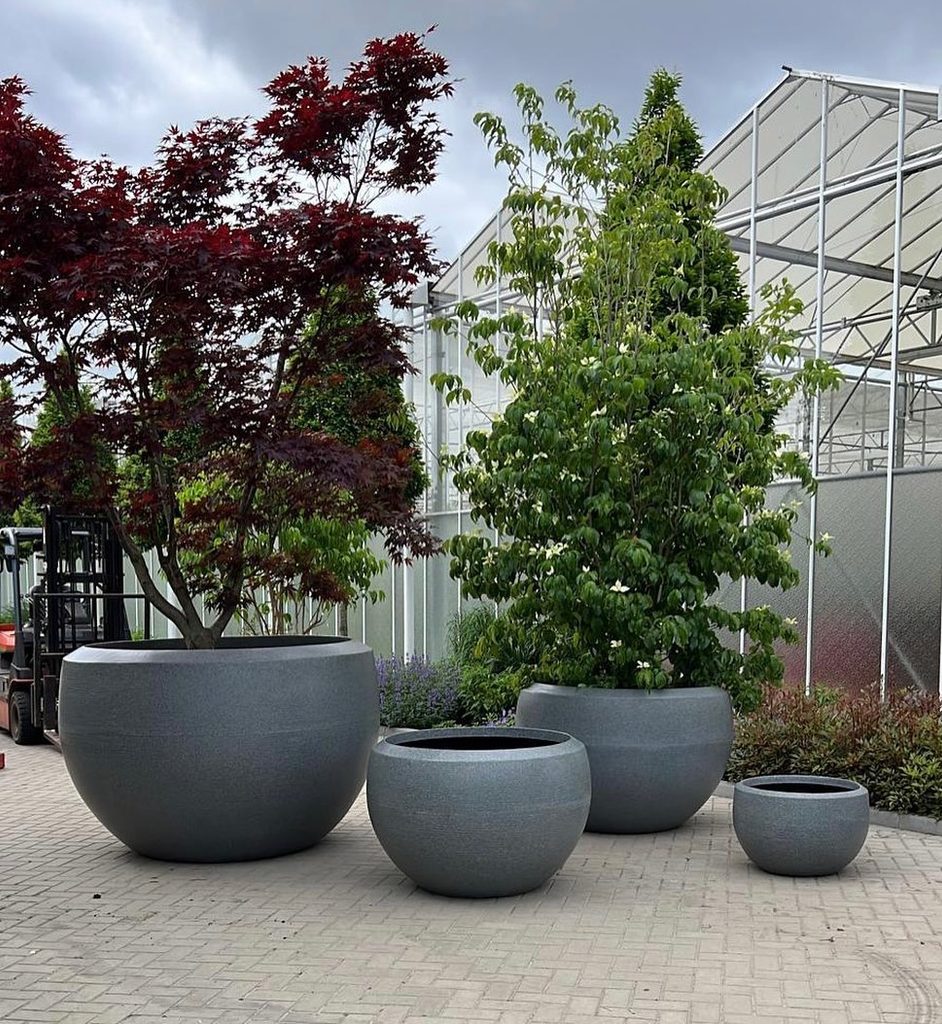
Oversized bowl planters give patios and entryways a strong focal point, especially when you pair them with a small ornamental tree. When considering how to fill large planters pots, start by deciding how much soil the tree needs to support healthy roots and steady growth.
Choose a lightweight container with suitable drainage and fill it with a quality potting mix suited to your tree. If the planter is especially deep, a raised false bottom designed for containers can reduce the amount of growing mix needed, provided it leaves enough room for the full root ball and allows water to drain freely.
Tall Planters With Greenery
Credit: @gardenersemporium
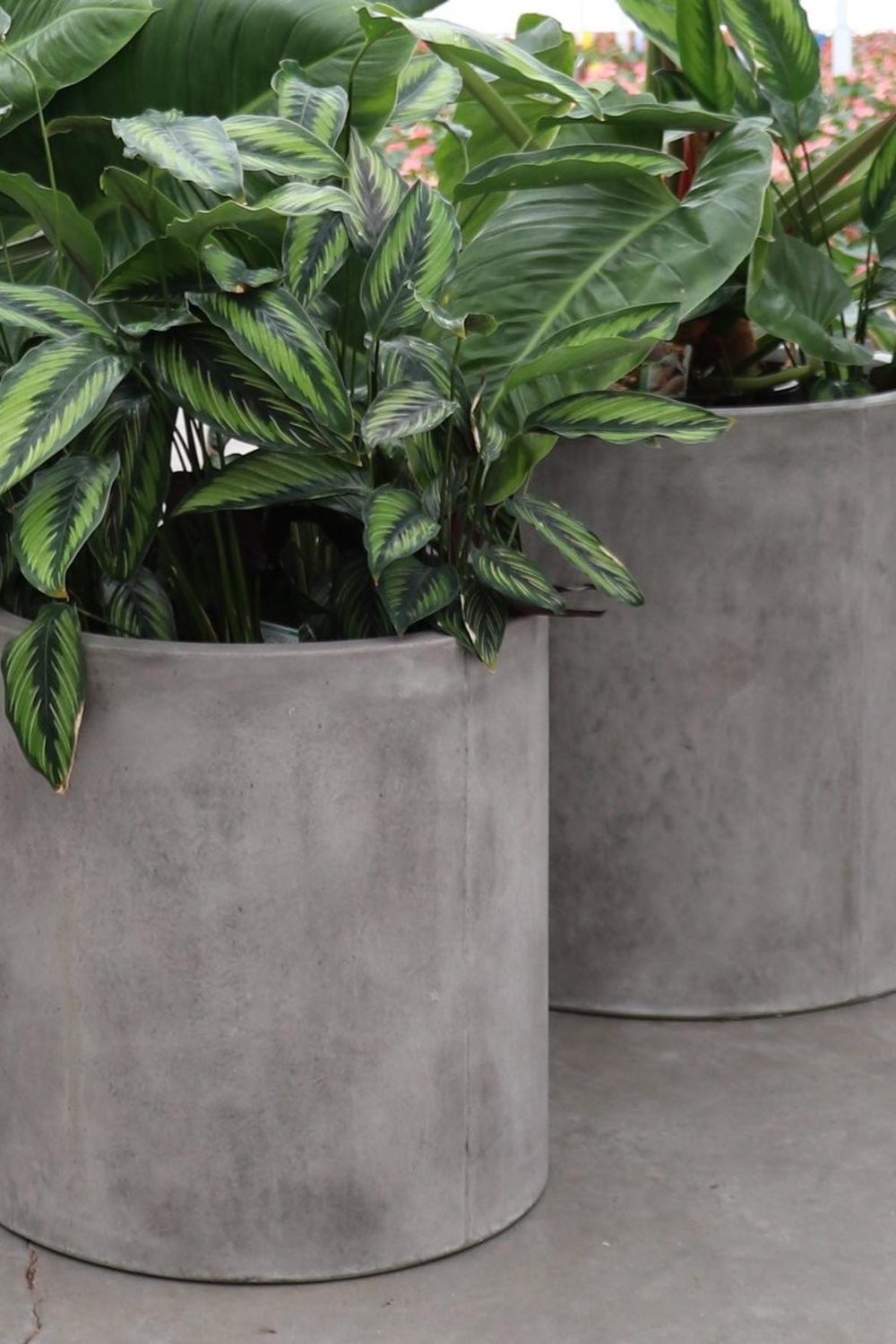
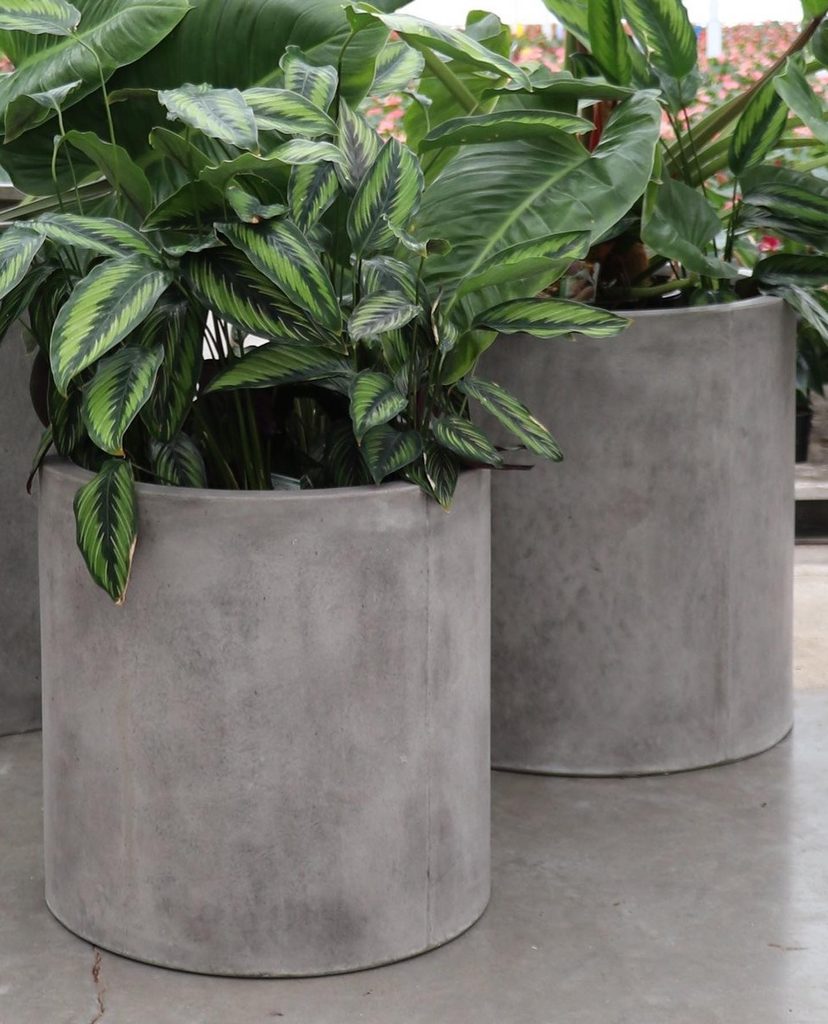
Tall cylindrical planters work well beside entrances, along walkways, and in covered outdoor spaces. Their height gives leafy plants room to stand out, while their simple shape suits both modern and traditional homes.
For how to fill large planters pots with tall plants, measure the root ball first and estimate the depth needed beneath it. Fill the container with suitable potting mix, keeping the plant at its original growing depth, and leave a little space below the rim for watering without spills.
White Planters With Texture
Credit: @thebalconygarden
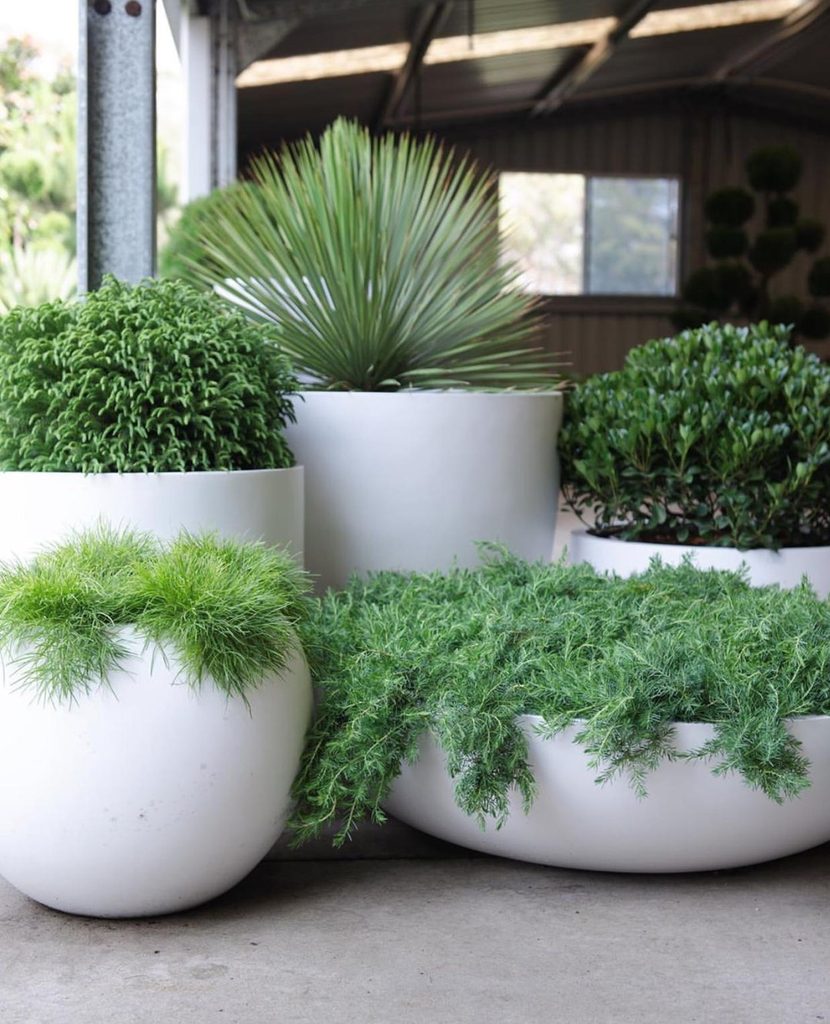
Rounded white planters are useful when you want greenery to soften a hard patio or covered outdoor area. Mixing upright shrubs with low grasses and spreading plants creates different heights, helping a simple collection of containers feel connected.
For how to fill large planters pots with several plant types, think about the mature size of each variety before planting. Use a well draining potting mix, position taller plants toward the back of the arrangement, and leave enough room for smaller plants to spread without crowding their neighbors.
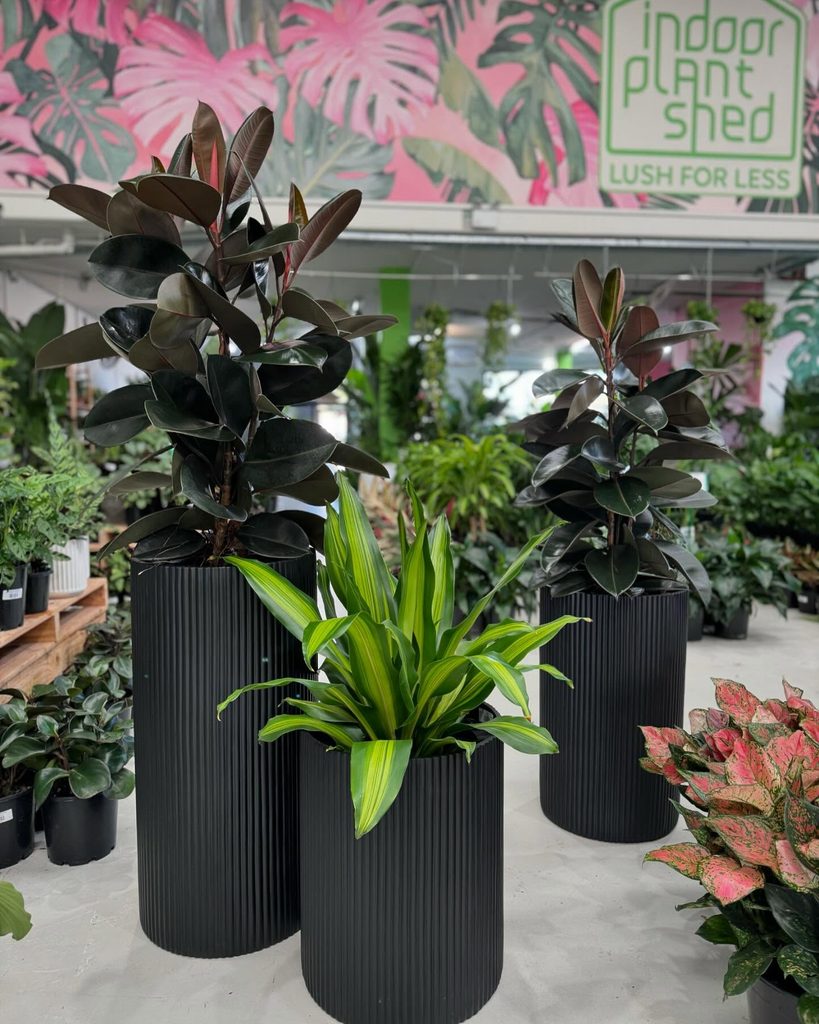
Black Ribbed Planters
Credit: @indoorplantshed
Black ribbed planters add texture to a room or sheltered patio, especially when filled with plants that have different leaf shapes and shades of green. Their dark finish creates a useful contrast with bright foliage, so the arrangement feels interesting without needing extra decoration.
When planning how to fill large planters pots for indoor greenery, consider a removable nursery pot inside the decorative planter. This arrangement makes watering and repotting easier, but empty any collected water after draining so the roots are not left sitting in it.
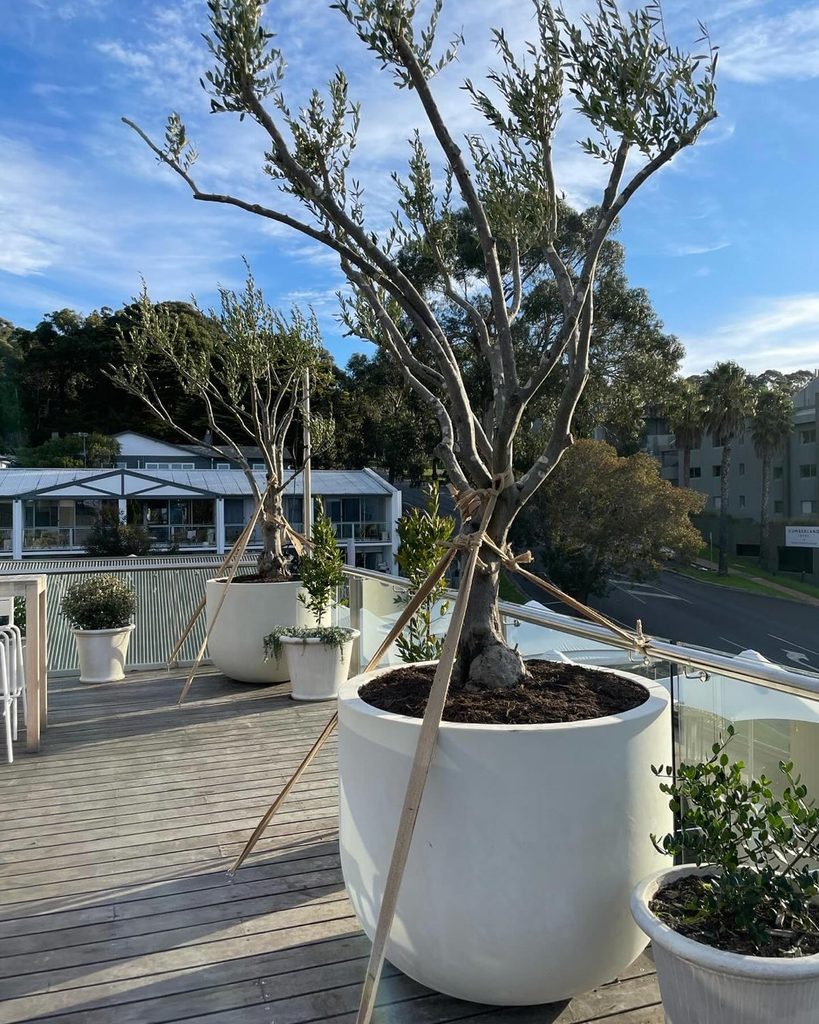
Rooftop Trees In White Pots
Credit: @kellockpotsnplanters
Large white planters help rooftop gardens feel open and calm, while small trees add height and a sense of privacy. The right container can also create separate areas for relaxing, dining, or enjoying a sunny morning outdoors.
When working out how to fill large planters pots on a rooftop, consider the total weight of the container, saturated growing mix, and mature plant. Check the roof’s load limits with a qualified professional, choose containers with secure drainage, and use a suitable potting mix instead of filling the base with heavy garden soil.
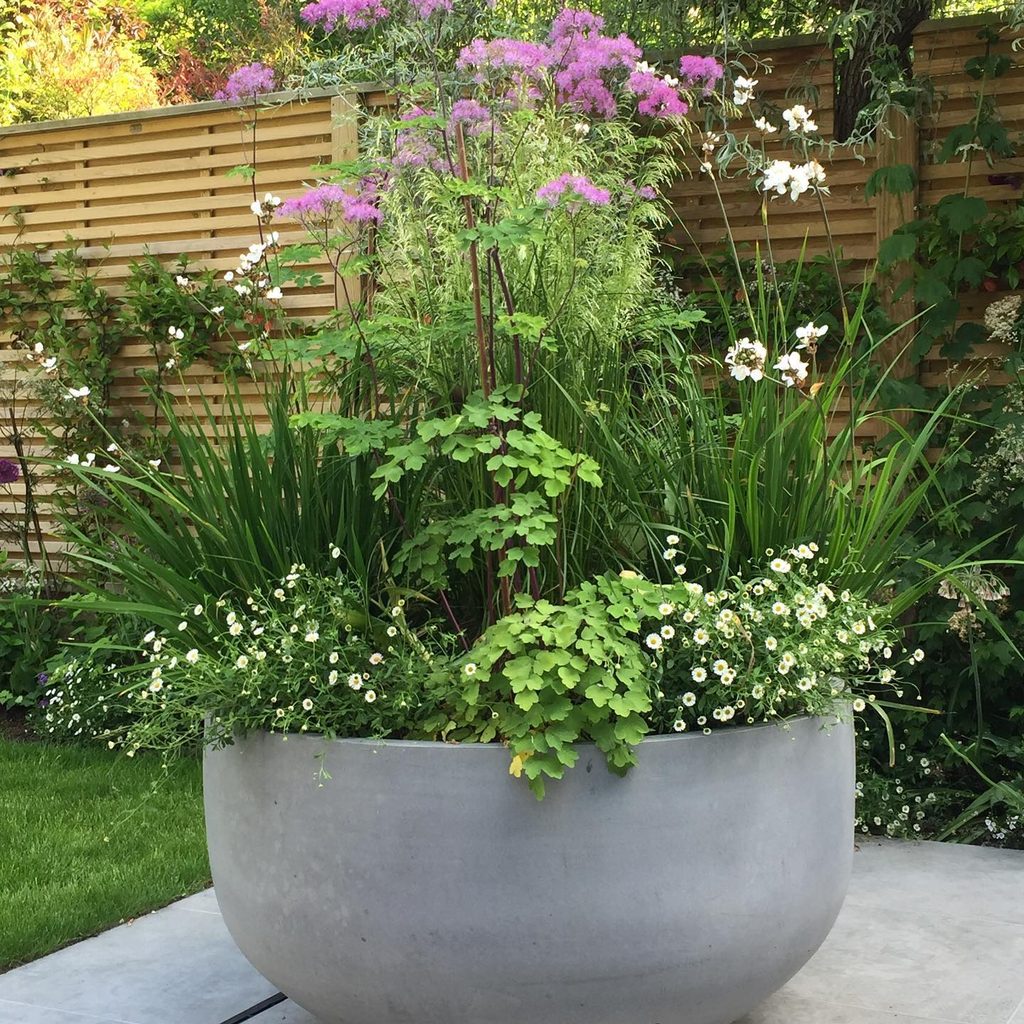
Mixed Plants In A Bowl
Credit: @shelleyhjgardens
A wide bowl planter gives you space to combine upright plants, flowering varieties, and soft trailing greenery. This arrangement works especially well near a seating area because the plants create a generous display without taking up the visual space of several separate pots.
For how to fill large planters pots with mixed plants, group varieties with similar sunlight, watering, and soil needs. Add enough potting mix to position every root ball at the right height, then fill around the roots gently without packing the mix too tightly.
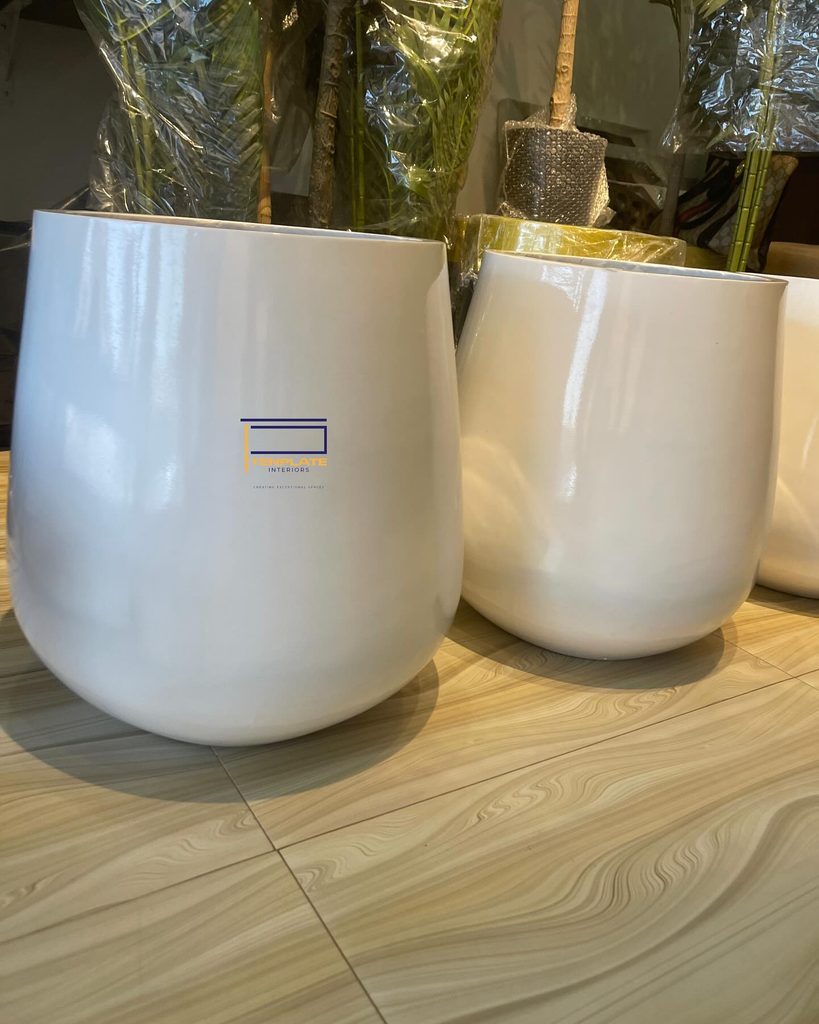
White Pots With Clean Lines
Credit: @tenplateinterior
Simple white pots suit homes where a quiet, uncluttered style feels most comfortable. Their smooth surfaces keep the attention on the plants, making them a practical choice for entrances, patios, and bright indoor corners.
When deciding how to fill large planters pots for this look, consider using a separate growing pot inside the outer container. This can reduce the amount of decorative space occupied by soil, while allowing you to remove the plant for watering, cleaning, or seasonal changes.
Tall Pots Against Dark Walls
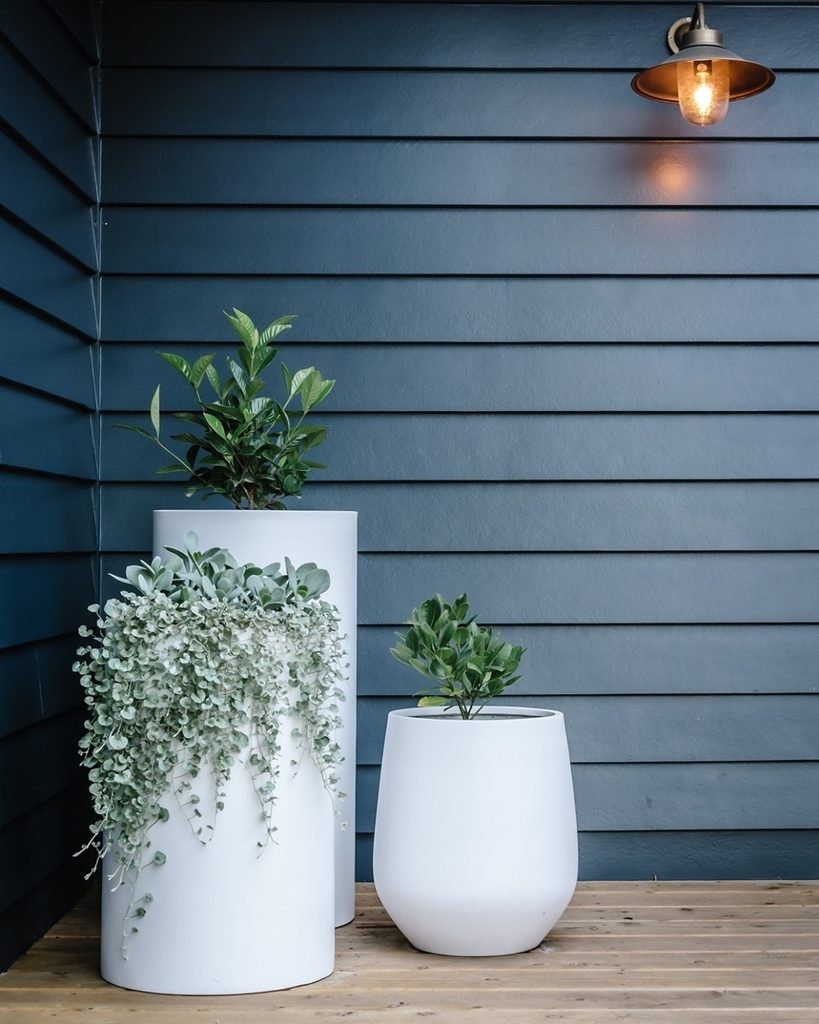
Credit: @thebalconygarden
Tall planters against a dark exterior wall create a quiet contrast that works well in a small courtyard or on a balcony. A combination of upright greenery and trailing foliage adds movement while keeping the floor area open.
If you are considering how to fill large planters pots in a narrow space, choose containers that fit comfortably without blocking doors or walking routes. Use a stable base, make sure drainage water has somewhere safe to go, and select plants suited to the light available beside the wall.
Porch Planters With Flowers
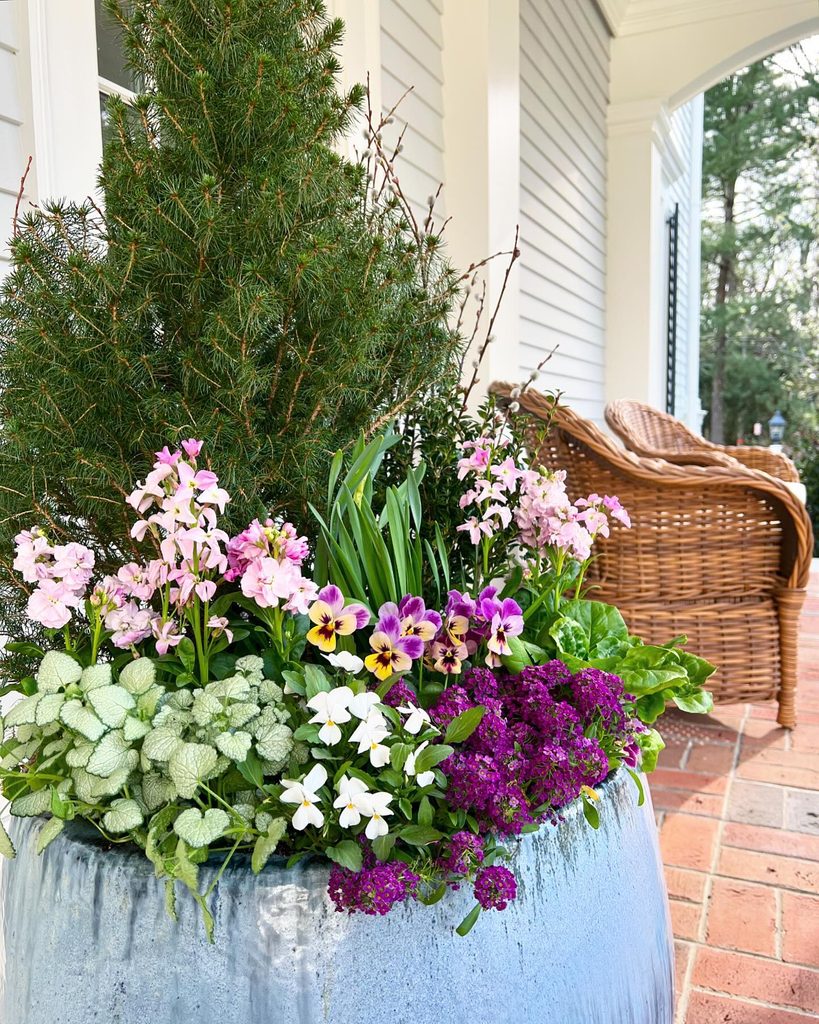
Credit: @thistlecontainers
A generously sized porch planter makes room for seasonal flowers, leafy fillers, and a taller evergreen or small shrub. This layered planting style gives an entrance a welcoming feel and offers opportunities to refresh the flowers as the seasons change.
For how to fill large planters pots with a seasonal arrangement, begin with the tallest plant and work outward with smaller varieties. Use a suitable potting mix throughout the root zone, water after planting, and leave enough room around the rim for flowers and trailing stems to grow.
Black Pots With Sculptural Plants
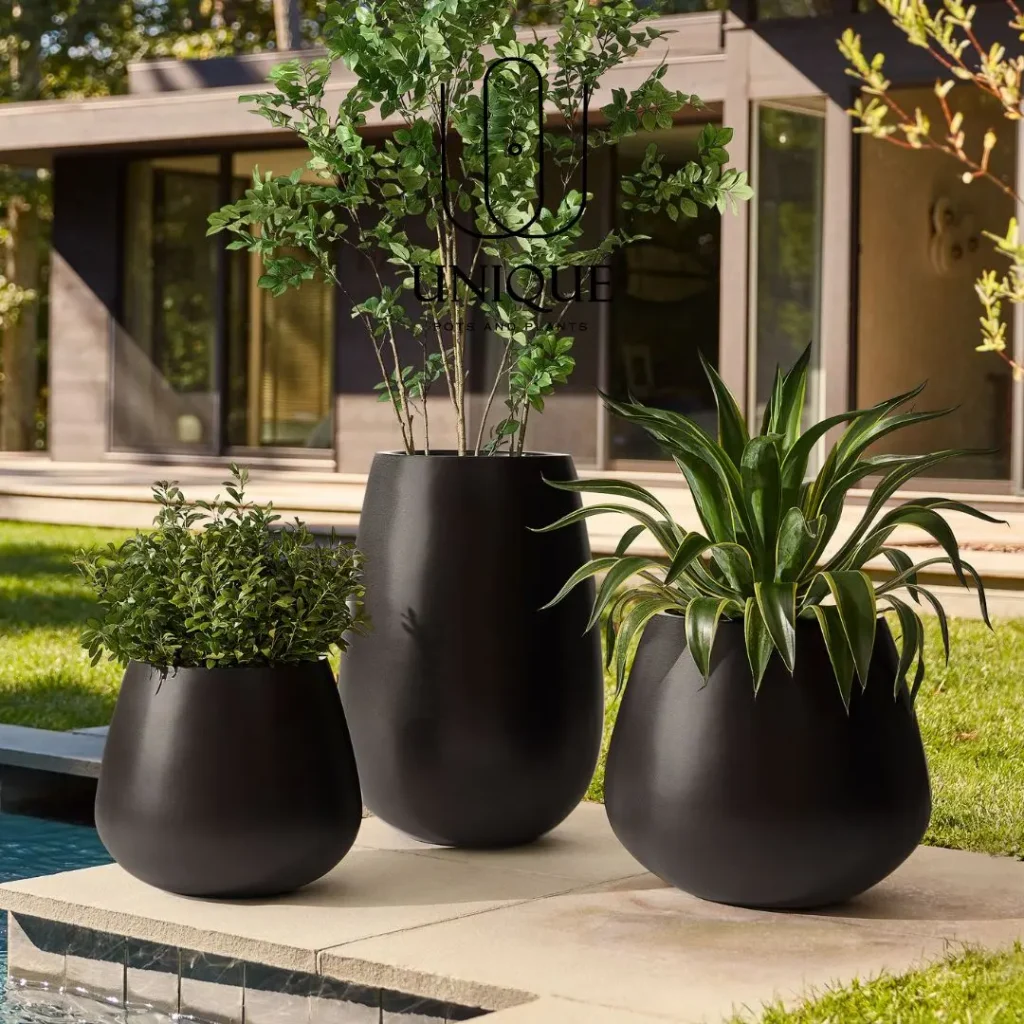
Credit: @uniquepotsandplantseg
Black planters with rounded shapes suit patios, poolside areas, and contemporary gardens. Pairing a leafy shrub with a plant that has long, pointed leaves adds contrast, while keeping the container colors consistent helps the group feel coordinated.
When planning how to fill large planters pots for a contemporary outdoor space, consider both appearance and plant health. Choose a container deep enough for the roots, use a free draining growing mix, and make sure each plant receives the sunlight and water it needs.
Choosing What Goes Inside Large Planters
The material inside a large planter affects drainage, root growth, weight, and how often you need to water. Before deciding how to fill a container, consider the plant’s mature size, the depth of its roots, and whether the planter sits indoors or outdoors.
A common mistake is filling the bottom with rocks, gravel, or broken pottery to improve drainage. These materials do not improve drainage in the way many people expect, and they can leave a saturated layer of potting mix above them. A consistent growing medium with open drainage holes is generally a better choice.
For most planted containers, a quality potting mix is a sensible starting point. It is designed for container growing and typically holds moisture while allowing air to reach the roots, unlike dense garden soil that can become compacted inside a pot.
Getting Large Planters Ready For Planting
Start by checking the drainage holes and making sure they are open. If the planter has no drainage, consider using it as a decorative outer container for a removable growing pot, and empty any water that collects after watering.
Next, estimate the amount of potting mix required by measuring the container’s usable depth and width. You can place the plant in its nursery pot inside the empty planter to check the height before adding the growing medium, leaving enough space below the rim for watering.
When learning how to fill large planters pots, remember that the plant’s root ball determines the final soil level. Set the root ball at the correct height, fill around its sides, and avoid burying the stem or trunk deeper than it was growing previously.
Water slowly after planting so the mix settles around the roots. If the level drops slightly, add more mix as needed, keeping the top of the root ball at the correct height and leaving a small watering space below the rim.