
Live Beautifully at Home


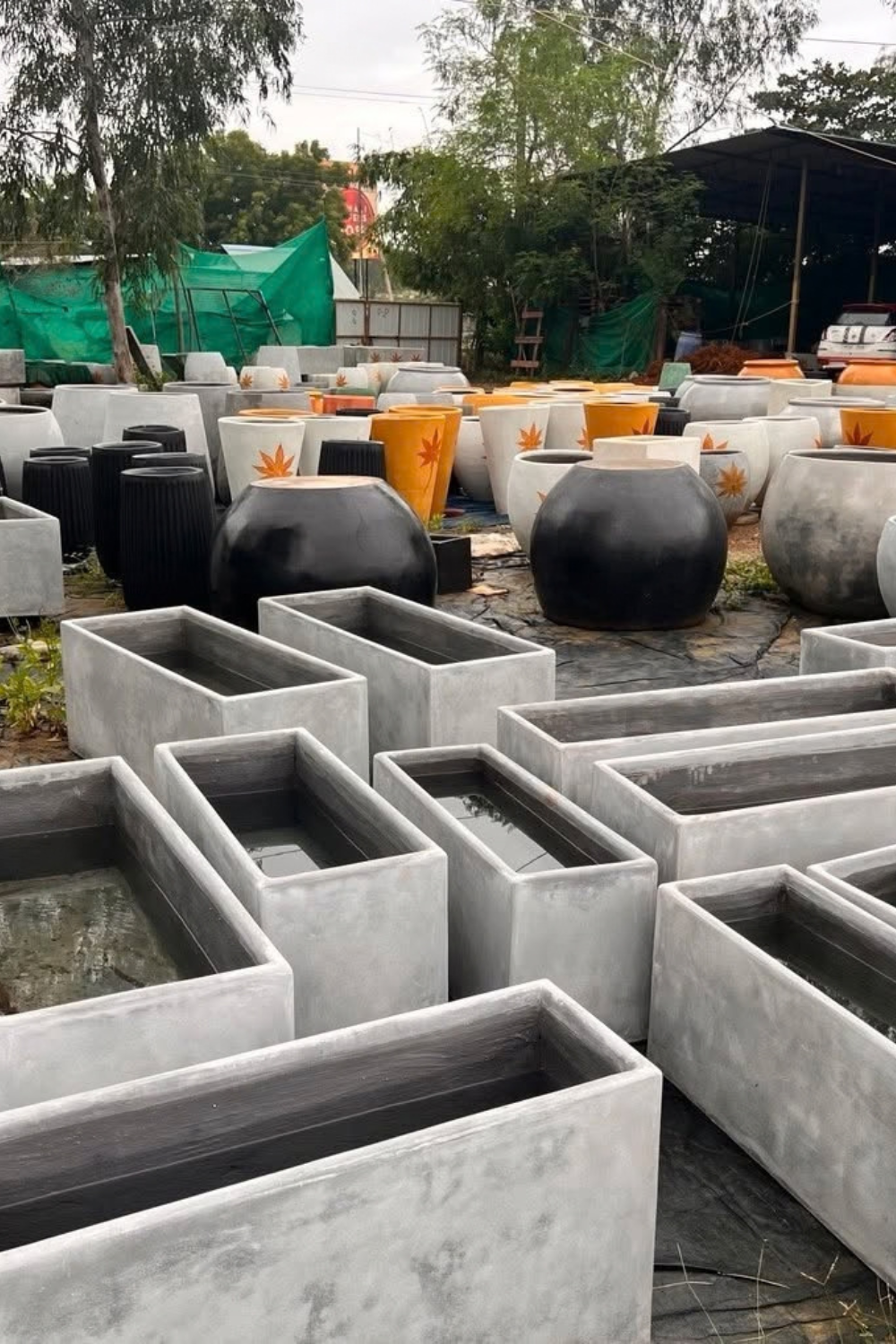
9 Beautiful diy concrete planters Ideas You Can Make at Home

Image Notice. Some images featured in this article may originate from third-party sources and are used for illustrative purposes only. Please review our Image Credits Policy for full attribution information.
diy concrete planters Ideas can give an outdoor space a grounded, simple look without making the garden feel overly decorated. Concrete works especially well when you want planters that feel substantial, steady, and easy to pair with leafy plants, herbs, flowers, or sculptural greenery.
The best diy concrete planters Ideas also give you room to play with shape and scale. A wide bowl can anchor a patio corner, while a tall planter can add height near an entry or create a stronger frame around a garden bed.
Concrete has a natural gray tone that works with many garden styles. You can leave it raw for a simple finish, soften it with paint, or add texture through the mold itself.
The material also makes it easier to create containers in shapes that are difficult to find in ordinary garden stores. With a little planning, your planters can feel connected to the architecture of your home while still giving plants plenty of attention.
Choose your mold based on where the planter will live, not only on how it looks. A large container can become very heavy once filled with soil and water, so check the surface and plan for easy access before you begin.
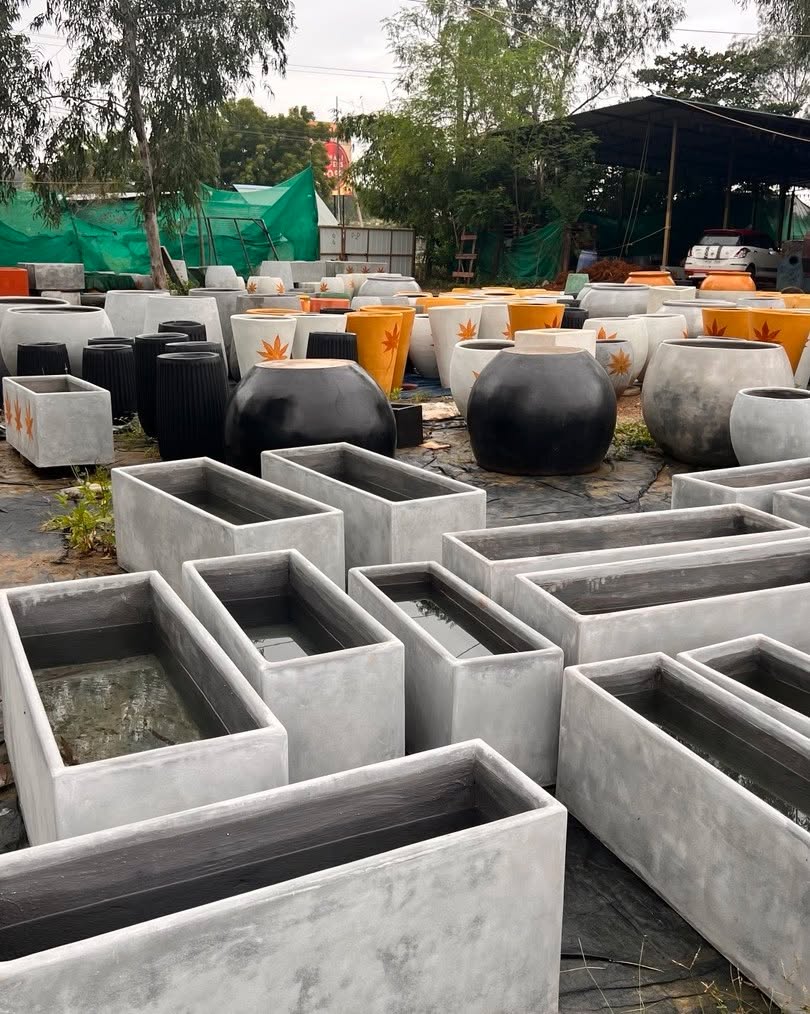
Mixed Rounded Planters
Credit: @auro_green_pots
diy concrete planters Ideas work beautifully when several rounded forms are used together. Different heights and widths give a garden a relaxed rhythm, so the space feels collected without needing many extra decorations.
This approach is especially useful for a large patio or open garden area that needs more structure. Place the largest planter toward the back, then use medium and smaller containers around it to create a gentle change in height.
Simple Raw Concrete Forms

Credit: @beton_hout_concrete
diy concrete planters Ideas do not need complicated molds or strong colors to make an impact. Simple round forms with a soft gray finish can bring a calm, modern feeling to a patio, porch, balcony, or sunny indoor corner.
The quiet surface lets the plants provide most of the color. This is a useful choice when your home already has plenty of decorative details and you want the garden containers to keep the overall space calm.
For a budget friendly project, keep the mold shape basic and spend more care on smooth edges and proper drainage. A few simple forms can also be made in different sizes, giving you a matching set without needing every planter to be identical.
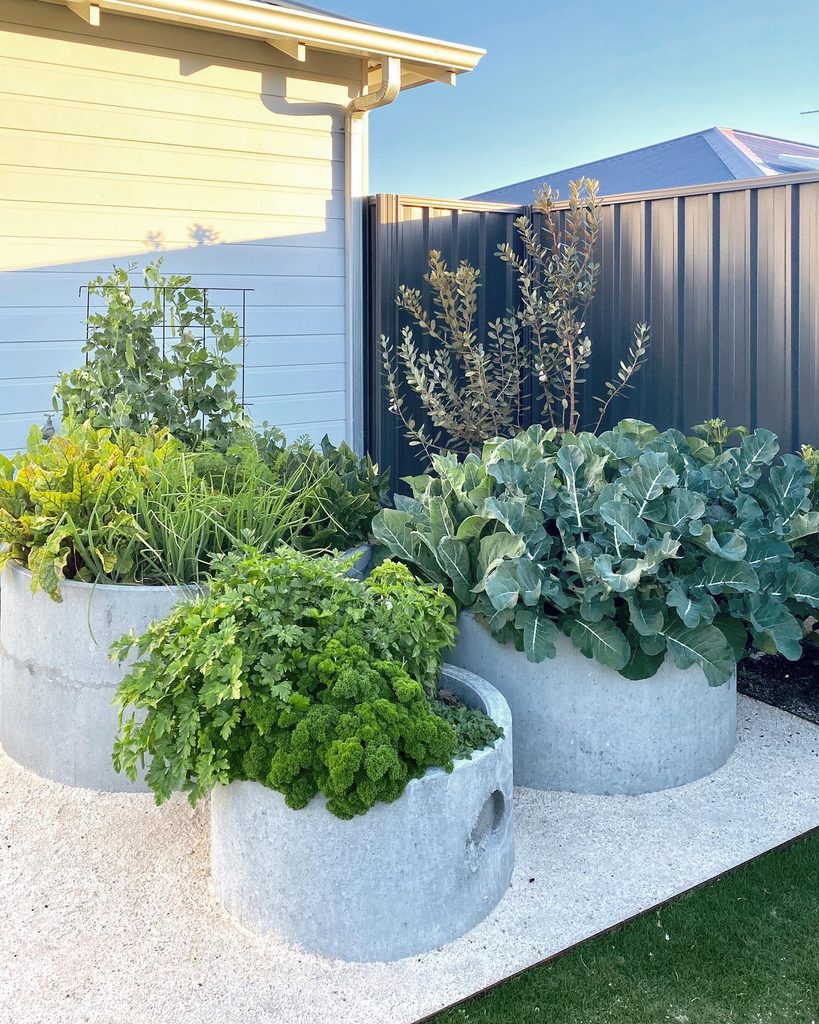
Raised Herb Garden Containers
Credit: @bonniebruce_landscapes
diy concrete planters Ideas can turn a small outdoor area into a useful growing space. Large containers are especially helpful for herbs and vegetables because they keep edible plants organized and make the garden easier to reach.
A raised planting area can be useful beside a kitchen door, along a sunny wall, or near an outdoor dining space. Keeping herbs close to where you prepare meals makes regular harvesting feel simple instead of like another garden task.
Choose a depth that suits the plants you want to grow, and leave enough room around each container for watering and harvesting. This approach pairs naturally with Cheap Raised Garden Beds Ideas when you want to grow food without building a traditional garden bed.
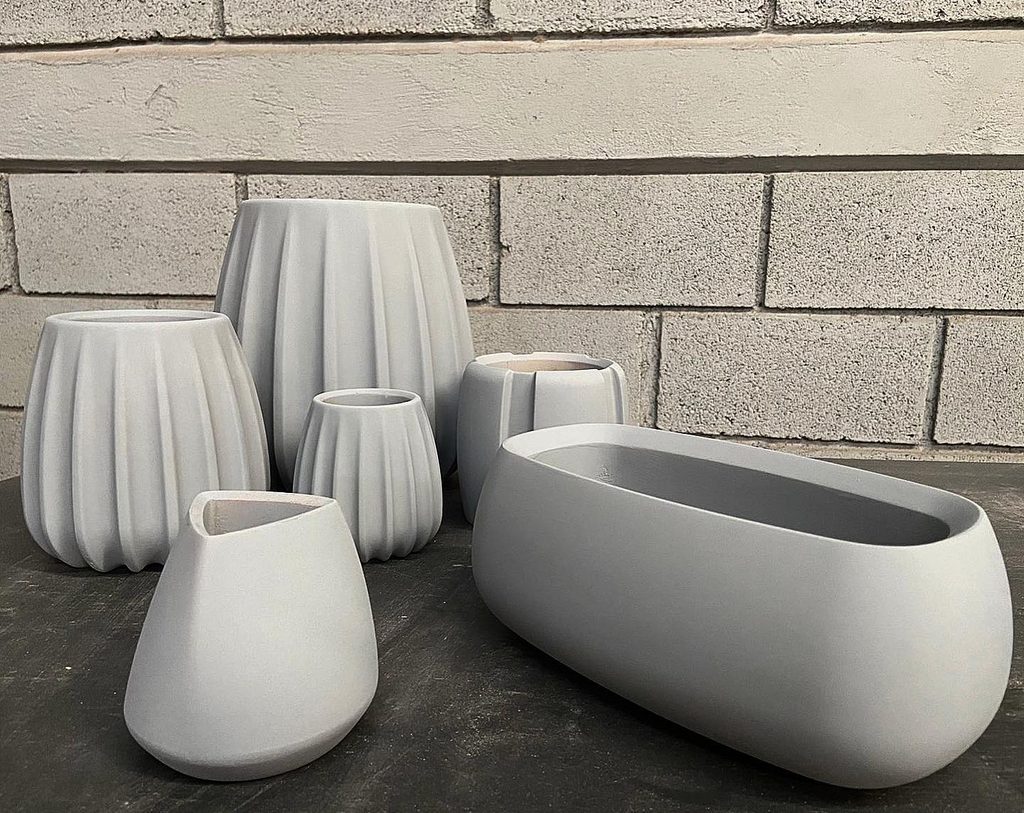
Long Rectangular Planters
Credit: @mulcrete
diy concrete planters Ideas can also take a long rectangular shape when you need to define a path, patio edge, or outdoor seating area. The clean lines create a strong border, while the plants soften the hard shape with leaves and movement.
Long containers are especially useful in narrow spaces where several round pots might make the area feel crowded. A rectangular planter can sit neatly against a wall or fence while creating a clear planting zone.
Use one long planter as a simple divider or place several at different points to guide how people move through the garden. Rectangular forms are also useful when you want to combine several smaller plants in one container without using many separate pots.
Consider the mature size of every plant before filling the container. Leaving enough space between plants prevents the arrangement from becoming crowded and gives each plant room to develop without competing for light.
Dark Entryway Planters
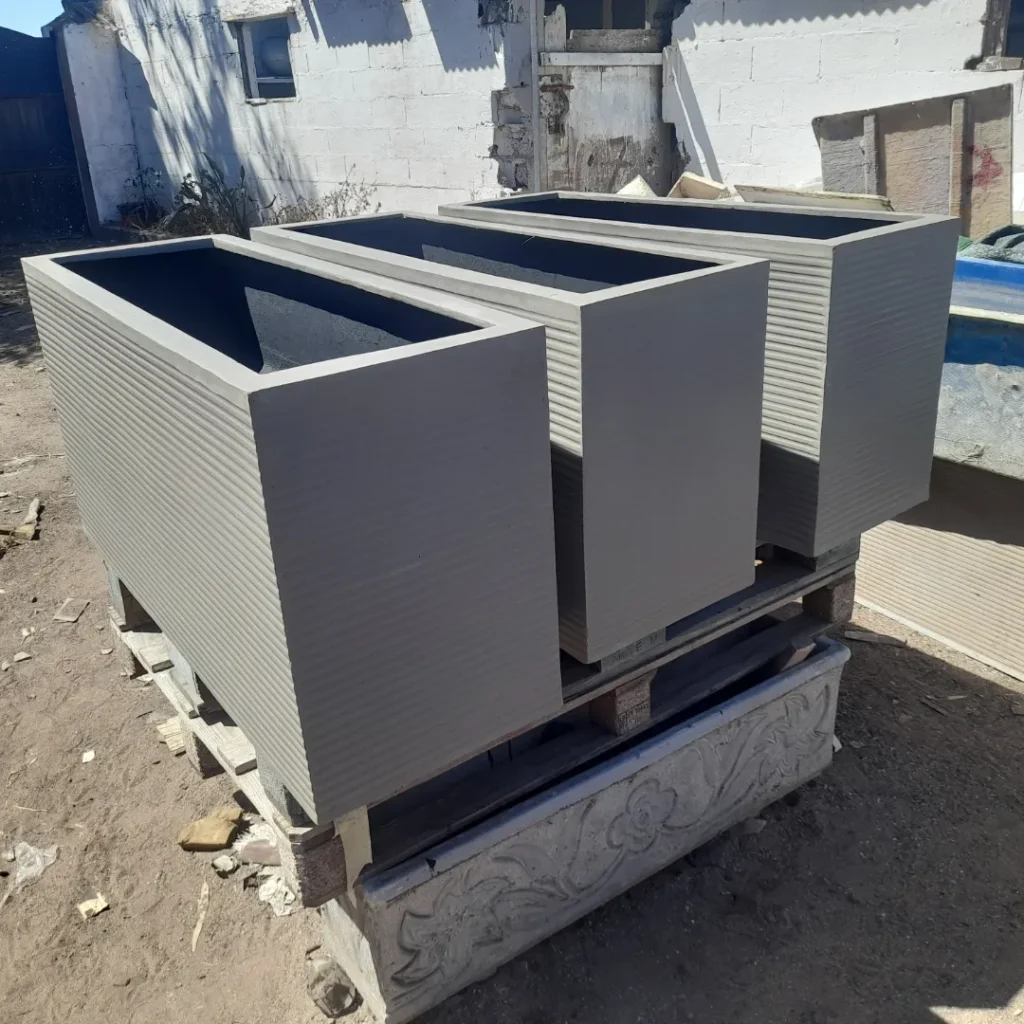
Credit: @polystone_maroc
diy concrete planters Ideas can feel especially strong when the containers use a deep charcoal or black finish. Dark planters create a quiet frame for pale walls, bright paving, and plants with silvery, green, or red edged leaves.
This color choice works particularly well around an entry because it creates a visual connection with dark doors, window frames, gates, or outdoor lighting. The containers can help make the entrance feel more structured without adding a lot of decoration.
Small Pots in Groups
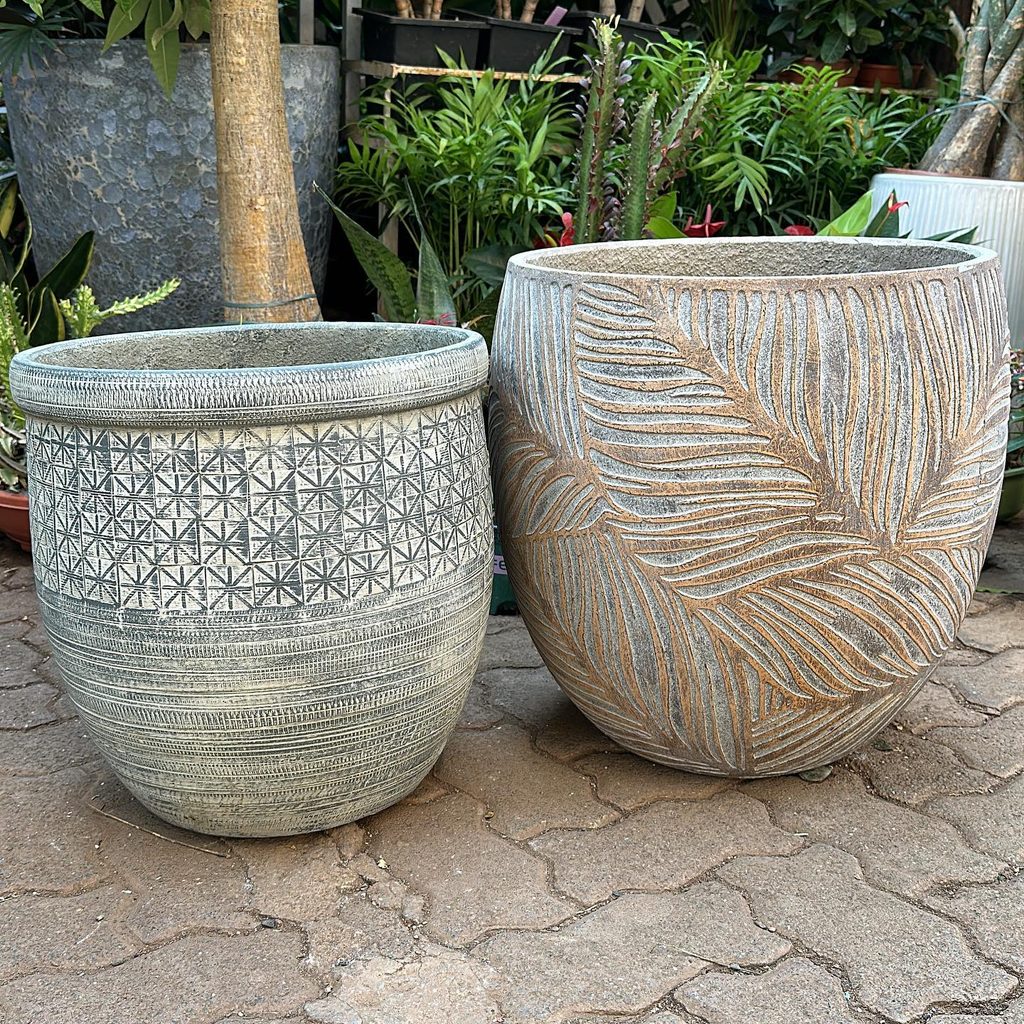
Credit: @sparrowdesign18
diy concrete planters Ideas are not limited to large outdoor containers. Smaller pots can be grouped on steps, shelves, tables, or low garden walls, giving you a flexible way to add plants where a large container would feel too heavy.
Small concrete pots are also helpful for renters or anyone who likes to change the arrangement often. They can be moved between sunny and shaded areas, brought indoors when needed, or rearranged when the garden changes through the seasons.
Try grouping three or five pieces with different heights while keeping their material and color related.
A Collection of Round Pots
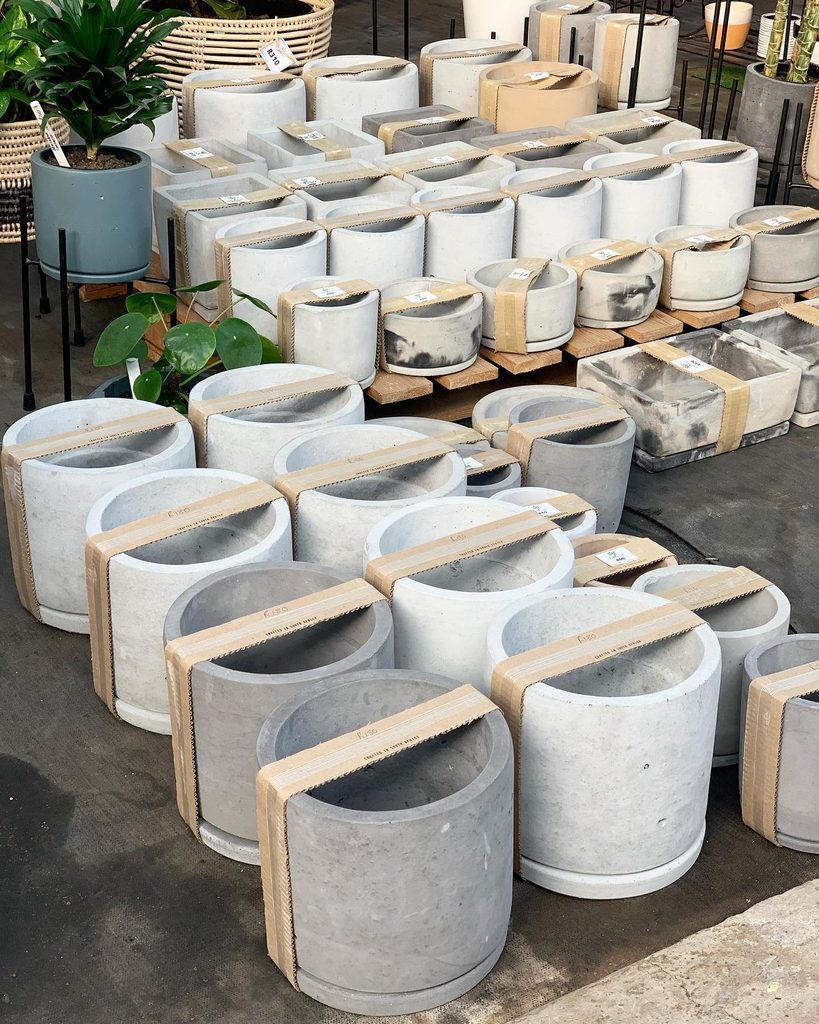
Credit: @thegreenhouseshopsa
diy concrete planters Ideas can become a whole garden language when the same material appears in several shapes and sizes. A collection of round pots creates continuity, while changes in height keep the planting area from feeling flat.
This idea works especially well when you have a larger outdoor space that needs repeated shapes to connect separate areas. Matching materials can visually link a patio, pathway, garden entrance, and seating area without requiring identical plants everywhere.
Start with one larger container and build around it with medium and small pieces. This makes it easier to control your budget because you can add containers slowly instead of buying a complete set at once.
Tall Fluted Planters
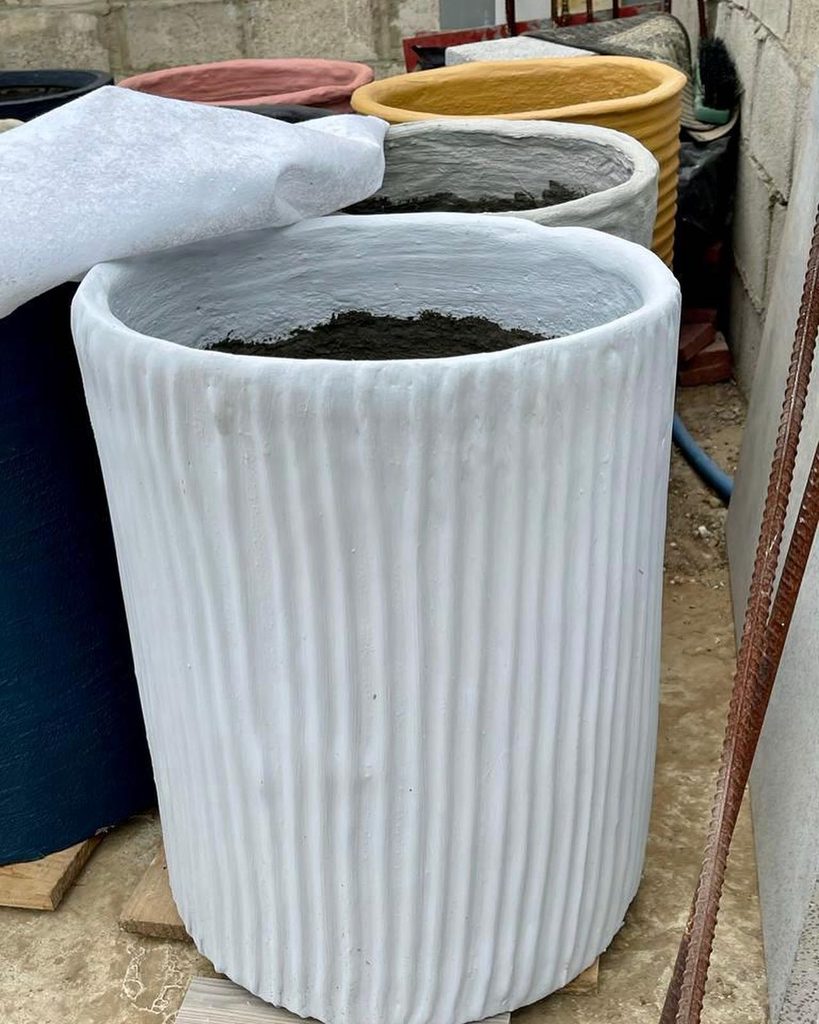
Credit: @thereadyhand
diy concrete planters Ideas can add height when a garden feels too low or open. A tall fluted planter gives a vertical shape to patios, entrances, and narrow corners while leaving the floor area clear for walking.
Tall planters can also help frame a doorway or mark the beginning of an outdoor seating area. They are useful when you want stronger vertical structure without building a permanent garden feature.
Choose a stable base when making a tall planter, especially in areas that receive strong wind. A wider lower section and a suitable plant can help the container feel balanced while still giving you the height you want.
Textured Statement Pots
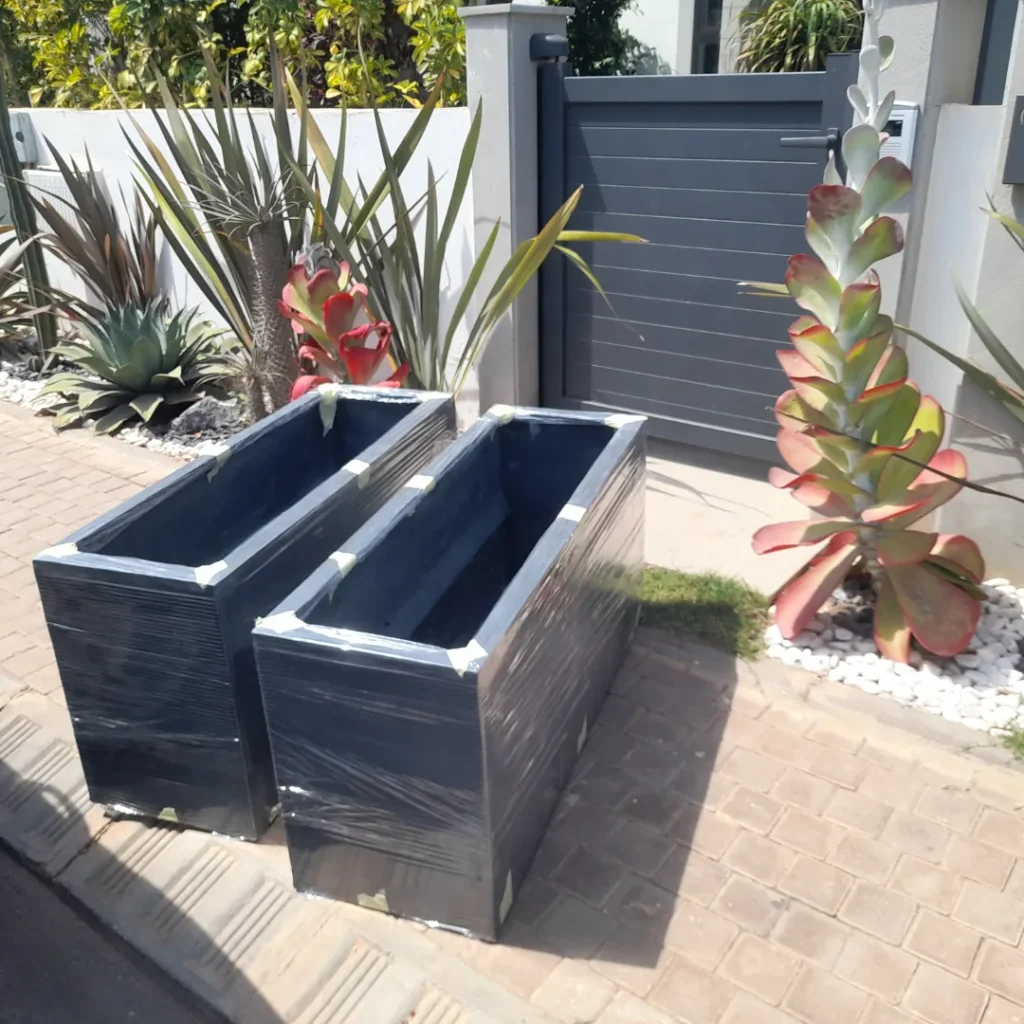
Credit: @polystone_maroc
diy concrete planters Ideas can include texture without relying on bright color. A carved or patterned surface adds interest to a plain garden corner and gives the planter enough character to stand on its own.
Textured containers are a good choice when the surrounding garden has simple paving, plain walls, or minimal furniture. The surface catches natural light and creates small changes across the container as the sun moves during the day.
Making DIY Concrete Planters Ideas Work
When choosing diy concrete planters Ideas, start with the location before choosing the mold. Measure the space, check how much sunlight reaches it, and decide whether the planter needs to stay in place once it is filled.
Think carefully about how people move around the garden. A container may fit beautifully beside a door but become a problem if it blocks the opening, narrows a walkway, or makes it difficult to reach a hose or outdoor storage area.
Weight matters because concrete becomes much heavier after soil and water are added. For balconies, raised decks, and other areas with weight limits, choose smaller forms or lightweight mixes and check the structure before placing large containers.
Drainage should be part of the plan from the beginning. Water needs a clear way out, so include drainage holes and place the planter where excess water will not collect against walls, paving, or wooden surfaces.
The shape should also match the plant. Wide containers suit herbs and plants that spread, while deeper forms can give taller plants better support and room for roots.
Caring for DIY Concrete Planters Ideas
Good diy concrete planters Ideas should be easy to live with after the project is finished. Before adding soil, allow fresh concrete to cure fully according to the mix instructions, then rinse away loose dust and check the drainage opening.
Concrete can hold moisture for a while, so avoid keeping the soil constantly wet. Use a suitable potting mix for the plant and water according to its needs instead of following one schedule for every container.
If the planter has a drainage hole, raise it slightly from the ground when possible. Small feet or a suitable base can improve airflow underneath and help excess water move away from the bottom.
If you live where winters are cold, pay attention to freezing weather. Water inside porous concrete can expand when it freezes, so moving smaller planters under cover and keeping large containers well drained can help reduce cracking.
Surface color can also change over time. That natural aging can suit outdoor spaces, but if you want a cleaner appearance, remove dirt gently and avoid harsh cleaning methods that may damage the surface.

[…] raised planters can make a rooftop feel like a proper garden while keeping the planting organized. They are especially helpful when you want to combine […]