
Live Beautifully at Home


How to Brighten a Dark Kitchen and Make It Feel Light, Warm, and Welcoming
 Rhonda
My Blue Creek Home Founder & Editor
I spent over 12 years in decorative painting and faux finishing, starting with a faux finishing company I co-owned in Mississippi that...
November 23, 2026
13 min read
Leave a comment
Image Notice. Some images featured in this article may originate from third-party sources and are used for illustrative purposes only. Please review our Image Credits Policy for full attribution information.
A dark kitchen can make the whole home feel a little heavier. Even when the counters are clean and everything has its place, a lack of natural light, dark cabinets, heavy window coverings, or poorly placed lighting can make the room feel smaller than it is. If you have ever stood in your kitchen during the afternoon and wondered why it still feels gloomy, I understand exactly what you mean. Learning how to brighten a dark kitchen does not mean spending thousands of dollars on a full renovation.
Sometimes, the biggest changes come from looking at the light you already have, choosing softer colors, and making a few thoughtful adjustments. I love a kitchen that feels fresh and welcoming, but I also believe it needs to be practical. You still need comfortable work surfaces, storage, and finishes that are easy to live with. The goal is to bring more light into the room without losing the warmth that makes a kitchen feel like home.
A kitchen can have beautiful cabinets, lovely countertops, and expensive appliances, yet still feel dark if the lighting and colors are working against each other. This is why I would look at the entire room before spending money on new furniture or expensive finishes.
The good news is that you can make a noticeable difference in stages. I would start with the simplest changes, then move toward paint, lighting upgrades, and other improvements if the room still needs help. You do not have to do everything at once.
Quick Tips I Would Start With
- Replace dim bulbs with warm white LED bulbs between 3000K and 3500K.
- Remove heavy curtains that block daylight and choose light filtering window coverings.
- Keep countertops as clear as possible so light can travel across the room.
- Choose lighter colors for walls, backsplashes, and larger decorative pieces.
- Add under cabinet lighting to brighten work surfaces and darker corners.
What You Will Need
The supplies depend on how much you want to change, but these are the items I would consider first.
- Warm white LED bulbs, approximately $8 to $20 for a multipack.
- Under cabinet LED light strips, approximately $15 to $45.
- Light colored kitchen paint, approximately $35 to $65 per gallon.
- Paint rollers, brushes, painter’s tape, and drop cloths, approximately $20 to $40.
- Light filtering window shades, approximately $20 to $60.
- Cabinet hardware in brushed brass or brushed nickel, approximately $25 to $70 for a small set.
- A microfiber cloth and gentle kitchen cleaner, approximately $8 to $15.
- A small decorative tray or light colored accessories, approximately $10 to $30.
How I Would Brighten a Dark Kitchen by Finding the Real Problem First
Before buying anything, I would spend a little time understanding why the kitchen feels dark. This sounds simple, but it can save you from spending money on changes that do not solve the problem.
Start by looking at the room during different times of the day. Notice where the natural light enters, which areas stay shadowy, and whether the kitchen feels darker in the morning or afternoon.
Sometimes, the problem is not the size of the window. It is the way furniture, curtains, tall cabinets, or decorative items block the available light.
I would also look at the colors already in the room. Dark brown cabinets, black countertops, deep wall colors, and dark flooring can absorb a lot of light. When several of these finishes appear together, the kitchen can feel closed in.
Take a few photos from different corners. Photos often make it easier to notice areas that your eyes have become accustomed to seeing every day.
Pay attention to these details:
- Are the windows covered by thick curtains?
- Do the cabinets have a dark or reddish finish?
- Is there only one ceiling light?
- Are the countertops covered with appliances and decorations?
- Does the backsplash create a dark strip across the walls?
- Are there corners where you struggle to see while preparing food?
I would write down the three things that bother you most. This gives you a starting point and helps you focus on changes that make a real difference.
There is no reason to repaint every cabinet if the main problem is poor lighting. Likewise, adding brighter bulbs will not solve everything if dark finishes cover most of the room.
Credit: Canva
How I Would Brighten a Dark Kitchen With Better Lighting
Lighting is one of the first things I would address because it changes how every other color and finish looks.
A single ceiling light rarely provides enough illumination for an entire kitchen. It may brighten the middle of the room while leaving the counters, sink, and cooking areas in shadow.
I prefer layered lighting because each type has a different purpose. You want general light for the whole room, focused light for preparing food, and softer light that makes the kitchen comfortable in the evening.
Start with the ceiling fixture. If the current light is old, dim, or poorly positioned, consider replacing it with a brighter flush mount fixture or a simple pendant.
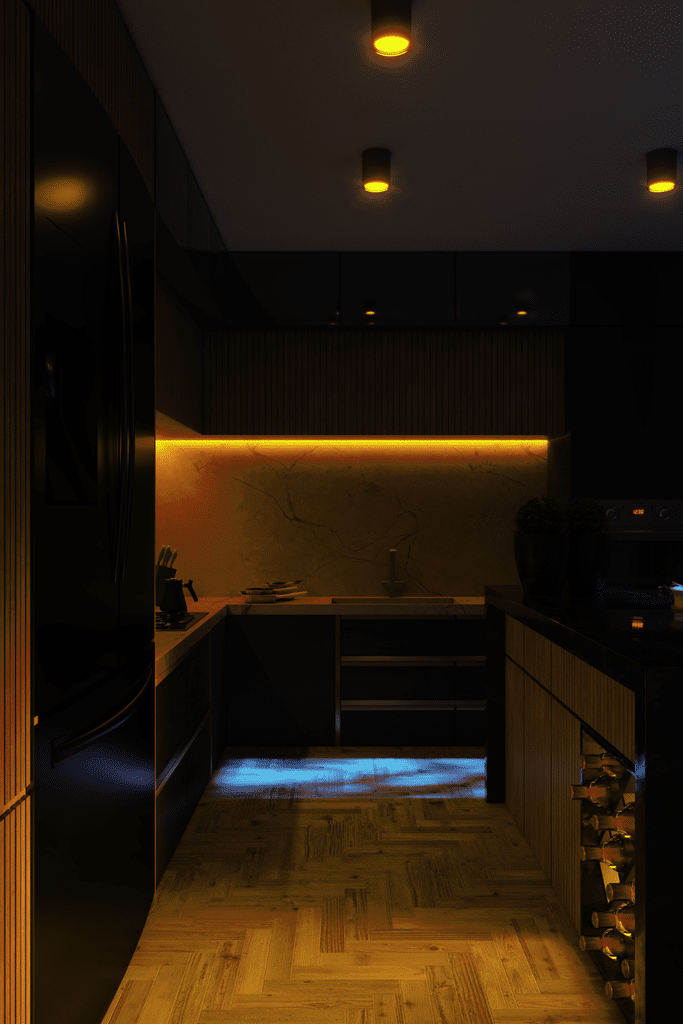
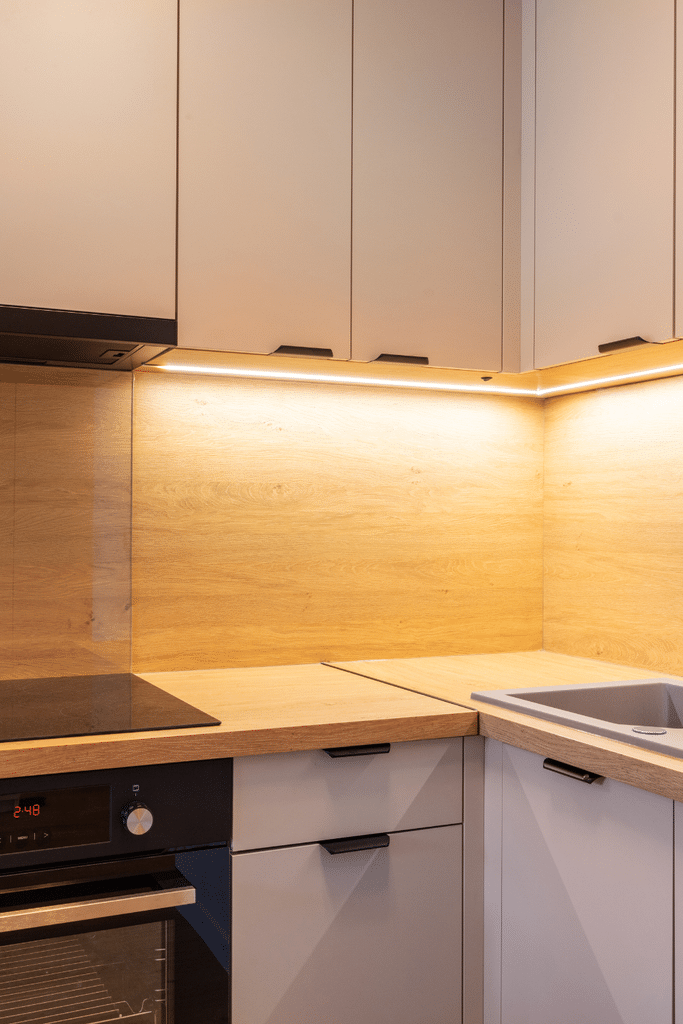
This is where under cabinet lighting makes a noticeable difference. LED strips are affordable, easy to find, and available in plug in or rechargeable options.
I would choose a continuous light strip with an even glow. Small individual lights can leave bright spots between darker areas, which is not the effect I want.
Here is how I would layer the lighting:
- Ceiling lighting for general room illumination.
- Under cabinet lighting for food preparation.
- Pendant lighting above an island or peninsula.
- A dimmable fixture for comfortable evening lighting.
For work areas, a brightness of around 300 to 500 lux is a useful target. General kitchen lighting can be softer, depending on the room and the amount of daylight.
If you are replacing electrical fixtures, have the wiring and installation checked by a qualified electrician. This is especially important when adding new lighting points.
Credit: Canva
How I Would Brighten a Dark Kitchen With Lighter Paint Colors
Paint can change the entire feeling of a kitchen without requiring a major renovation. However, I would be careful about choosing white simply because the room feels dark.
Not every white looks the same. Some whites have cool blue undertones, while others have warm yellow or beige undertones. The wrong shade can make a kitchen feel cold, especially if it receives very little natural light.
My favorite starting point is a soft warm white. It reflects light beautifully while keeping the room comfortable.
Cream, pale ivory, light greige, and very soft beige are also lovely options. These colors work especially well when you want a brighter kitchen that still feels warm.
How I Would Brighten a Dark Kitchen Without Replacing the Cabinets
Dark cabinets are one of the biggest reasons a kitchen can feel heavy. But replacing them is expensive, and I would not rush into that decision.
If the cabinet doors are in good condition, painting them can be a sensible alternative. A fresh coat of warm white, pale greige, or light cream can change the entire room.
Before choosing a color, look at the countertops. This is a detail I would never ignore.
For example, if you have dark granite with warm brown flecks, a creamy cabinet color may work beautifully. If the countertop has cool gray veining, a cleaner white or pale gray might be a better match.
I would also consider painting only the upper cabinets. Keeping the lower cabinets darker can create a balanced look while making the upper part of the kitchen feel lighter.
This works particularly well with navy, charcoal, forest green, or medium wood cabinets.
Cabinet painting takes patience. The preparation is just as important as the paint itself.
Start by removing the cabinet doors, drawer fronts, and hardware. Label each door so you know exactly where it belongs when it is time to put everything back.
Clean every surface with a suitable degreasing cleaner. Kitchen cabinets collect grease from cooking, even in places that appear clean.
How I Would Brighten a Dark Kitchen by Making the Windows Work Harder
Natural light is free, so I would make the most of it before spending money on decorative lighting.
Start by cleaning the windows thoroughly. Dust, grease, and marks can make glass look cloudy and reduce the amount of daylight entering the kitchen.
Then look at the window coverings. Heavy curtains, dark valances, and thick blinds can block light even when the windows are uncovered.
I prefer simple window treatments that let daylight enter while still offering some privacy.
Light filtering roller shades are a lovely option. They soften strong sunlight without making the room feel closed in.
For a more relaxed look, consider a simple linen cafe curtain that covers only the lower half of the window. This keeps the upper portion open to natural light.
If you have a small kitchen window, avoid using a large decorative curtain rod or oversized fabric panels. They can make the window appear smaller.
How I Would Brighten a Dark Kitchen With a Lighter Backsplash
The backsplash is another area that can make a kitchen feel darker than it needs to be.
Because it sits between the countertops and upper cabinets, its color has a strong influence on how the whole room looks.
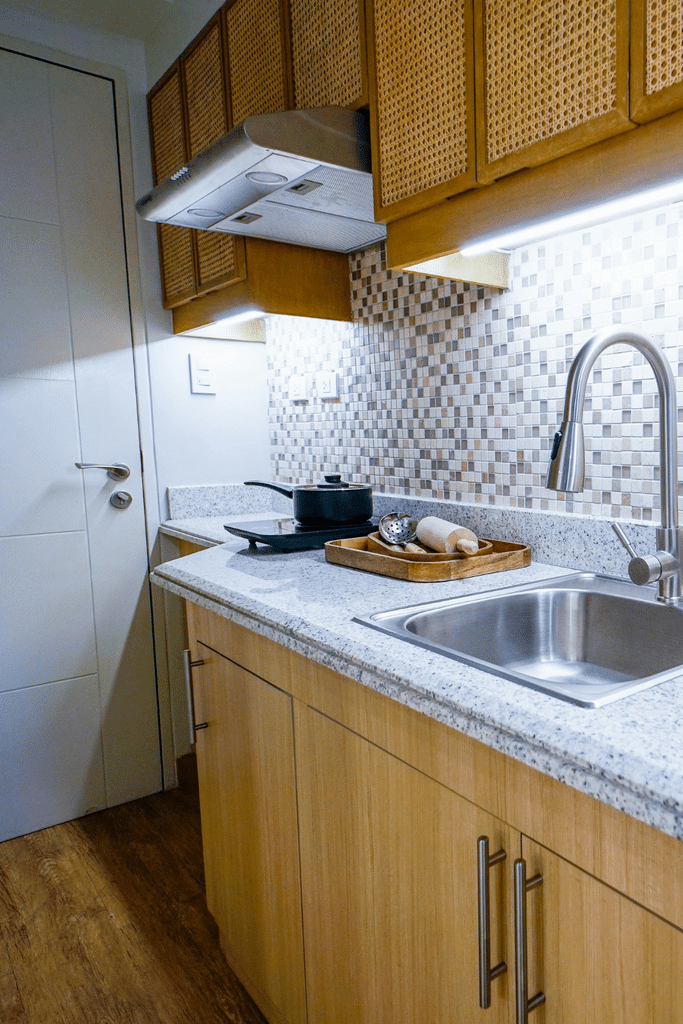
If your backsplash is dark brown, charcoal, or heavily patterned, replacing it with a lighter finish can help the room feel more open.
I particularly like warm white subway tiles, pale marble look porcelain, and simple cream ceramic tiles.
For a more permanent installation, traditional ceramic tiles may cost approximately $3 to $15 per square foot for the material, depending on the style and quality. Installation adds to the total cost.
If you have a small kitchen, I would keep the backsplash pattern simple. Too many colors, strong contrasts, or busy patterns can make the walls feel crowded.
A pale backsplash with subtle texture can bring interest without taking attention away from the rest of the room.
Credit: Canva
How I Would Brighten a Dark Kitchen With Better Countertop Styling
A crowded countertop can make even a bright kitchen feel smaller. When appliances, jars, containers, paper towels, and decorative accessories compete for attention, the room starts to feel visually heavy.
I would begin by removing everything from the countertops. Clean the surfaces, then put back only the items you use regularly.
Keep the coffee maker, toaster, or other everyday appliances if you need them. The goal is not to create a kitchen that looks like nobody cooks in it.
Instead, give each area a clear purpose. Keep food preparation surfaces open, group small items together, and leave some empty space around the sink.
A simple tray can help organize frequently used items. Choose a light wood, pale stone, or neutral ceramic tray to add warmth without introducing another dark surface.
How I Would Brighten a Dark Kitchen With Reflective Finishes
When a kitchen has limited natural light, I would look for materials that help spread the available light around the room.
Glass, polished metal, glossy tiles, and pale stone can all help create a brighter appearance.
A simple glass pendant light is a lovely choice because it allows light to pass through the fixture. It also avoids adding a large visual block above an island or dining area.
Brushed brass cabinet handles can bring warmth to cream or white cabinets. Chrome and brushed nickel are also attractive choices if your kitchen has cooler finishes.
If you have dark wood cabinets, a few glass front cabinet doors can make the upper section feel lighter.
I would use this feature sparingly. Too many glass doors can make storage look cluttered, especially if the shelves are filled with mismatched packaging.
The Four Mistakes I Would Avoid When Brightening a Dark Kitchen
There are a few common mistakes that can make this project more expensive or leave you disappointed with the result.
Choosing the wrong shade of white
A bright white paint sample can look cold or slightly blue in a kitchen with little natural light. I would test warm and cool shades before buying paint, especially if the cabinets and countertops have different undertones.
Relying on one bright ceiling light
A powerful ceiling bulb may brighten the middle of the room, but it can still leave the counters and sink in shadow. I would combine general lighting with focused task lighting.
Buying new cabinets before considering paint
Replacing cabinets can take a large part of your renovation budget. If the existing doors and cabinet boxes are in good condition, painting or changing the hardware may be enough.
Filling every empty space with decorations
It is tempting to add vases, plants, jars, and accessories when a kitchen feels unfinished. However, too many objects can make the room feel crowded. I would leave some surfaces empty and let the natural light become part of the design.
How I Would Finish the Kitchen and Keep It Bright
Once the larger changes are complete, I would take another look at the room from the doorway.
This is a good time to notice whether the light feels balanced. Check the corners, the area underneath the cabinets, and the space around the sink.
If one corner still feels dark, consider adding a small LED light or changing the position of an existing fixture.
I would also make a few simple habits part of the kitchen routine. Clean the windows regularly, wipe dust from light fixtures, and keep the most important work surfaces clear.
Choose accessories that work with your new color scheme. Soft white, pale wood, warm beige, and small touches of greenery are lovely choices.
You can also bring in natural textures through woven baskets, wooden boards, linen towels, and ceramic containers.
Why I Believe a Brighter Kitchen Starts With Small Changes
A dark kitchen does not need a complete renovation to feel more welcoming. Often, the problem comes from a combination of poor lighting, heavy colors, and surfaces that absorb the little daylight the room receives.
I would begin with the changes that cost the least and make the biggest difference. Clean the windows, replace dim bulbs, clear the countertops, and bring in lighter colors where they make sense.
Once those changes are in place, you can decide whether the cabinets, backsplash, or other finishes need attention.
My favorite approach is to keep the room practical while giving it a lighter feeling. A kitchen still needs space for cooking, storage for everyday essentials, and finishes that are easy to maintain.
How can I brighten a dark kitchen without painting?
I would start with brighter LED bulbs, under cabinet lighting, clean windows, and lighter window coverings. Clearing the countertops and adding a few light colored accessories can also make the room feel more open without changing the permanent finishes.
What is the best paint color for a kitchen with little natural light?
My first choice would be a warm white, soft ivory, or pale cream. I would test several shades on sample boards because artificial lighting and existing countertops can change how a paint color appears.
Do white cabinets make a dark kitchen look brighter?
Yes, white cabinets can help reflect light and make the kitchen feel more open. I particularly like warm white cabinets paired with pale countertops, natural wood accents, and good task lighting.
What lighting is best for a dark kitchen?
I prefer a combination of 3000K to 3500K LED ceiling lights and under cabinet lighting. I would also look for bulbs with a CRI of 90 or higher so the colors of your kitchen look natural and comfortable.