
Live Beautifully at Home


How to Display Cookbooks in the Kitchen for a Warm, Beautiful, and Personal Space
 Rhonda
My Blue Creek Home Founder & Editor
I spent over 12 years in decorative painting and faux finishing, starting with a faux finishing company I co-owned in Mississippi that...
November 18, 2026
12 min read
Leave a comment
Image Notice. Some images featured in this article may originate from third-party sources and are used for illustrative purposes only. Please review our Image Credits Policy for full attribution information.
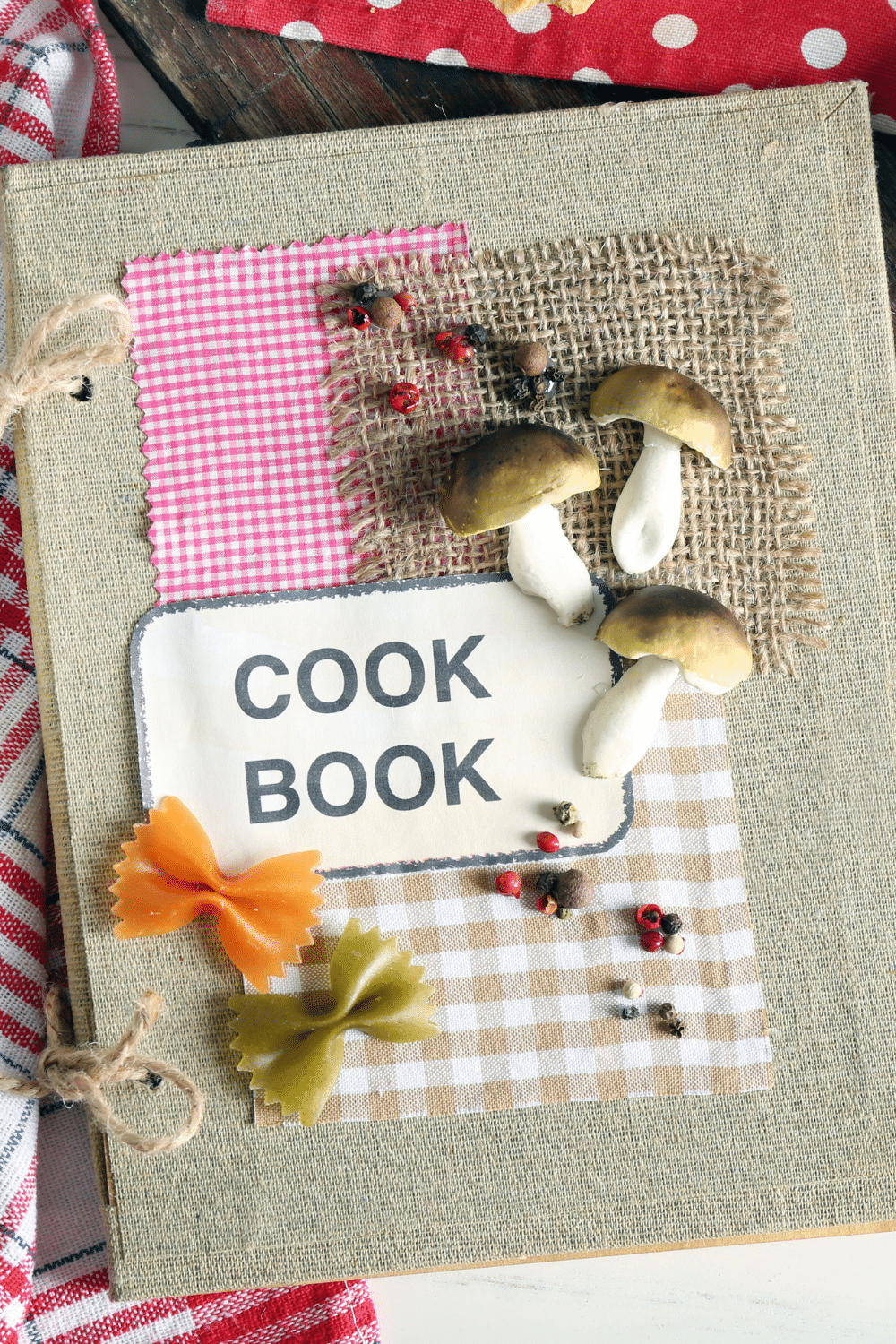
There is something special about a kitchen where the cookbooks are out in the open, the favorite recipes are within reach, and even the everyday items feel like part of the room. Learning how to display cookbooks in the kitchen is one of those small decorating changes that can make a space feel more personal without spending much money.
I love the idea of letting the things we use tell a little story about the people who live there. A stack of well loved cookbooks, a pretty wooden stand, or a small shelf beside the coffee maker can bring warmth to an otherwise ordinary corner. The trick is knowing where to put them, how many to show, and how to keep everything from feeling crowded. You do not need a large kitchen or expensive shelving to make this work. A little thought about placement, color, and everyday use goes a long way.
Displaying cookbooks is not just about finding an empty spot on the counter. I like to think about how the books fit into the room, how often they are used, and whether they make the kitchen easier to enjoy.
A thoughtful display can bring color to a neutral kitchen, fill an awkward empty corner, and give practical storage a more personal touch. Once everything has a proper place, the kitchen feels more welcoming without losing its everyday function.
A Few Things I Would Do Before Styling
- Keep your three to five favorite cookbooks somewhere easy to reach.
- Choose books with attractive covers that work well with your kitchen colors.
- Use a wooden or metal book stand to keep one cookbook upright.
- Keep cookbooks away from the sink, stovetop, and areas exposed to splashes.
- Leave enough counter space for preparing food and everyday tasks.
What I Would Gather Before Starting
- Your favorite cookbooks, ideally five to ten to begin with.
- A wooden cookbook stand, approximately $12 to $30.
- A small floating shelf, approximately $20 to $45.
- A pair of bookends, approximately $10 to $25.
- A small decorative tray, approximately $10 to $20.
- A soft microfiber cloth for cleaning book covers and shelves.
- A measuring tape to check shelf depth and available counter space.
You do not need to buy everything on this list. I would start with the books you already own, then decide whether a stand, shelf, or pair of bookends would make the biggest difference.
I Start by Choosing Which Cookbooks Deserve a Spot
Credit: Canva
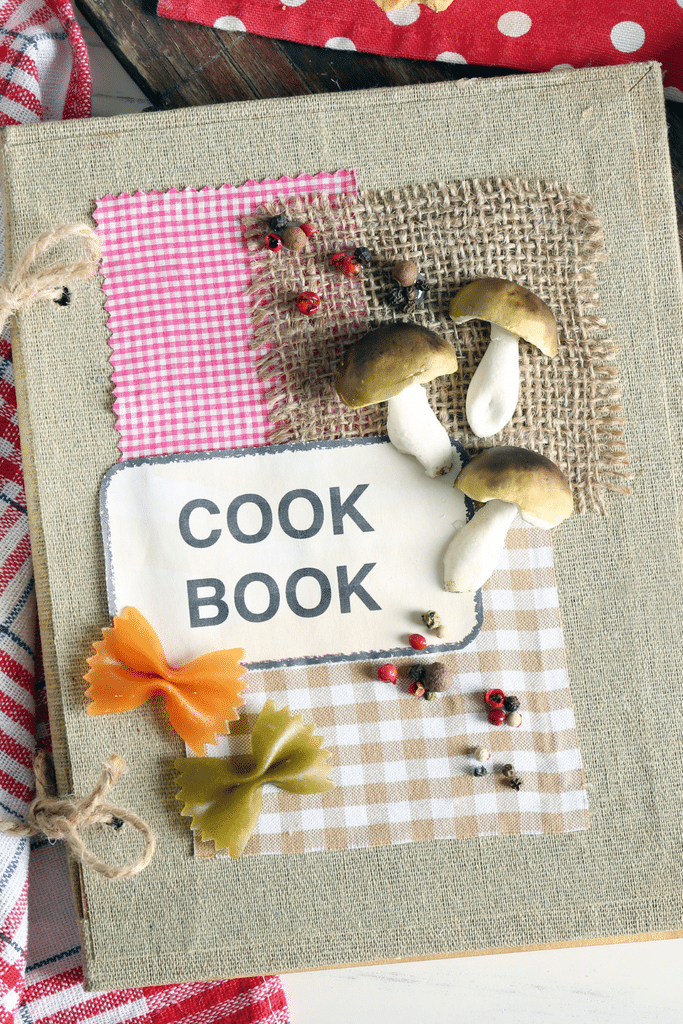
Before thinking about shelves or decorative accessories, I would take all the cookbooks out and see what is worth displaying. This makes the whole process easier because not every cookbook needs to be visible.
Some books are used every week. Others are filled with family recipes, handwritten notes, or beautiful food photography. A few may have covers that bring just the right colors into the kitchen.
I would separate the books into three simple groups.
- Books I use regularly.
- Books I love for their covers, memories, or inspiration.
- Books I rarely open and would rather keep stored away.
The first group deserves the easiest access. The second group can help create a lovely display. The last group can live inside a cabinet, pantry, or another book storage area.
I also pay attention to the condition of the books. A cookbook with a loose cover or delicate pages may need a protected place away from cooking splashes.
This is where kitchen organization becomes part of decorating. When I decide which books belong on display, I am also making the kitchen easier to use.
I Find the Right Place to Display Cookbooks in the Kitchen
Location makes a bigger difference than most people expect. A beautiful cookbook display can feel awkward if it blocks a window, takes up the main preparation area, or sits too close to cooking equipment.
I would first look at the spaces that are currently underused. The side of a kitchen counter, an empty section of wall, or the area beside a coffee station can all be good possibilities.
For a countertop display, I would aim for a spot that has approximately 10 to 14 inches of available width. This gives a small collection enough room without taking over the counter.
For kitchens with limited counter space, a narrow shelf can be a much better choice. A shelf around 8 to 10 inches deep is often enough for many standard cookbooks, although larger books need more room.
Credit: Canva
I would also think about what you see when entering the kitchen. A small cookbook display can become a lovely detail in an otherwise simple room, especially when it sits in a natural focal point.
The goal is to make the books feel like they belong there, not like they were placed in an empty corner simply because there was nowhere else to put them.
I Choose a Display Style That Works With My Kitchen
Once I know where the books will go, I can decide how to arrange them. This is the part where personal taste matters most.
I prefer displays that feel relaxed and useful. A kitchen is a working room, so the arrangement needs to be easy to maintain. There is no need to create something that looks beautiful for a photograph but becomes frustrating after a few days.
For a simple countertop arrangement, I would use a wooden cookbook stand with one favorite book open or displayed upright. Then I would place two or three additional books beside it, stacked horizontally.
If your kitchen has a modern style, a black metal stand can create a lovely contrast against white or pale cabinets. For a farmhouse kitchen, natural wood, woven textures, and simple ceramic accessories feel especially fitting.
Here are a few materials I would consider:
| Display material | Approximate price | Style |
|---|---|---|
| Light oak stand | $15 to $30 | Warm and natural |
| Black metal stand | $12 to $25 | Modern and simple |
| Marble stand | $25 to $45 | Classic and elegant |
| Bamboo stand | $10 to $22 | Casual and practical |
| Acrylic stand | $12 to $25 | Clean and minimal |
Prices vary by size, finish, and retailer, so I would compare a few options before buying.
I would skip overly decorative stands with lots of small details. A simple design lets the cookbook cover become the main feature.
If your kitchen already has many different finishes, choose a stand that repeats something you already have. For example, a wooden stand can connect with wooden cutting boards, while a black metal stand can echo cabinet handles or lighting.
This creates a little visual connection between the books and the rest of the room.
I Use Shelves When Counter Space Is Limited
Not every kitchen has enough counter space for decorative arrangements. Sometimes the counters are already full of appliances, fruit bowls, and the things we use every day.
This is where I would consider using a wall shelf.
A floating shelf is a simple way to display cookbooks without taking up valuable preparation space. I like shelves made from natural wood because they add warmth to plain kitchen walls.
For standard cookbooks, a shelf around 8 to 10 inches deep is a good starting point. Measure your largest book first, then allow a little extra room so the books are not pressed tightly against the wall.
I would also pay attention to the shelf length. A 24 inch shelf can hold a small collection, while a 36 inch shelf offers more flexibility.
There is also something lovely about combining cookbooks with a little everyday kitchen decor. A shelf with a few books, a small ceramic bowl, and a simple framed print can feel welcoming without becoming crowded.
I Arrange the Books So the Display Feels Natural
The way the cookbooks are arranged can change the entire appearance of the display. Even beautiful books can look messy when they are squeezed together or placed without considering their different sizes.
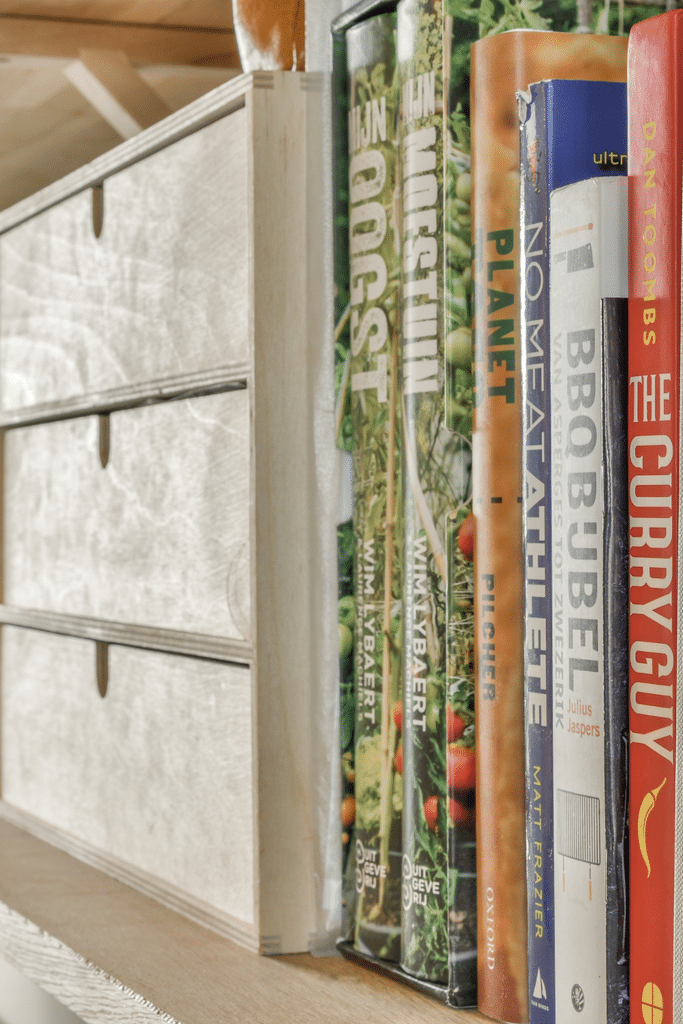
I like to begin with the largest books. They create a stable base when stacked horizontally and can help smaller books feel more balanced.
For an upright arrangement, place the tallest books toward the back or at one end. Then arrange shorter books beside them.
You can use bookends to prevent the books from leaning. Choose something simple that blends with the kitchen, such as wood, stone, or black metal.
I would also mix horizontal and vertical arrangements if there is enough room. A small horizontal stack beside one upright book creates a more relaxed appearance.
I Add Small Details Without Making the Counter Feel Crowded
Once the books are in place, I would look at the surrounding area. This is where a few carefully chosen accessories can help connect the display with the rest of the kitchen.
I love the combination of cookbooks with natural materials. A small wooden bowl, a ceramic utensil holder, or a simple plant can make the arrangement feel warmer.
However, I would choose just one or two additional pieces. The cookbooks already provide plenty of color, shape, and texture.
A small tray can be useful for keeping everything together. It works especially well when displaying cookbooks beside a coffee station or on a wider kitchen counter.
For example, a rectangular wooden tray can hold a cookbook stand, a small ceramic cup, and a little plant. The tray gives the arrangement a clear boundary, which helps it feel organized.
Open shelving can also work beautifully with cookbook displays. If you already have open shelves, use a small section for books, then leave the remaining space for everyday dishes or simple serving pieces.
The key is to give each item a purpose. Something that looks pretty but collects dust or gets in the way is not worth keeping on the counter.
Credit: Canva
I Keep My Cookbook Display Clean and Easy to Use
A cookbook display needs a little care, especially in a room where cooking happens every day.
Paper and food preparation are not always the easiest combination. Oil, steam, flour, and splashes can slowly damage books, even when they are not directly beside the stove.
I would make a habit of checking the display once a week. This takes only a few minutes.
Remove the books, wipe the shelf or counter with a suitable cleaning cloth, then make sure everything is completely dry before putting the books back.
For book covers, use a dry microfiber cloth. If a cover has a washable surface, follow its care instructions, but avoid using wet cleaning products on paper pages.
I would also rotate the books occasionally. If you have a collection of seasonal cookbooks, bring out baking books during the colder months and lighter meal collections when the weather gets warmer.
This keeps the display interesting while giving you a reason to use books that might otherwise stay forgotten.
I Avoid These Little Mistakes When Displaying Cookbooks
Even a simple cookbook arrangement can become frustrating when a few practical details are overlooked. These are the things I would watch out for before calling the display complete.
Putting books too close to the stove
I would leave plenty of distance from heat, grease, and cooking steam. Book covers can become sticky, faded, or damaged over time.
Displaying the entire collection
I know it can be tempting to show every beautiful cookbook, but too many books can take over the kitchen. Keep the favorites visible and store the rest somewhere protected.
Choosing a shelf that is too shallow
A shelf that barely holds the books can make them unstable. Measure the largest cookbook before buying anything, then allow extra depth for comfortable placement.
Adding too many decorative accessories
A cookbook stand, a tray, several plants, and multiple bowls can quickly become too much. I would let the books take the lead and keep the surrounding details simple.
I Make Room for the Cookbooks I Love
I think a kitchen feels special when it reflects the way people enjoy using it. A cookbook display is a small detail, but it can bring warmth, color, and a little personality into an everyday space.
You do not need a complete kitchen makeover to make this corner feel different. Start with the cookbooks you love, choose a practical location, and find a display style that works with your cabinets and countertops.
If you have a small kitchen, a single wooden stand may be all you need. If you have an empty wall, a floating shelf can give your collection a proper place.
My favorite approach is to keep the display simple enough for everyday life. It should be easy to clean, easy to reach, and enjoyable to look at when you walk into the kitchen.
And please do not worry if your cookbooks have different colors or sizes. They do not need to match perfectly to belong together.
Sometimes the most welcoming details are the ones that feel personal, useful, and a little imperfect. Let your favorite books have a place in the kitchen. You may find that this small change makes the room feel a little more like yours.
How many cookbooks should I display in the kitchen?
I would start with three to five cookbooks on a small counter or shelf. A larger shelf can hold more, but I prefer leaving enough space so every book is easy to reach.
Is it better to display cookbooks vertically or horizontally?
I like both arrangements. Vertical displays work well with bookends or stands, while horizontal stacks are useful for larger books. Combining the two can create a relaxed arrangement.
How can I display cookbooks in a small kitchen?
I would choose a slim floating shelf, a wall mounted book rack, or a small countertop stand. Keeping the collection limited to your favorite books helps save valuable preparation space.
How do I protect cookbooks from kitchen grease and moisture?
I would keep them away from the stove, sink, and areas with frequent steam. Use a dry cloth to remove dust, clean the display regularly, and store delicate books in a dry cabinet.