
Live Beautifully at Home


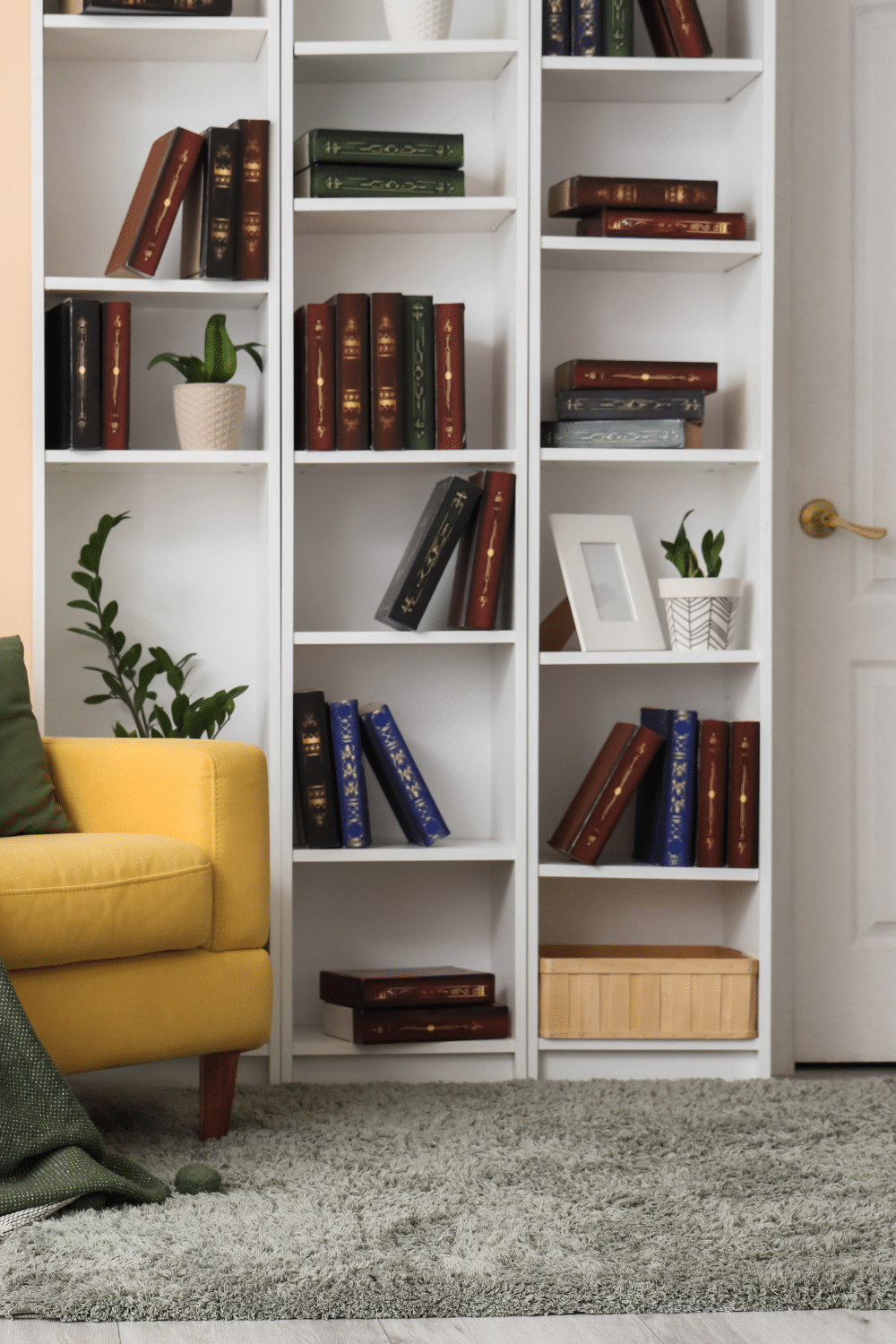
How to cover books for decor and Style Your Shelves
 Rhonda
My Blue Creek Home Founder & Editor
I spent over 12 years in decorative painting and faux finishing, starting with a faux finishing company I co-owned in Mississippi that...
November 12, 2026
10 min read
Leave a comment
Image Notice. Some images featured in this article may originate from third-party sources and are used for illustrative purposes only. Please review our Image Credits Policy for full attribution information.
There is something about a room filled with books that makes it feel more personal. Yet sometimes the books we already own have colorful covers, mismatched spines, or bright lettering that competes with the rest of the room. You love having them around, but they do not quite fit the look you are trying to create. This is where learning how to cover books for decor can make such a difference.
I love the idea of using ordinary books as part of a home’s styling. A simple paper cover in a soft cream, warm beige, muted green, or natural brown can turn a collection of everyday books into something that feels right at home on a coffee table or bookshelf.
The lovely part is that you do not need expensive decorative books. You can use books you already own, a few inexpensive supplies, and a little patience to create something that feels personal.
Why I Think Covered Books Make Such a Difference
Books bring height, texture, color, and personality into a room. They also help shelves feel less like storage and more like a collection of things that mean something to you.
When I think about coffee table styling, I often notice how much difference a small stack of well chosen books can make. The covers do not need to match perfectly. They simply need to work with the colors, materials, and mood of the room.
Covering books for decor also gives you a lovely way to reuse books that might otherwise stay hidden in a cupboard. You can keep the original covers underneath, protect the pages, and create a completely different appearance on the outside.

Credit: Canva
What I Want You to Know Before Starting
The secret is choosing the right paper, keeping the folds neat, and knowing when to stop adding decoration. A book covered in simple paper can look far more attractive than one covered in several patterns, ribbons, labels, and extra details.
I would start with two or three books in different sizes. Once you understand how the paper folds around the covers, you can work through a larger collection without feeling overwhelmed.
Quick Tips I Would Follow First
• Choose three books with different heights to create a more interesting display.
• Use matte paper because shiny finishes can look distracting under indoor lighting.
• Pick two or three colors that already appear in your room.
• Leave enough paper around the edges to create neat folds inside the covers.
What You Will Need
• Books you already own, preferably in different sizes.
• Kraft paper or decorative wrapping paper, approximately $5 to $12 per roll.
• Matte cream or beige paper, approximately $6 to $10.
• Scissors, approximately $5 to $8.
• A ruler and pencil, approximately $3 to $6.
• Double sided tape, approximately $3 to $7.
• Natural cotton ribbon or thin jute string, approximately $4 to $8.
• Small paper labels, approximately $3 to $6.
• A bone folder for crisp paper creases, approximately $5 to $10.
Prices are approximate estimates for common craft supplies. You can skip the ribbon, labels, and special folding tool if you prefer a simple finish.
How I Choose Books That Deserve a Decorative Cover
Before buying paper, I would take a little time to look through the books I already have. This is the part that saves money because you might have everything you need without realizing it.
Look for books with interesting sizes, attractive shapes, and sturdy covers. Hardcover books are particularly lovely for decorative displays because they have a firm structure. Their edges also tend to hold their shape when covered.
Paperback books work too, although I would be a little more careful when folding the paper around them. Thin covers can bend easily, especially when you pull the paper too tightly.
I like choosing books that have different heights. A tall book beside a shorter one creates a more relaxed arrangement, especially when the books are stacked horizontally.
How I Pick Paper for Cover Books for Decor
This is where the whole project starts to come together. The paper you choose affects the final appearance just as much as the way you fold it.
For a warm, natural look, kraft paper is one of my favorite choices. It has a slightly textured appearance, comes in different shades of brown, and works beautifully with wooden furniture.
Cream wrapping paper is another lovely option. It creates a softer appearance, especially when paired with white ceramics, linen, or light wood.
A paper weight between approximately 80 and 120 gsm is a comfortable starting point for many book covering projects.
Here is a simple guide to choosing your paper:
| Paper type | Appearance | My favorite use |
|---|---|---|
| Kraft paper | Natural brown | Rustic shelves |
| Cream paper | Soft and simple | Neutral interiors |
| Linen textured paper | Subtle texture | Elegant displays |
| Botanical paper | Delicate pattern | Cottage inspired rooms |
| Matte colored paper | Smooth and understated | Modern shelves |
| Vintage style paper | Aged appearance | Traditional interiors |
I would buy one roll of your favorite color first instead of purchasing several patterns. Test it on one book before committing to a whole collection.
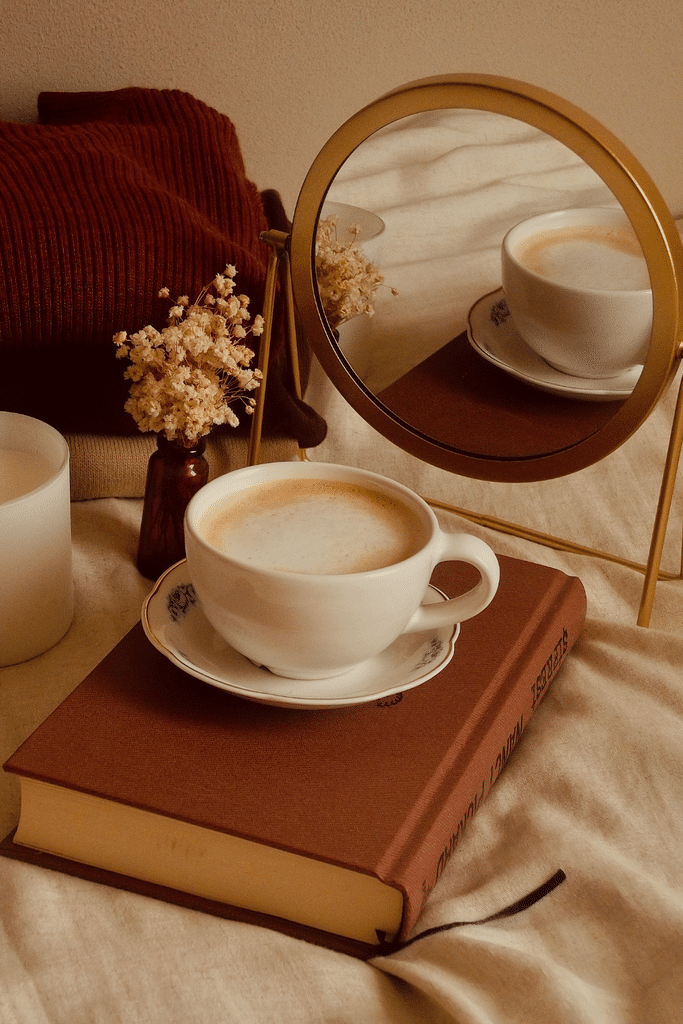
Credit: Canva
How I Cover Books for Decor Without Damaging Them
Once you have your books and paper ready, it is time to start covering them. I prefer a removable paper cover because it protects the original book while giving you plenty of room to change the style later.
Start by measuring the book. Place it flat on your wrapping paper with the front cover facing down.
Open the book slightly so you can measure the full width from one outer edge to the other, including the spine. Add approximately 3 inches to each side for the inside folds.
For the height, measure from the top edge to the bottom edge. Add approximately 2 inches to the top and bottom so you have enough paper to fold neatly inside.
How I Give Covered Books a Beautiful Personal Touch
A plain paper cover is often enough, but small details can give your books more personality. This is where I would let the rest of the room guide the design.
For a relaxed, rustic look, a thin piece of jute string around a book can add just enough texture. Keep the knot small so it does not become the main feature.
If you love traditional interiors, try a small paper label on the spine. You can write a simple title, a subject, or a decorative word in a classic serif font.
I particularly like the appearance of faded black lettering on cream paper. It has a quiet, timeless quality that works beautifully with vintage home decor.
How I Style Cover Books for Decor Around My Home
Once the covers are ready, I would give some thought to placement. Beautifully covered books can still feel out of place if they are arranged without considering the furniture around them.
For a coffee table, I like a stack of two or three books. Place the largest book at the bottom, then position the smaller ones on top.
Leave enough space around the stack for everyday items such as a drink, remote control, or small decorative tray. A coffee table still needs to work for daily life.
I would also pay attention to the height of nearby objects. A small stack of books beside a tall vase creates a nice contrast, while several objects of exactly the same height can make a display feel flat.
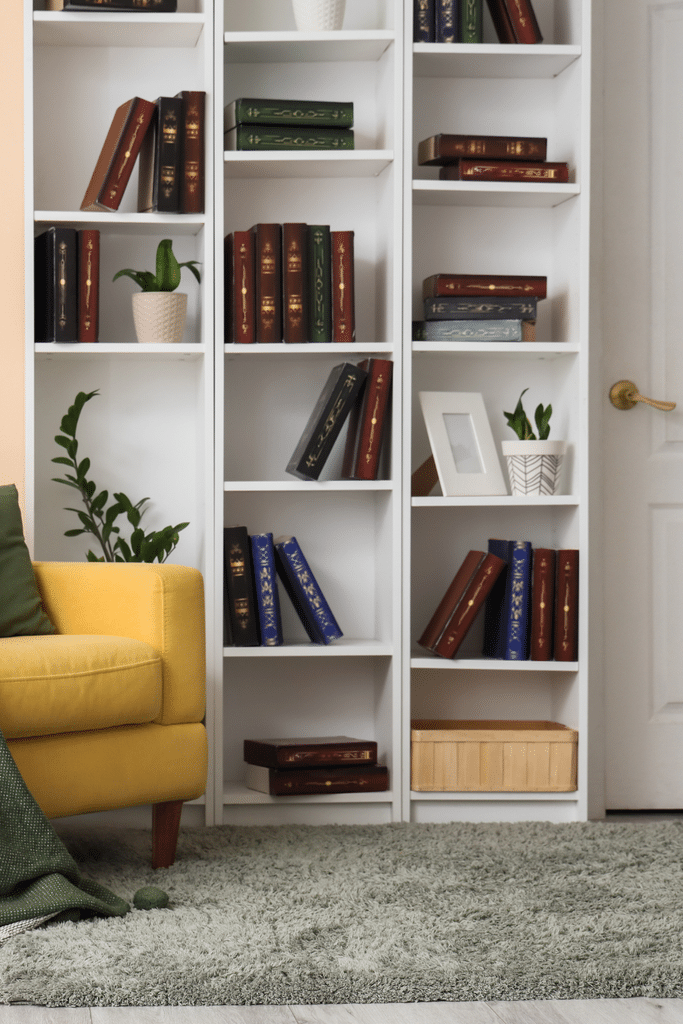
Credit: Canva
How I Keep My Covered Books Looking Fresh
One thing I think people sometimes overlook is how the books will hold up after styling. Decorative paper can collect dust, develop creases, or become damaged when books are moved frequently.
The easiest way to keep everything looking nice is to handle the books by their sides instead of pulling at the paper cover.
For regular cleaning, use a dry microfiber cloth. Gently wipe the surface and the edges to remove dust.
Avoid using wet cleaning products on paper covers. Moisture can leave marks, soften the paper, or cause the colors to bleed.
If the books sit on a coffee table, keep drinks away from the stack. Even a small water ring can damage an otherwise lovely paper cover.
Direct sunlight is another thing I would consider. Strong sunlight can fade decorative paper over time, especially printed designs in soft colors.
What I Would Avoid When Covering Books for Decor
A few small mistakes can make this project harder than it needs to be. These are the things I would watch out for before getting started.
Choosing paper that is too thin.
Delicate wrapping paper can tear around the corners or develop wrinkles while you fold it. I would choose a medium weight matte paper that feels easy to handle.
Pulling the paper too tightly.
A book needs room to open. If the cover is stretched around the spine, it can tear or make the book uncomfortable to use. Keep the paper secure but leave a little breathing room.
Using too many colors and patterns.
It is tempting to buy several beautiful papers, but mixing everything can make a shelf feel busy. I would stick to two or three main shades, then introduce one subtle pattern if needed.
Adding permanent glue to valuable books.
This is one shortcut I would skip completely. Glue can damage the original cover, leave marks, or make it difficult to remove the paper later. Double sided tape on the folded paper is a much safer choice.
How I Would Make This Little Decorating Project Feel Worthwhile
I love decorating ideas that make use of things we already own. Covering books for decor is one of those small changes that can make an ordinary shelf, console table, or coffee table feel more considered.
You do not need a large collection, expensive accessories, or a perfectly styled room. A few books in complementary colors can bring warmth into a space without making it feel overdone.
I would start with two books, one roll of paper, and a quiet afternoon. Choose colors that make you happy when you see them, take your time with the folds, and leave the extra decorations for later.
If you find that you love the simple appearance, there is no reason to add anything else. If you want a little more personality, a paper label or a small piece of ribbon is enough.
Frequently Asked Questions
Can I cover books for decor without damaging the original covers?
Yes. I recommend using removable paper sleeves with double sided tape placed only on the folded paper. This keeps the original book cover untouched and makes it easy to change the design later.
What is the best paper for covering decorative books?
I prefer matte kraft paper, cream wrapping paper, or linen textured paper. Medium weight paper around 80 to 120 gsm is a good starting point because it folds neatly without tearing too easily.
How many covered books should I use on a coffee table?
I would start with two or three books in different sizes. A small stack creates enough height for a decorative display while leaving room for practical items such as a vase or tray.