
Live Beautifully at Home

11 Magical 1930s front door Ideas for a Charming Entryway
 Rhonda
My Blue Creek Home Founder & Editor
I spent over 12 years in decorative painting and faux finishing, starting with a faux finishing company I co-owned in Mississippi that...
October 8, 2026
8 min read
Leave a comment
Rhonda
Rhonda
My Blue Creek Home Founder & Editor
I spent over 12 years in decorative painting and faux finishing, starting with a faux finishing company I co-owned in Mississippi that...
October 8, 2026
8 min read
Leave a comment
Image Notice. Some images featured in this article may originate from third-party sources and are used for illustrative purposes only. Please review our Image Credits Policy for full attribution information.
1930s front door Ideas can bring a period home back to its original character while still feeling welcoming and practical today. The best choices often come from details that suit the age of the house, such as stained glass, classic paneling, painted wood, traditional hardware, and carefully chosen colors.
A front door does not need to be complicated to make an impression. When the proportions, materials, color, and surrounding brickwork work together, even a simple entrance can feel connected to the architecture around it.
For homes with original features, keeping some of that history visible can make the entrance feel more personal. For newer homes, borrowing a few traditional details can create the same sense of warmth without making the exterior feel old fashioned.
These 1930s front door Ideas also give you plenty of room to play with color. Deep green, rich red, soft gray, warm yellow, muted pink, and classic white can all work beautifully when they are balanced with the rest of the exterior.
Think about the entrance as one complete space. The door, glass, hardware, brickwork, lighting, path, and plants should each support the same welcoming feeling.
Stained Glass Side Panels
Credit: @1930shouseonthehill
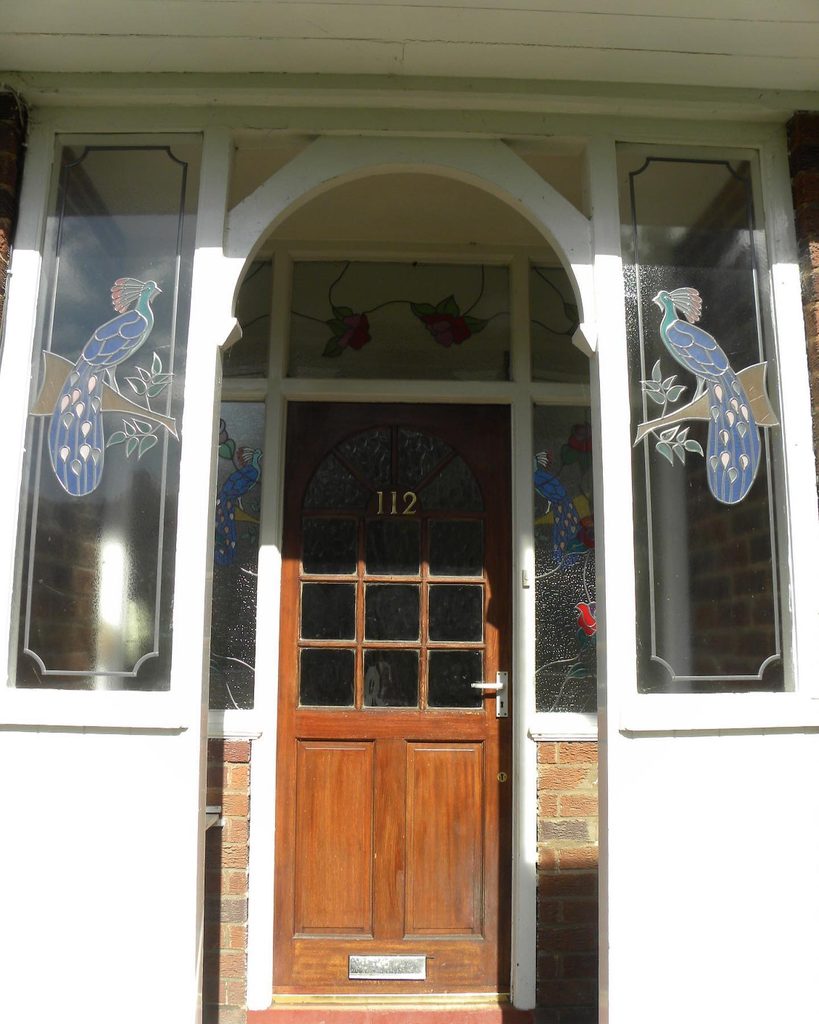
Stained glass side panels are one of the most charming 1930s front door Ideas for a period entrance. They give a traditional doorway a sense of craftsmanship and allow small areas of color to become part of the exterior without covering the whole door in decoration.
This approach works especially well when the glass has a pattern that relates to the age of the property. Keep the door itself fairly simple, then let the glass provide the decorative detail. A restrained paint color can help the surrounding glass remain the main feature.
Soft Pink Painted Door
Credit: @ayrtonbespoke
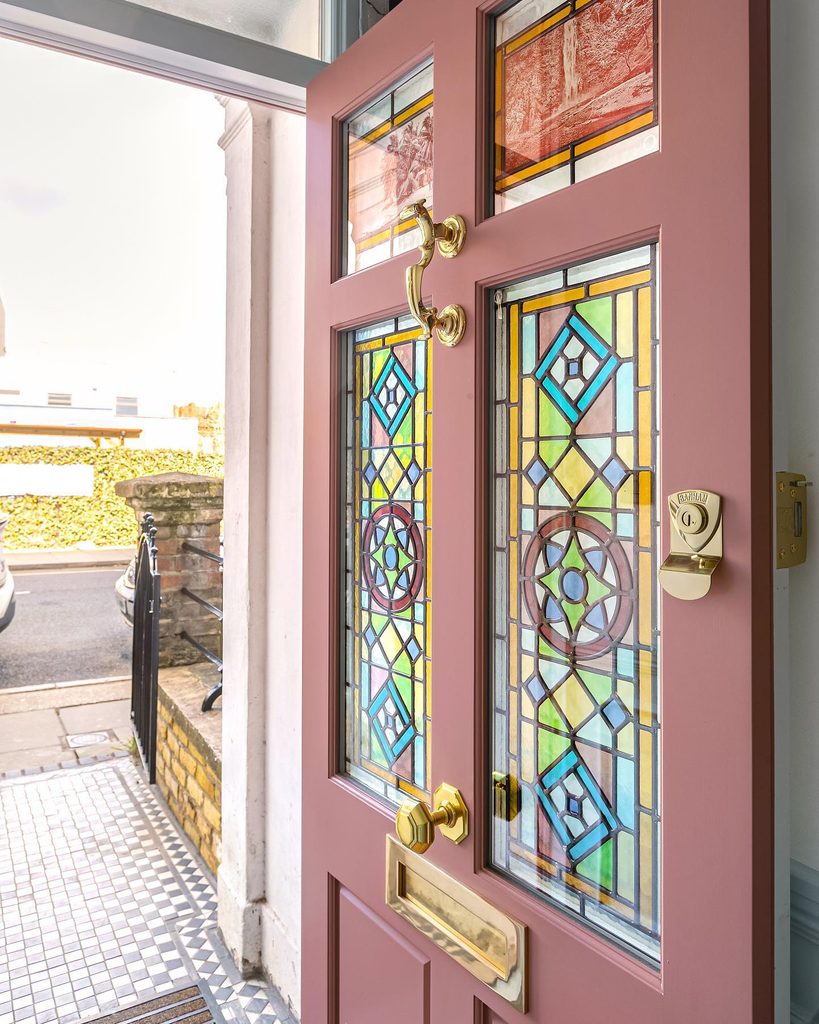
A muted pink door can give 1930s front door Ideas a softer and more welcoming direction. This color works beautifully when you want traditional details to feel fresh without relying on the usual black, white, or navy palette.
Choose a dusty or slightly muted pink instead of a very bright shade if you want the entrance to feel settled. Brass hardware pairs especially well with this approach, while stained glass can add small touches of blue, green, cream, or amber that help connect the door with the rest of the house.
Classic Red Front Door
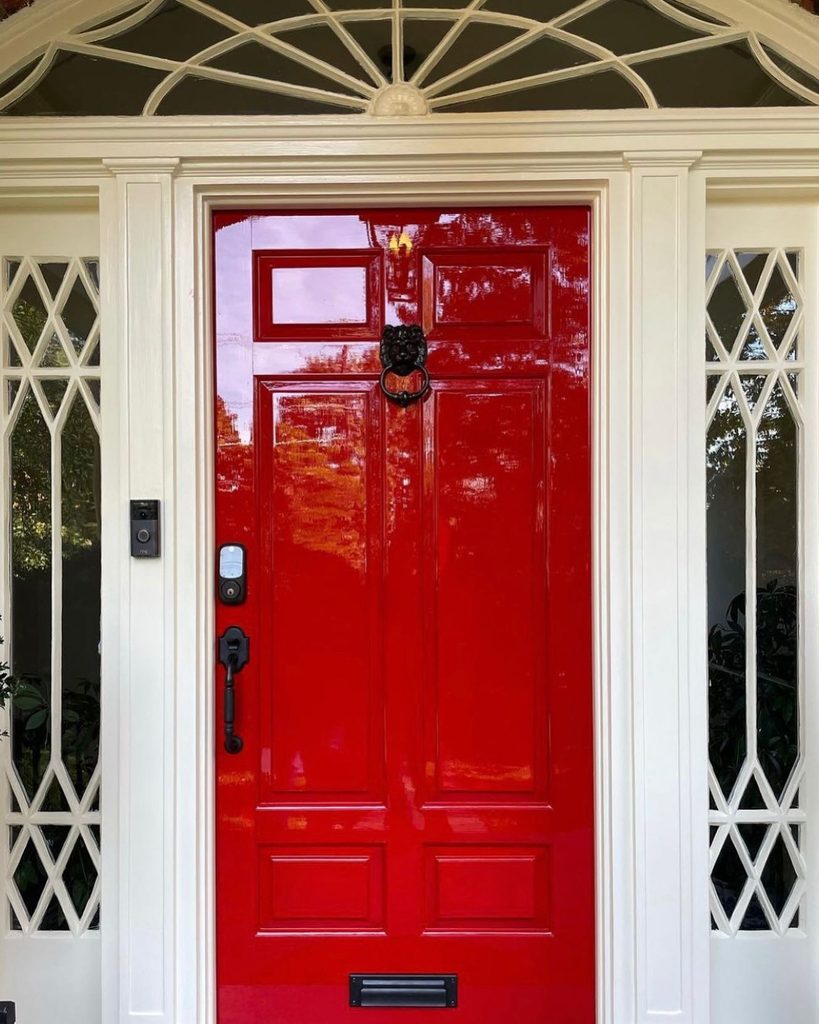
Credit: @finepaintsofeurope
A strong red door gives 1930s front door Ideas a confident focal point without requiring lots of extra decoration. Red works particularly well against pale trim because the contrast makes the doorway easy to notice from the street.
For a traditional finish, look for a rich red with enough depth to work with brick, stone, or painted wood. Black hardware can create a crisp traditional feel, while brass fittings make the entrance feel warmer. Keep the surrounding trim simple so the color has room to stand out.
Sunny Yellow With Glass
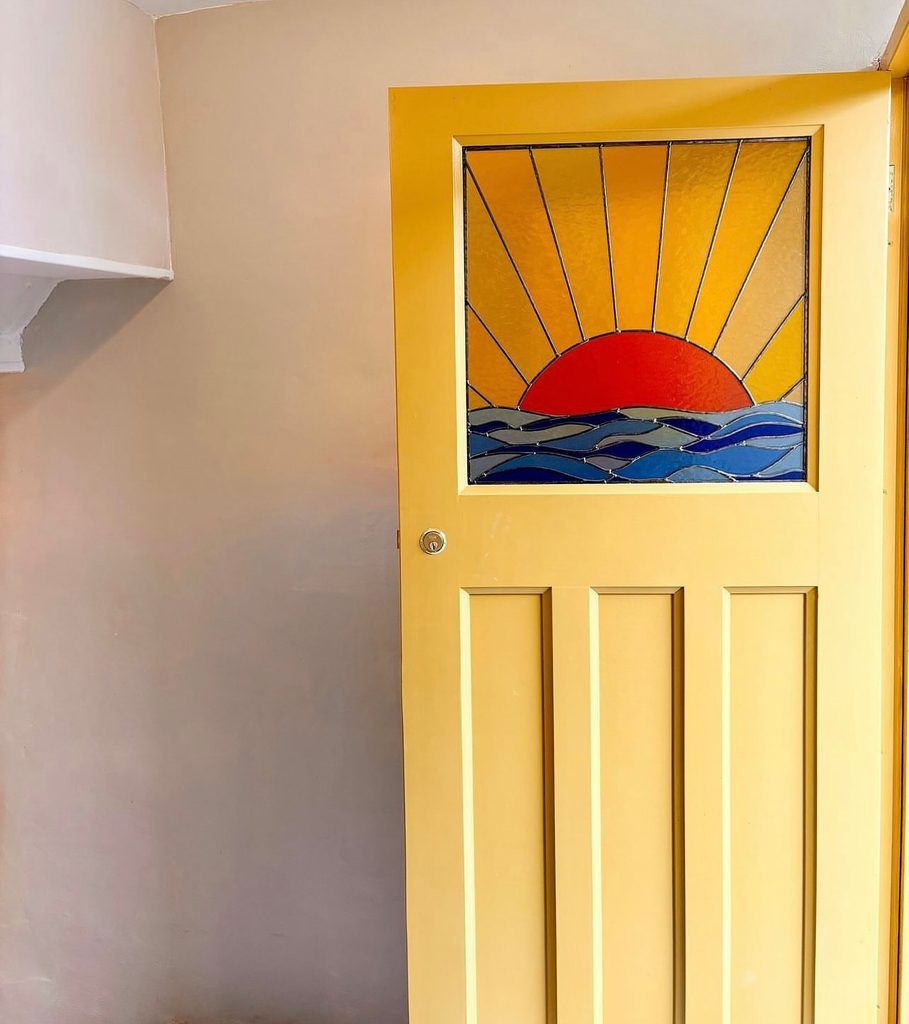
Credit: @geleta_doors
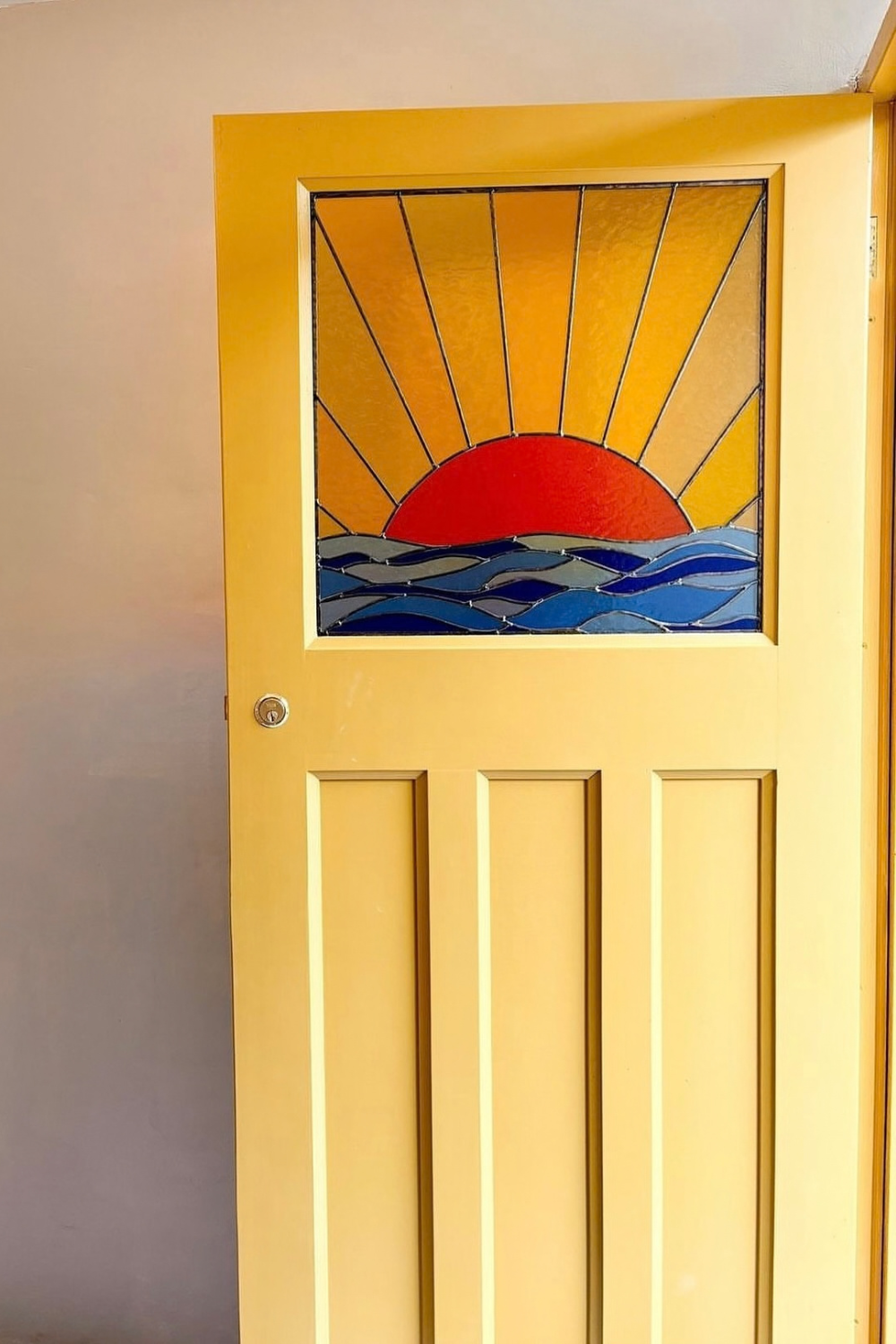
Warm yellow brings cheerful character to 1930s front door Ideas, especially when paired with decorative glass. It can make a darker entrance feel brighter and create a welcoming transition between the garden path and the interior of the home.
A golden yellow works best when the surrounding colors are calm. White, cream, soft gray, and natural brick can all give the door enough visual space. If you have Outdoor Winter Planters Ideas around the entrance, choose greenery with simple foliage so the seasonal planting does not compete with the strong door color.
Soft Blue Period Style
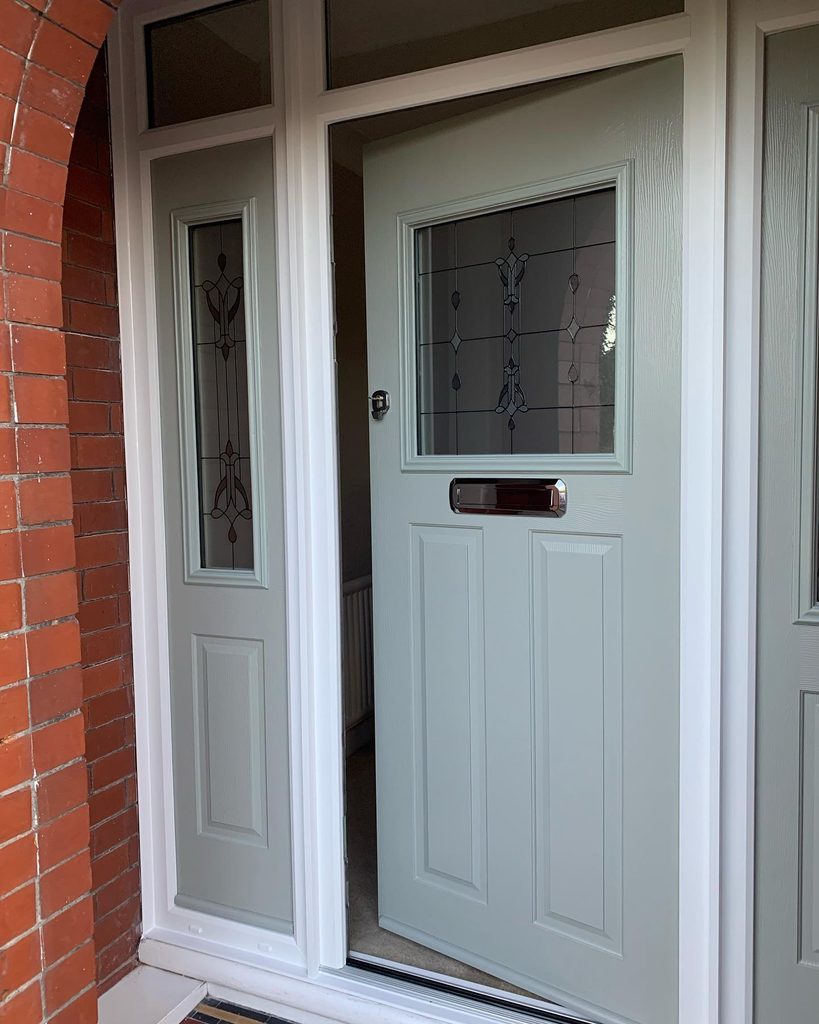
Credit: @gilroy_our_1930s_home
Soft blue is one of the most adaptable 1930s front door Ideas when you want a traditional entrance that feels calm. It suits painted brick, red brick, white trim, and older architectural details without making the doorway feel too formal.
A pale blue gray can be especially useful if the entrance already has several strong textures. Let the door color provide a quiet base, then use brass or chrome hardware for a small contrast. This is also a good direction for traditional front door ideas where comfort matters as much as appearance.
A Wide Traditional Entrance
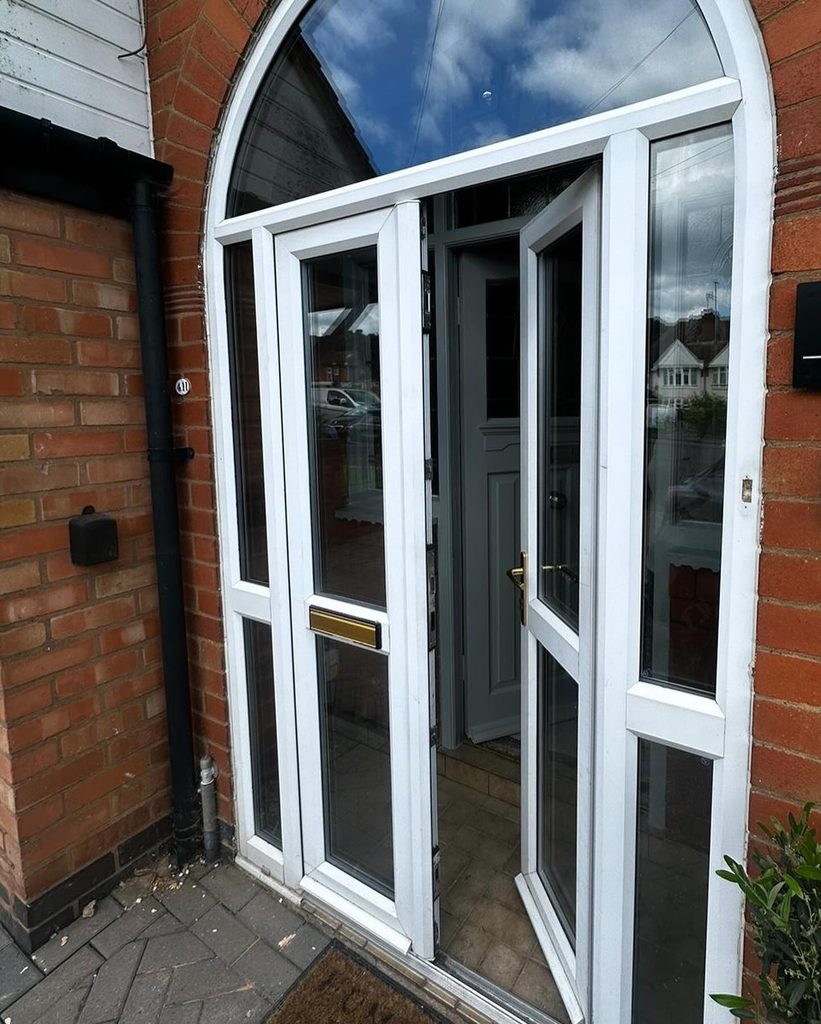
Credit: @home_at_num6
Some of the strongest 1930s front door Ideas focus on the entire entrance instead of the door alone. A wider surround, glass panels, and a generous entry area can make a modest door feel much more established and welcoming.
This approach is useful when the existing doorway has enough width to support extra glazing or side panels. White trim can visually connect the different sections, while a simple central door keeps the arrangement from feeling too busy. A traditional entrance can feel spacious without needing expensive decorative additions.
Deep Green With Stained Glass
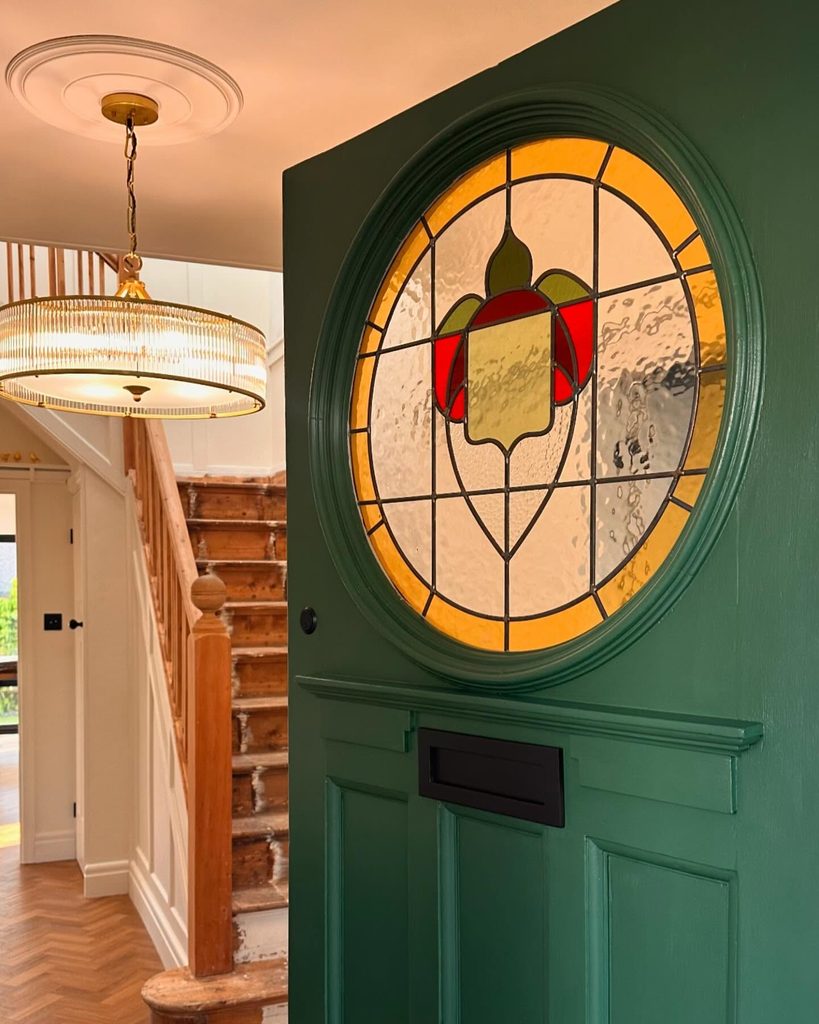
Credit: @letsfix146
Deep green gives 1930s front door Ideas a rich, traditional quality while still feeling comfortable in a modern home. It is a particularly good choice when the entrance already has natural wood, warm flooring, plants, or other earthy details nearby.
Choose a green with enough depth to work with the exterior brickwork. Stained glass becomes especially effective against a dark painted surface because the colored sections have a stronger visual presence. Add simple hardware and avoid filling the doorway with too many accessories.
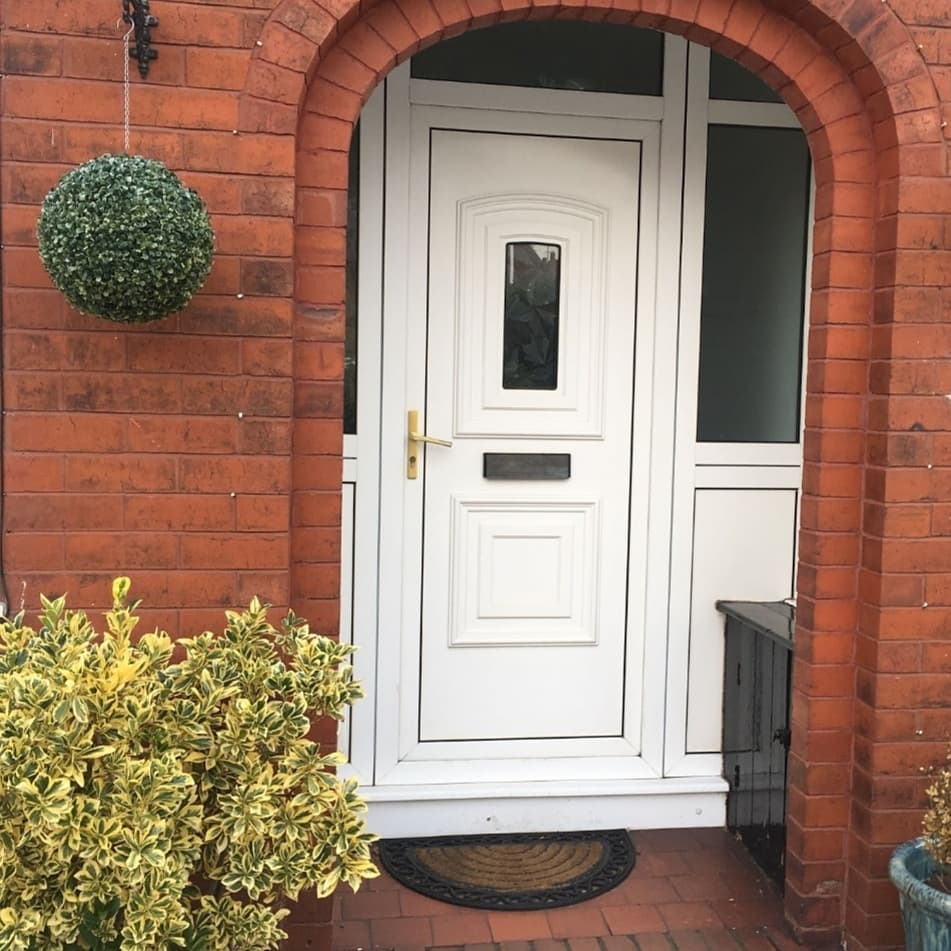
Arched Brick Surround
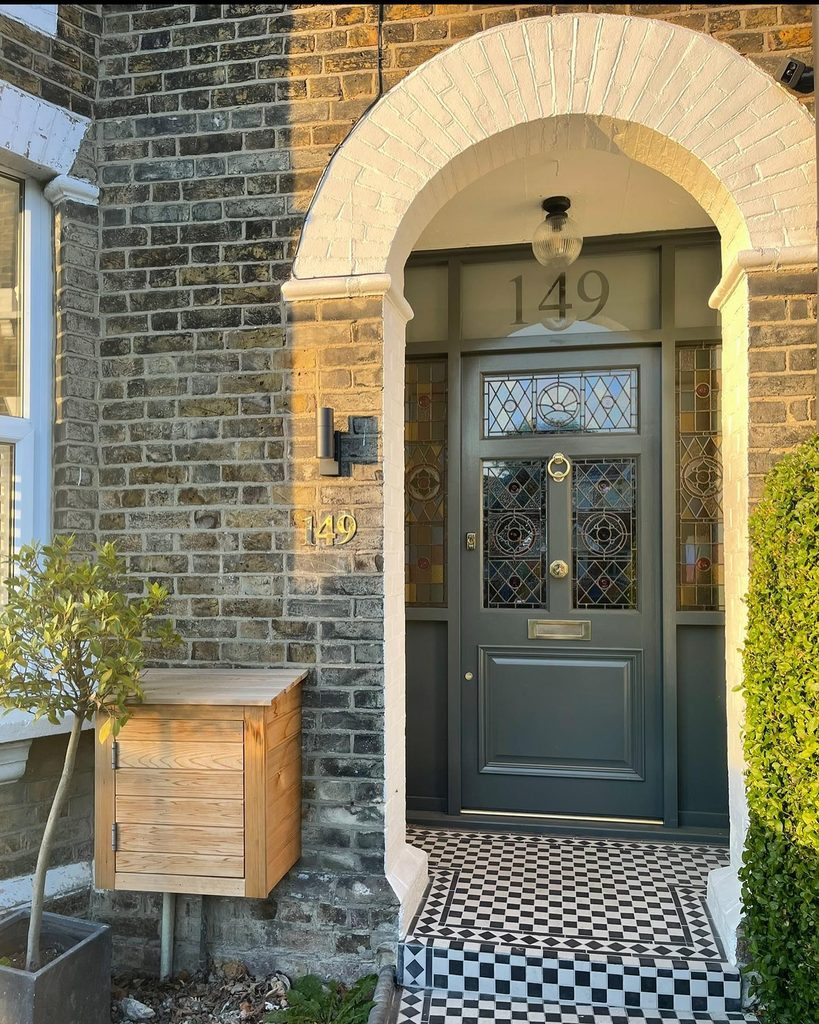
Credit: @notanothervictorian
An arched brick surround can give 1930s front door Ideas a strong architectural foundation. The shape adds interest before any paint, hardware, or planting is introduced, making it a smart choice for homes where the entrance itself is an important part of the exterior.
If your property already has curved brickwork, keep the door design simple enough to let the arch remain important. A charcoal, gray, cream, or muted green door can work beautifully here. Small details such as a traditional lantern or neat brass number can finish the entrance without making it feel crowded.
White Door With Greenery
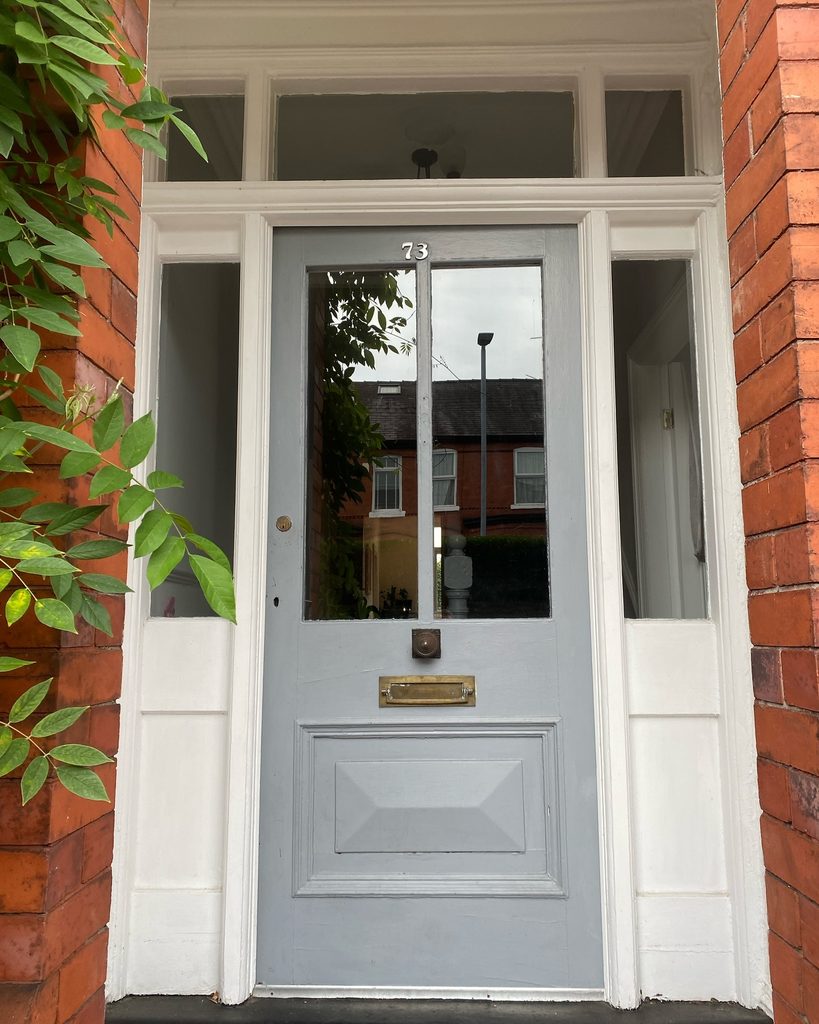
Credit: @periodhomestyle
White remains one of the most useful 1930s front door Ideas because it works with so many different architectural styles. It can make a brick entrance feel lighter and gives plants, hardware, and decorative glass a clear background.
The key is to choose the right white for the surrounding materials. A warmer white can suit red brick and older homes, while a cleaner white can feel crisp against darker brick. Add evergreen planting near the entrance if you want winter front door ideas that still look welcoming when flowers are not in season.
Gray With Classic Glass
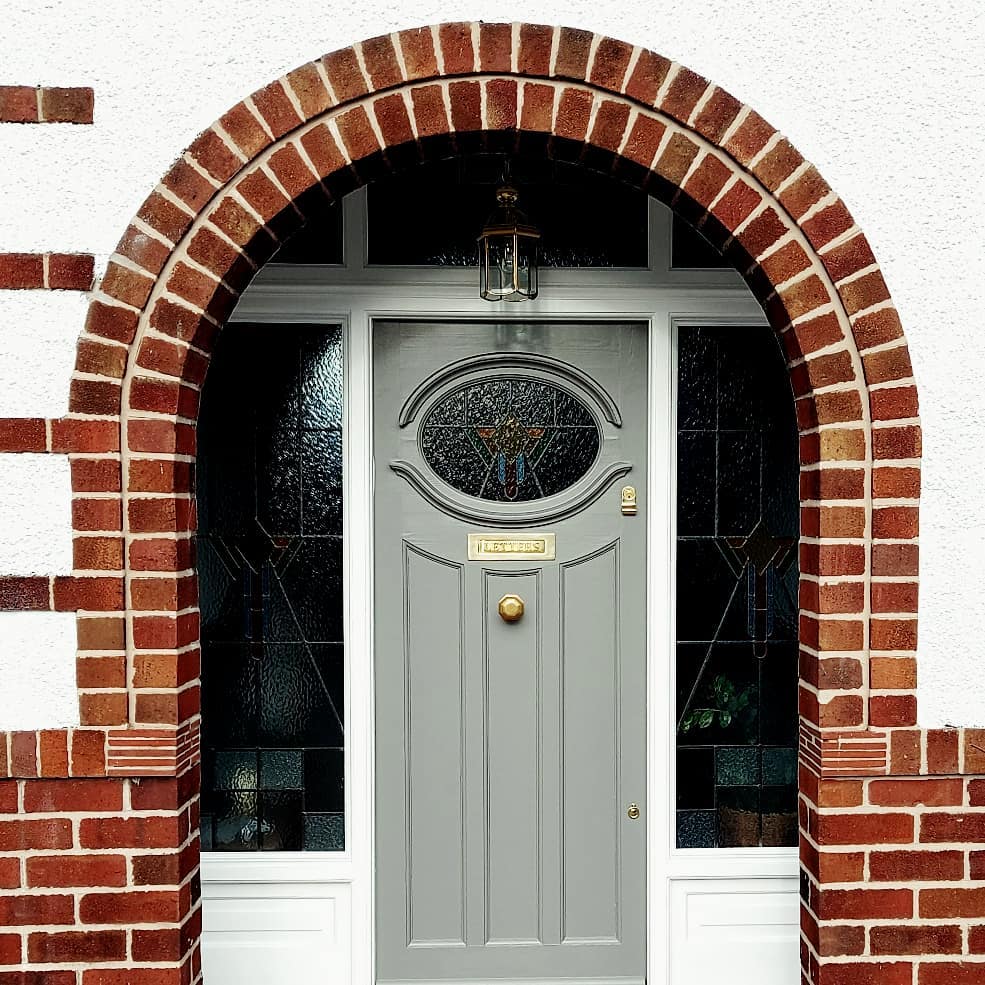
Credit: @the_old_cottages
Gray gives 1930s front door Ideas a quieter direction while keeping the traditional proportions of the entrance. It works particularly well when you want the door to feel established but do not want a strong color to dominate the exterior.
A medium gray can bridge the gap between white trim and darker brick beautifully. Decorative glass adds another layer of character without requiring additional ornament. For a balanced entrance, repeat the gray in a small detail nearby, such as a planter, outdoor light fitting, or house number.
Oval Glass Centerpiece
Credit: @theodores.house
An oval glass panel can make 1930s front door Ideas feel distinctive while keeping the overall design traditional. Rounded glass creates a softer shape against rectangular panels, which gives the doorway a little more visual interest without needing elaborate decoration.
This style suits homes where the front door needs one clear feature. Keep the surrounding paneling neat and choose hardware that supports the shape of the glass. If the glass includes warm colors, repeat one of those tones in the porch light or nearby planting for a connected entrance.
Choosing Paint For A Period Door
Color is one of the easiest ways to make 1930s front door Ideas work with the character of your home. Before choosing a shade, look at the brick, roof, window frames, paving, and neighboring colors because the door should feel connected to those existing materials.
Traditional colors do not have to mean dark colors. Soft blue, muted pink, warm yellow, creamy white, deep green, and classic red can all suit an older property when the shade has enough depth.
Paint finish also changes the character of the doorway. A low sheen finish can feel calm and traditional, while a higher sheen can make strong colors appear brighter and more dramatic.
Test paint directly on a small prepared section of the door before committing. Check it in morning light, afternoon light, and after sunset with your porch lighting switched on.
Making The Entrance Feel Period Appropriate
The strongest 1930s front door Ideas usually respect the proportions of the original building. That does not mean every detail needs to be historically exact, but the size, panel arrangement, glass style, and surrounding trim should feel comfortable together.
If you are replacing a damaged door, study the existing doorway before choosing a completely different design. Look for clues in nearby windows, brick arches, decorative glass, and original trim that can guide the new style.
Stained glass can be a useful way to bring character into a plain door. Geometric patterns, small colored sections, and textured glass can create interest while still allowing privacy near the entrance.
Do not overlook the area immediately outside the door. A clean path, a suitable doormat, one or two well chosen containers, and a simple light can make the entrance feel cared for without adding unnecessary decoration.
For seasonal changes, keep the main structure of the doorway consistent. You can introduce evergreen branches, small trees, lanterns, or Outdoor Winter Planters Ideas during colder months while leaving the door color and hardware unchanged.