
Live Beautifully at Home


Inspiring Outdoor Winter Planters Ideas Refresh Your Entryway
 Rhonda
My Blue Creek Home Founder & Editor
I spent over 12 years in decorative painting and faux finishing, starting with a faux finishing company I co-owned in Mississippi that...
September 24, 2026
9 min read
Leave a comment
Rhonda
Rhonda
My Blue Creek Home Founder & Editor
I spent over 12 years in decorative painting and faux finishing, starting with a faux finishing company I co-owned in Mississippi that...
September 24, 2026
9 min read
Leave a comment
Image Notice. Some images featured in this article may originate from third-party sources and are used for illustrative purposes only. Please review our Image Credits Policy for full attribution information.
Outdoor Winter Planters Ideas can make a porch, doorway, or patio feel welcoming even when much of the garden has gone quiet. The secret is choosing plants and natural materials that keep their shape, color, and texture through colder months. Evergreen branches, berries, pinecones, birch stems, ornamental foliage, and hardy seasonal plants can create a container that feels full without needing constant attention.
Winter containers also give you a chance to work with the architecture around your home. A tall planter can frame a doorway, while a wide pot can soften a stone path or add color beside steps. The best combinations balance height, fullness, and trailing shapes so the arrangement feels natural from every angle.
You do not need a large garden to enjoy Outdoor Winter Planters Ideas. Even one substantial container beside the front door can give your outdoor space a seasonal focal point, especially when the planter repeats colors already found on your home.
Choose containers with drainage holes and raise them slightly from the ground in areas that receive heavy winter rain. The Royal Horticultural Society container guide also recommends frost resistant containers and careful winter watering.
Evergreen Outdoor Winter Planters Ideas
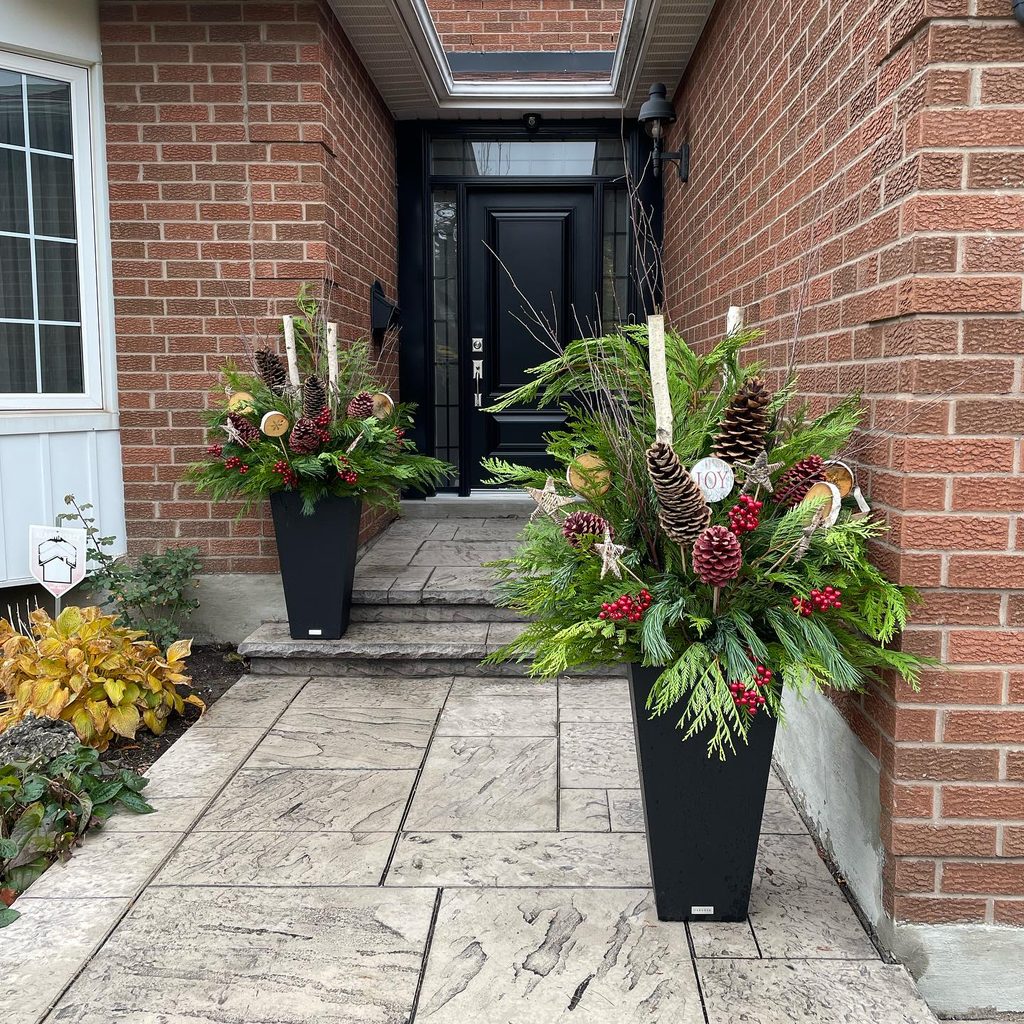
A tall black planter filled with evergreen branches creates a strong entrance display without making the doorway feel crowded. This is one of the easiest Outdoor Winter Planters Ideas to adapt because you can mix cedar, pine, fir, berries, pinecones, and bare branches according to what is available locally. The Royal Horticultural Society winter container guide lists evergreen shrubs and foliage plants as dependable choices for cold season containers. (RHS)
Keep the tallest pieces toward the center and let softer branches spread outward toward the edges. A few pinecones and small red berries can add warmth, while a pair of matching containers can frame the front door beautifully. For a smaller budget, gather fallen branches and pinecones from your own yard and purchase only the evergreen stems.
Birch Branch Outdoor Winter Planters Ideas
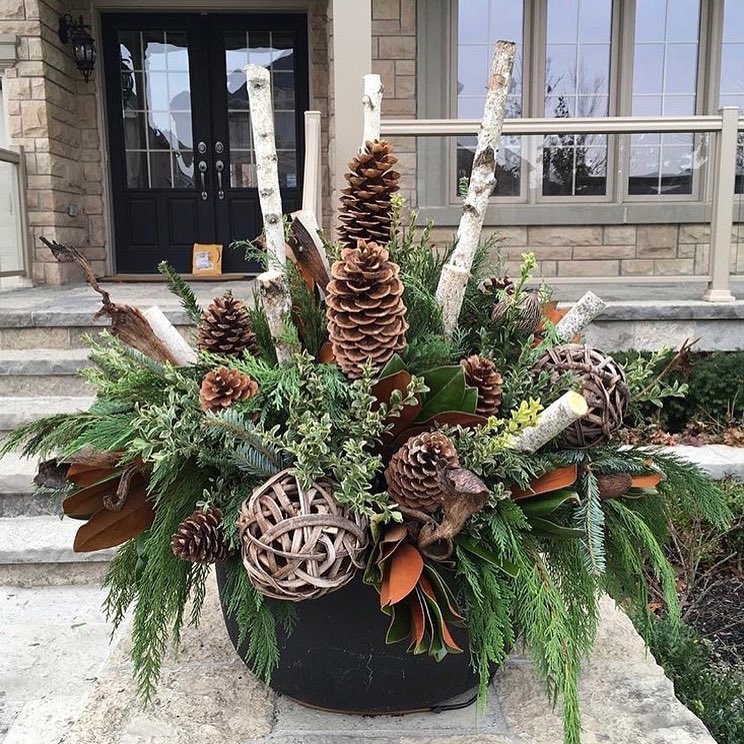
Birch branches give winter containers a light, natural structure that works especially well with evergreen foliage. The pale bark creates contrast against deep green leaves, so the arrangement can feel detailed even when the color palette stays simple. The Homes and Gardens winter container guide recommends using a tall central element with smaller filler plants and trailing material around it. (Homes and Gardens)
Use three or five birch stems in different heights for a relaxed arrangement, then tuck greenery around their bases. You can keep the container simple with pinecones, or add berries for a traditional holiday feel. Birch branches are also useful after the holidays because the neutral color continues to work well through the rest of winter.
Layered Outdoor Winter Planters Ideas
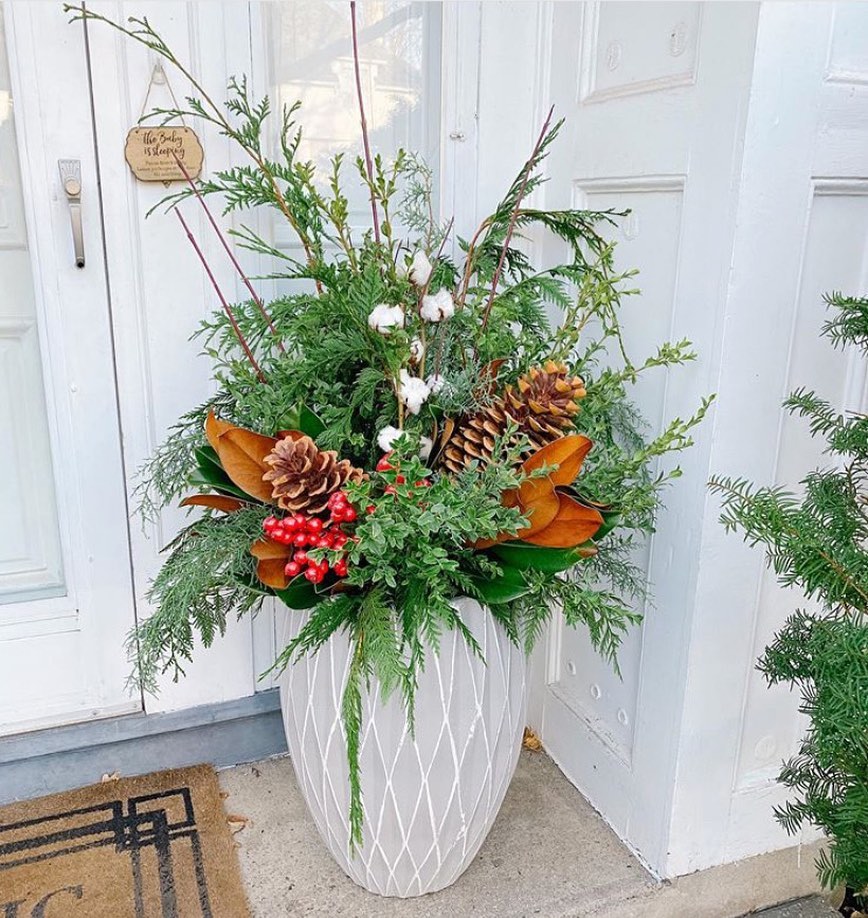
A layered planter gives you several levels of interest in one container. Start with a tall branch or upright evergreen, add fuller foliage around the middle, then let trailing greenery soften the outer edge. This approach follows the basic structure often used for winter containers, with tall, full, and trailing plants working together. The Homes and Gardens planting guide explains this simple arrangement method.
This is one of the most flexible Outdoor Winter Planters Ideas because the same structure works with many plant combinations. Try evergreen branches with magnolia leaves, trailing ivy, pinecones, and a few red berries for a classic look. A large container makes it easier to create generous layers without crowding the roots.
Berry Filled Outdoor Winter Planters Ideas
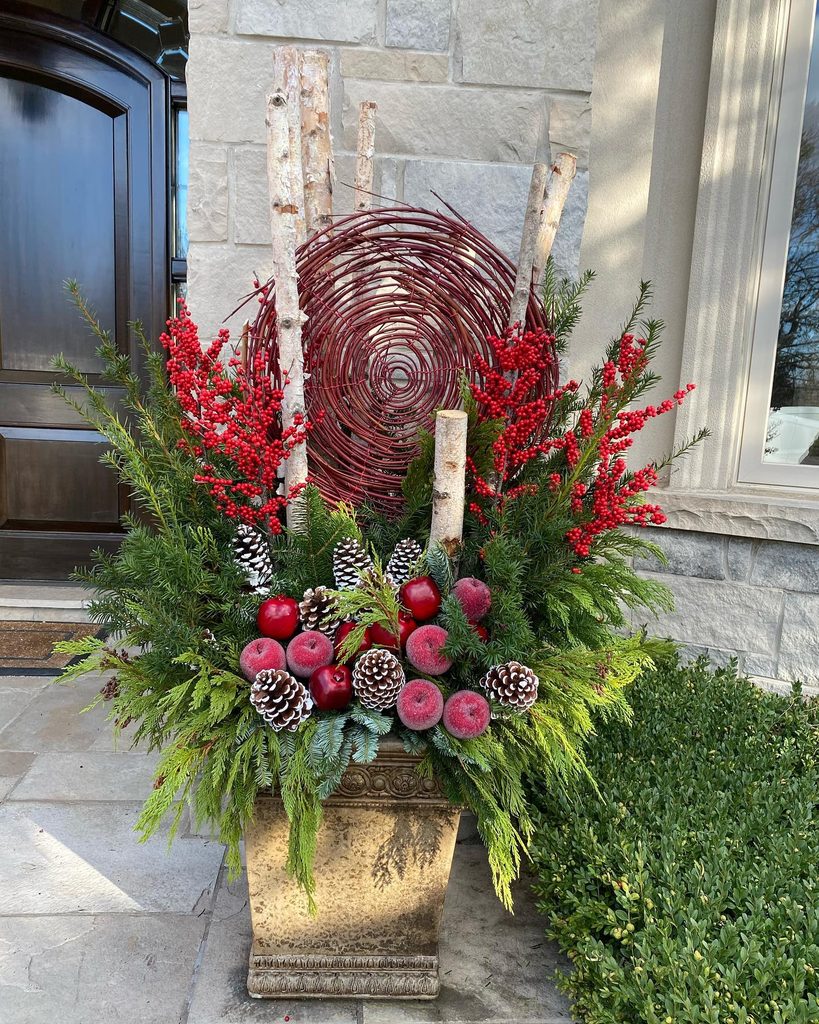
Red berries can bring warmth to a winter container when flowers are scarce. They stand out against evergreen foliage and can be repeated in small groups so the color feels connected across the arrangement. The HGTV guide to winter container gardens notes that winter containers can combine hardy plants, herbs, vegetables, and cool season flowers for continued seasonal interest.
For a classic front door display, place berry branches slightly higher than the surrounding greenery. You can add pinecones, apples, or small natural ornaments for extra texture. If live berries are not easy to find, quality artificial stems can be reused for several seasons and stored with your holiday decorations.
Natural Outdoor Winter Planters Ideas
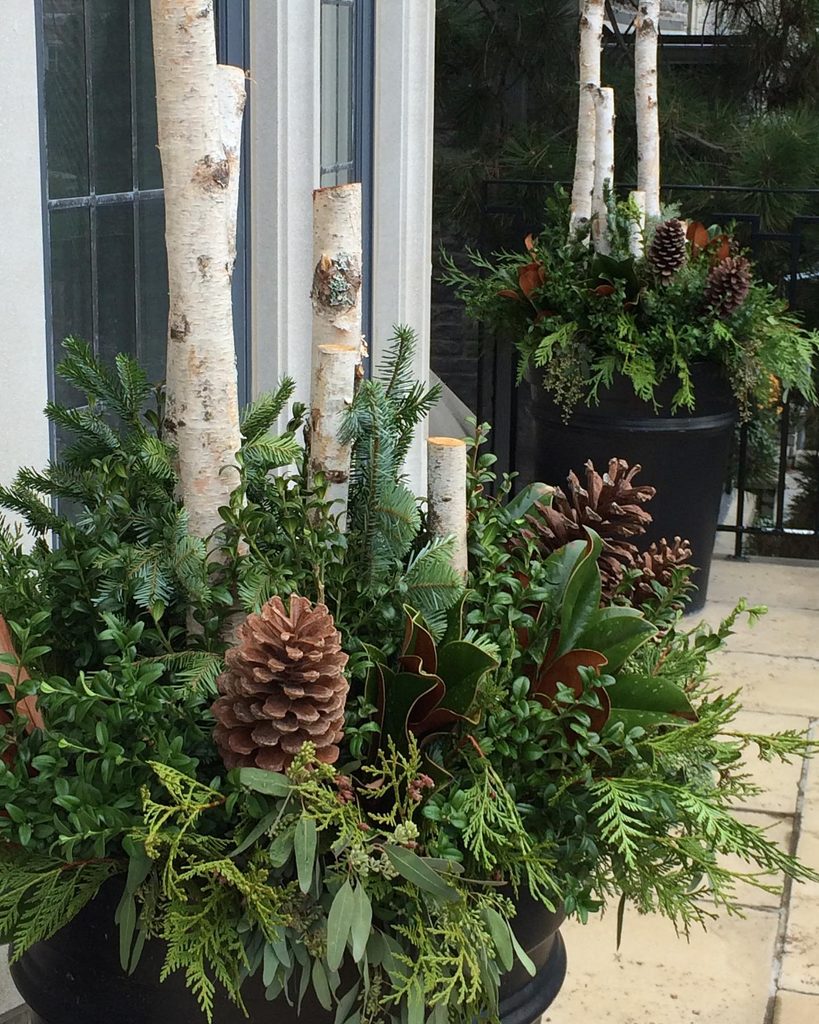
Natural materials can make Outdoor Winter Planters Ideas feel connected to the landscape around your home. Evergreen branches, birch stems, pinecones, magnolia leaves, and small twigs bring different textures into the same container without relying on many colors. The Royal Horticultural Society guide to planting containers explains that grouping containers can also provide some protection during periods of extreme temperatures.
A natural arrangement works especially well beside stone, brick, or wood siding because the materials echo the colors already outside. Keep the palette to green, brown, cream, and soft red for a calm seasonal feel. You can often create this style affordably by combining garden cuttings with a few purchased stems and one reusable planter.
Texture Rich Winter Planters
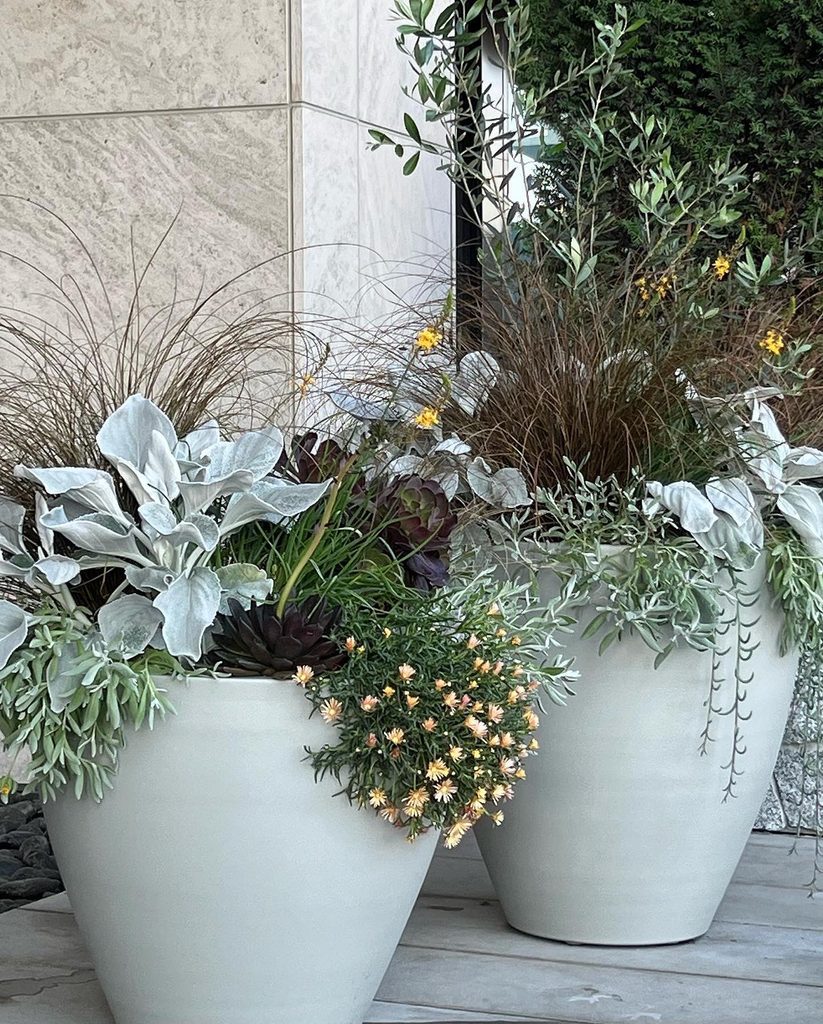
Texture becomes especially important when winter flowers are limited. Curled branches, glossy leaves, soft evergreen needles, and large pinecones can make a single container feel full and interesting without needing many bright colors. The RHS container maintenance guide notes that containers can bring life and color to patios, balconies, and other outdoor spaces throughout the year.
Choose a planter with enough width to support several types of foliage without tipping in strong weather. A sturdy pot also gives tall branches a secure base. If the container feels too heavy visually, add trailing greenery around the rim so the shape becomes softer toward the ground.
Seasonal Color Planters
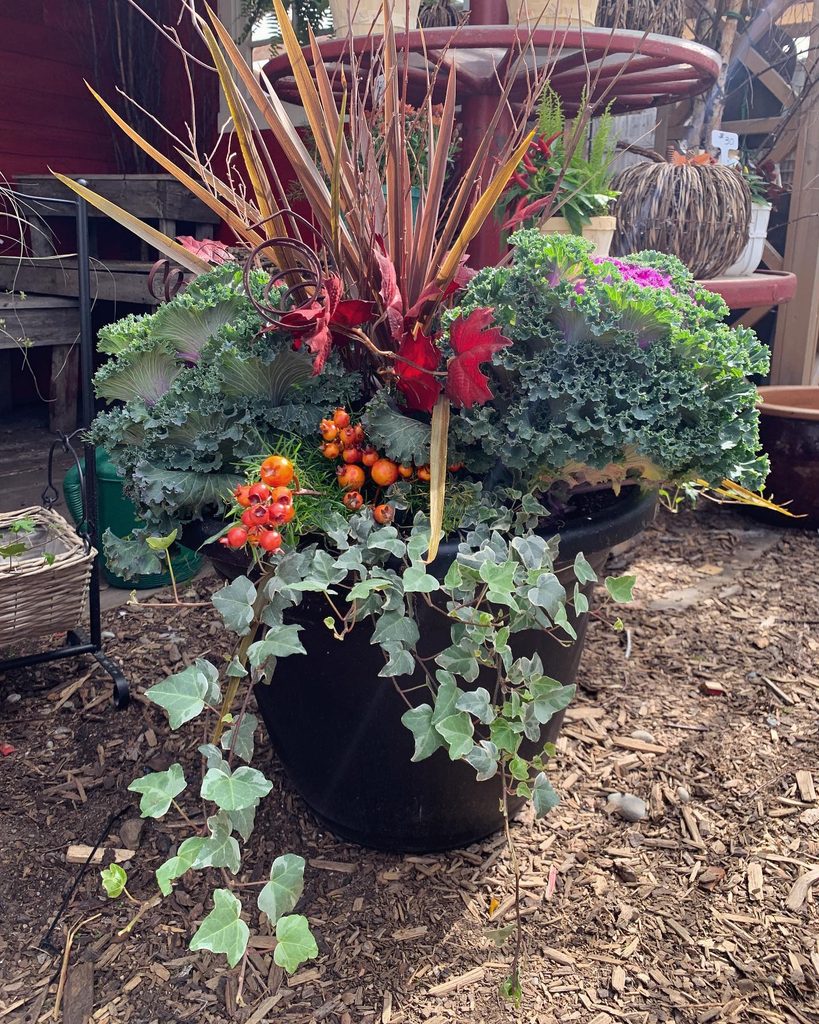
Winter containers do not have to stay completely green. Curly kale, ornamental foliage, pansies, violas, and other cool season plants can introduce soft purple, white, green, and pink tones while keeping the container lively. The HGTV winter container guide lists pansies, violas, kale, parsley, thyme, and other plants that can work well in cooler conditions.
For a container that continues looking good into early spring, choose plants with different leaf shapes and growth habits. Place taller foliage behind compact flowering plants, then allow one trailing plant to fall over the edge. This creates a garden feel while keeping the arrangement easy to maintain.
Mediterranean Container Style
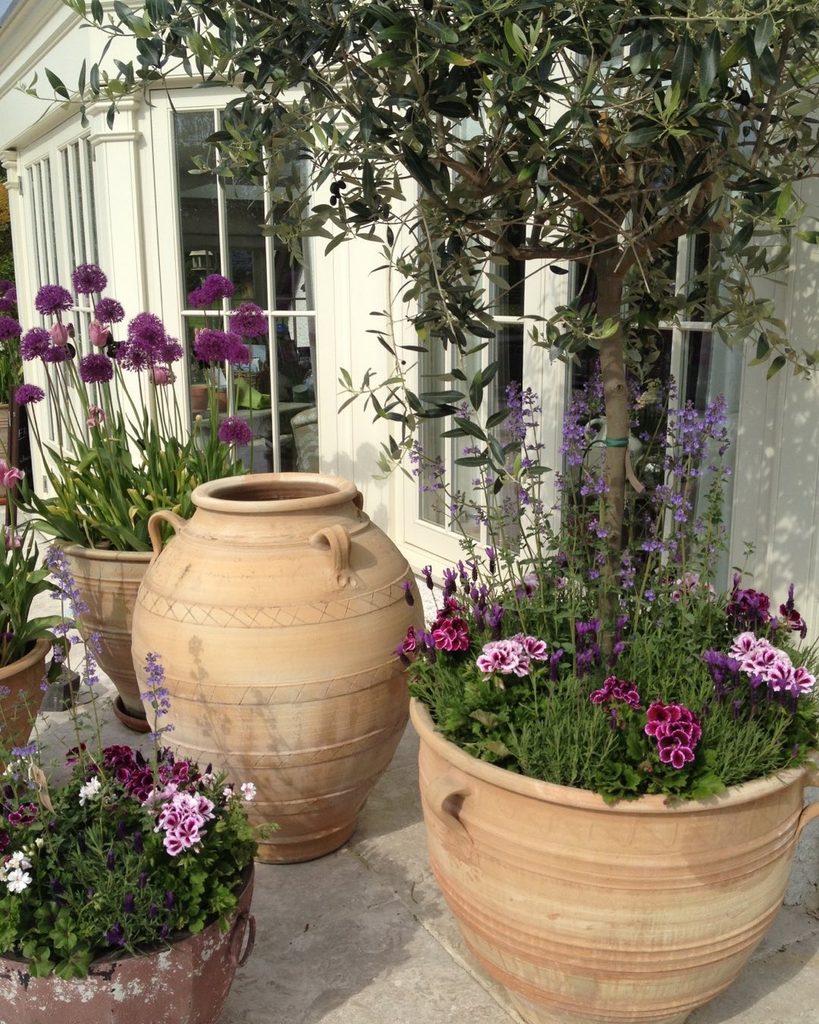
A large terracotta container can give a winter patio a warm garden character, especially when paired with evergreen foliage and plants that keep their structure in cooler weather. This style works particularly well around stone patios, cream walls, and natural wood because the earthy pot color adds warmth without needing many decorations. The RHS guide to growing plants in containers explains that container plants need good drainage and can be more exposed to cold than plants growing in the ground.
Choose hardy plants suited to your local winter conditions, then keep the arrangement simple enough that each plant has room to grow. Rosemary, thyme, sage, evergreen grasses, and other suitable foliage can bring useful texture to a sunny container. If your winters are especially cold, check the hardiness of each plant before leaving it outdoors.
Winter Color and Foliage
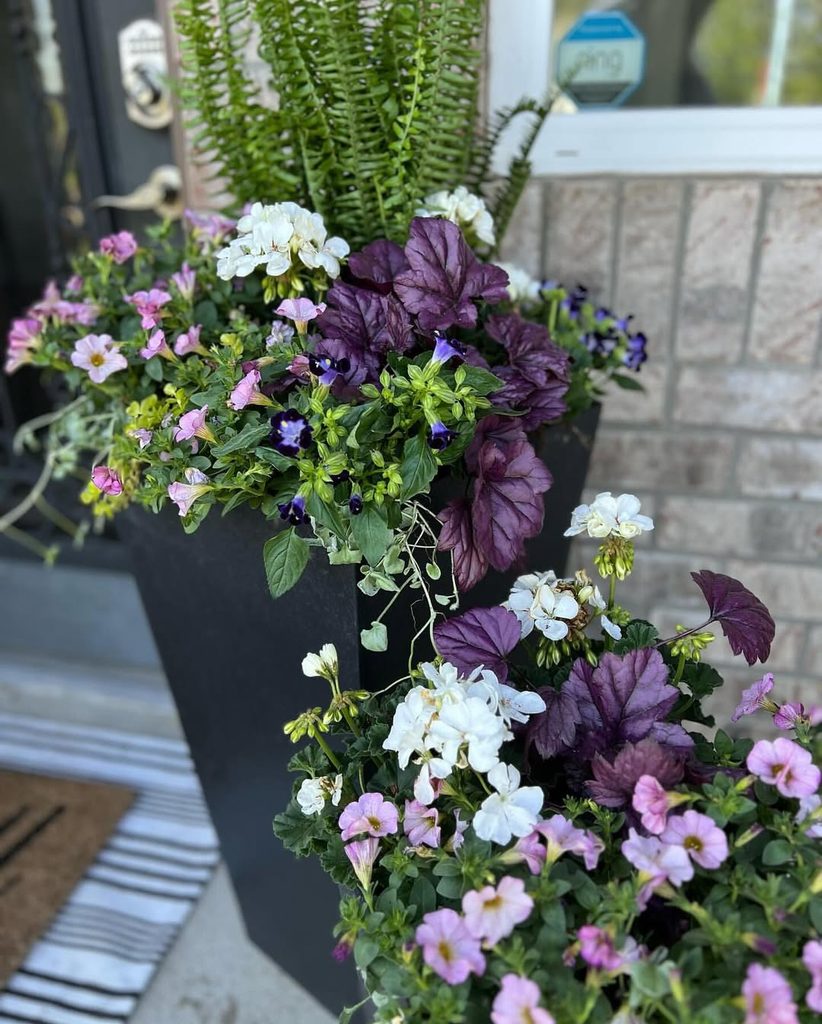
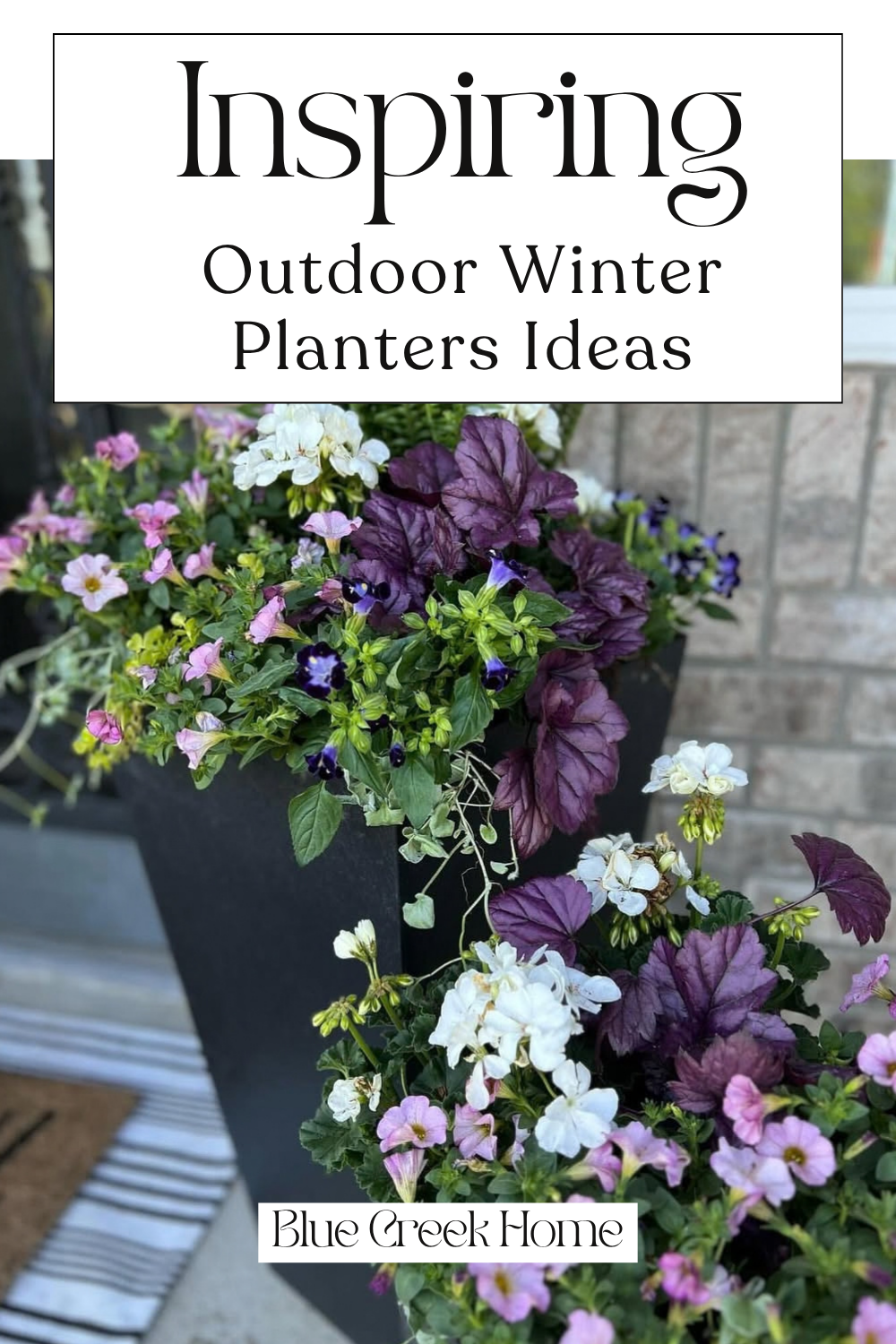
A winter container can feel cheerful without relying on traditional holiday decorations. Purple foliage, pale flowers, trailing greenery, and small blooms create a softer color story that works beyond December. This approach is especially useful when you want Outdoor Winter Planters Ideas that can stay in place through several months.
Use one strong foliage color as the anchor, then add two or three supporting shades. If you already have Garden Flower Bed Ideas with purple, white, silver, or green plants, repeat those colors in your containers so the garden and entrance feel connected. The Homes and Gardens winter garden guide recommends positioning winter containers where their color and foliage can be enjoyed from the home and garden paths.
Choosing Plants For Outdoor Winter Planters Ideas
Winter containers need a little more planning because roots are exposed to cold air on every side of the pot. The right plants can make Outdoor Winter Planters Ideas easier to care for, while the wrong plants may struggle even when the container looks healthy at first.
Evergreen shrubs, hardy grasses, heuchera, ivy, pansies, violas, ornamental kale, and suitable bulbs can provide different kinds of seasonal interest. The RHS winter selection guide includes evergreens, hardy ferns, grasses, herbs, bulbs, and winter bedding among its container choices.
Think about your local winter conditions before buying anything. A plant that handles mild winters may need extra protection in a colder climate, while a tender plant may need to move indoors or into a sheltered space when temperatures fall.
The container itself matters too. Frost resistant materials, good drainage, and a stable base can help protect both the pot and the roots. The RHS container growing guide explains that container roots are more exposed to cold and that winter waterlogging can cause problems.
Caring For Outdoor Winter Planters Ideas
Watering winter containers requires some attention because cold weather does not always mean the soil stays wet. Check the soil regularly and water when needed, especially during mild or dry spells. The RHS winter container advice recommends checking compost because containers can dry during mild periods even in winter.
Good drainage is just as important as watering. Keep drainage holes clear and raise containers slightly with pot feet or another stable support so excess water can escape. This also helps reduce the chance of pots sitting in freezing water.
If a hard freeze is expected, protect vulnerable containers by moving them to a sheltered location when possible. Large containers are often easier to manage because they provide more root space and tend to be more stable in wind.
For very exposed locations, place containers near a wall or grouped with other pots for some shelter. The RHS maintenance guide specifically recommends grouping containers near a house wall during winter to help protect roots from cold.